 EN
EN

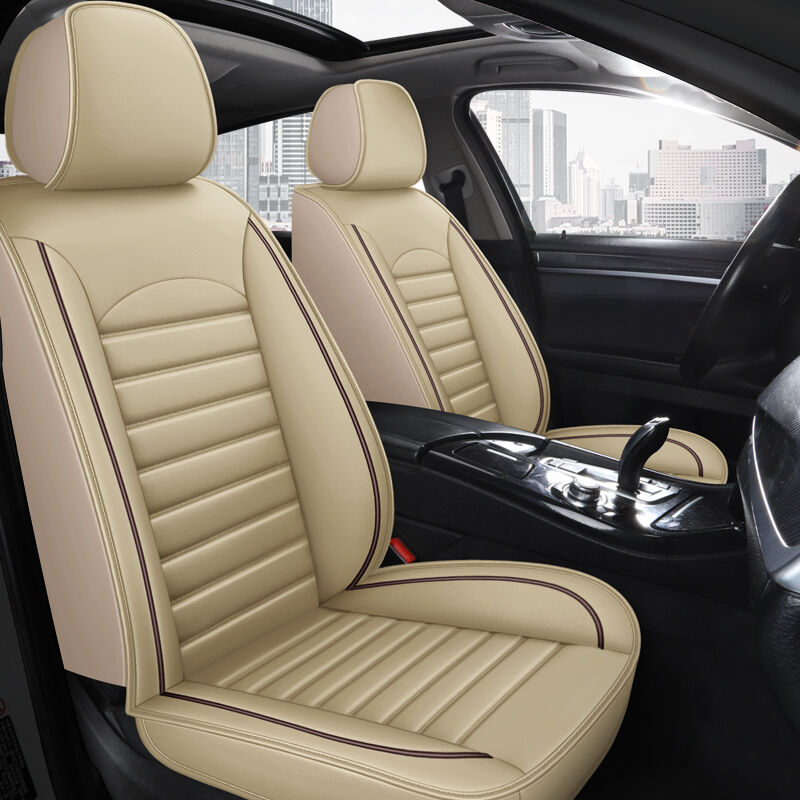
The automotive accessories market has been shifting rapidly, and one of the most visible changes is the surge in demand for custom seat covers for cars. What was once considered a niche purchase for enthusiasts has evolved into a mainstream buying decision, driven by a combination of lifestyle shifts, rising vehicle ownership, and an increasing desire for personalized driving experiences. Understanding why this market is growing requires a closer look at the forces reshaping how consumers and businesses think about vehicle interiors.
From ride-share operators protecting fleet assets to everyday drivers expressing their personal style, the reasons people are investing in custom seat covers for cars are more varied and commercially significant than ever before. This article explores the key market forces, consumer behavior shifts, and industry dynamics that explain why this product category is experiencing consistent and accelerating growth worldwide.
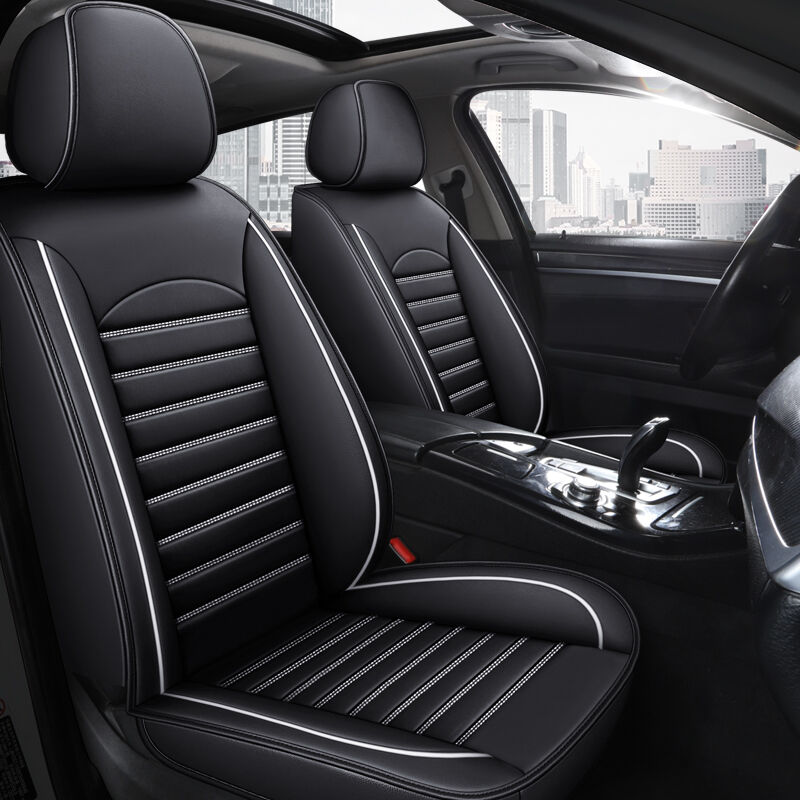
The Rise of Vehicle Personalization Culture
Personalization as a Consumer Priority
Over the past decade, personalization has moved from a luxury preference to a mass-market expectation. Consumers increasingly want products that reflect their individual tastes, and the interior of a vehicle is no exception. Custom seat covers for cars offer an accessible and reversible way for drivers to transform their cabin environment without committing to expensive factory upgrades or permanent modifications.
This desire for self-expression is especially strong among younger demographics, including millennials and Generation Z buyers, who prioritize uniqueness and identity in every purchasing decision. For these consumers, a vehicle interior that matches their aesthetic is not a luxury — it is an expectation. Custom seat covers for cars directly serve this demand by offering a wide range of materials, colors, patterns, and fitments.
The psychological appeal of personalization also drives repeat purchasing. As trends shift and personal styles evolve, buyers return to purchase new covers, creating a sustainable revenue cycle for manufacturers and retailers in the custom seat covers for cars category.
Social Media and Visual Culture Fueling Demand
Social media platforms have amplified the personalization trend significantly. When drivers share photos and videos of their customized vehicle interiors, it creates organic exposure for custom seat covers for cars among audiences who had not previously considered such a purchase. This kind of peer influence is one of the most powerful growth accelerators in the accessories market today.
Content creators and automotive influencers routinely showcase interior upgrades, and custom seat covers consistently appear in top-performing posts about affordable vehicle transformations. This visibility has introduced the concept to millions of new potential buyers across global markets, fueling market expansion beyond traditional automotive enthusiast communities.
The visual nature of seat cover upgrades makes them particularly well suited for social sharing, since the transformation is immediately noticeable and photogenic. This characteristic gives custom seat covers for cars a built-in marketing advantage that few other accessories categories can match.
Practical and Protective Drivers Behind Market Growth
Protecting Long-Term Vehicle Value
Beyond aesthetics, the practical case for custom seat covers for cars is compelling. Vehicle seats are among the most frequently used and most vulnerable surfaces in any car. Daily wear from clothing, sun exposure, pet hair, food spills, and general friction degrades original upholstery over time, reducing the resale value of the vehicle significantly.
Custom seat covers for cars act as a protective layer that preserves the condition of factory-installed upholstery. For car owners who intend to resell or trade in their vehicle, maintaining pristine seat condition can represent a meaningful financial return. This investment logic resonates particularly strongly in markets where used vehicle prices are high and buyers scrutinize interior condition closely.
The protective value proposition is not limited to private owners. Fleet operators, rental companies, and ride-share drivers face accelerated seat wear due to high usage volumes, making custom seat covers for cars an operational necessity rather than a lifestyle choice. This commercial segment is a significant and growing contributor to overall market demand.
Comfort and Seasonal Adaptability
Modern custom seat covers for cars are engineered not just for appearance but also for functional comfort. Materials such as full leather, breathable mesh, memory foam padding, and thermally regulated fabrics address discomfort caused by extreme temperature conditions in both hot and cold climates. This functional dimension makes the product appealing to a broader audience across diverse geographies.
In markets with harsh summers, breathable and heat-dissipating covers are in high demand. In colder regions, insulated and soft-touch materials are preferred. The ability of custom seat covers for cars to serve as seasonal comfort solutions means that demand is distributed throughout the year rather than concentrated in a single buying period.
The combination of aesthetic appeal and practical comfort is a powerful selling proposition. When a product delivers on both dimensions simultaneously, adoption rates accelerate, and that is precisely what custom seat covers for cars continue to achieve in markets worldwide.
E-Commerce and Supply Chain Transformation
Online Retail Enabling Mass Market Access
The explosive growth of e-commerce platforms has been a critical enabler of the custom seat covers for cars market. Previously, buyers were limited to local auto parts stores with restricted inventory. Today, consumers can browse thousands of options across materials, fitments, and price points from any device, compare detailed specifications, and receive purchases within days.
This accessibility has democratized the market. Buyers in regions without specialized automotive retail infrastructure now have full access to premium custom seat covers for cars through online channels. The result is a dramatically expanded addressable market that continues to grow as internet penetration and mobile shopping adoption increase in emerging economies.
Online retail also enables manufacturers and distributors to collect rich buyer data, including fitment preferences, material choices, and regional demand patterns. This data-driven feedback loop allows the industry to refine product offerings and respond to market signals far more quickly than traditional retail channels permitted.
Factory-Direct and B2B Sourcing Models Gaining Momentum
Another key market driver is the growth of factory-direct sourcing, which allows importers, distributors, and online sellers to access custom seat covers for cars at competitive manufacturing costs. This model has made it possible for businesses of all sizes to enter the market as resellers or private-label brands, further increasing overall market volume and competition-driven innovation.
B2B buyers sourcing custom seat covers for cars at scale benefit from customization options that extend beyond aesthetics, including branding, packaging, and exclusive fitment programs for specific vehicle models. This flexibility has made factory-direct sourcing particularly attractive to automotive retail chains, subscription vehicle programs, and fleet management companies.
The efficiency of modern supply chains means that custom seat covers for cars can be manufactured, quality-checked, and shipped globally within lead times that were unimaginable a decade ago. Speed to market and cost efficiency are now viable together, which is a combination that accelerates category growth by attracting new business entrants and expanding existing operations.
Diverse Applications Expanding the Target Market
Consumer Segments Beyond Private Vehicle Owners
The market for custom seat covers for cars is no longer driven solely by individual car owners seeking aesthetic upgrades. A diverse ecosystem of buyers now contributes to sustained demand growth. Commercial vehicle operators, including taxi fleets, corporate transport services, and ride-share networks, represent a large and growing segment that purchases custom seat covers for cars in high volumes.
Pet owners are another significant and rapidly growing buyer group. Seat covers designed to resist pet hair, moisture, and odor have become a must-have accessory for the substantial portion of vehicle owners who travel regularly with animals. This niche alone has driven meaningful product innovation, including waterproof backing, non-slip bases, and reinforced stitching.
Parents with young children represent yet another high-value segment. Spill-resistant and easy-to-clean custom seat covers for cars address a genuine daily need for families, converting an aesthetic product into a functional household necessity. The broader the range of segments the product serves, the stronger and more resilient market growth becomes.
Global Vehicle Population Supporting Long-Term Growth
With the global vehicle population continuing to expand, particularly in high-growth regions such as Southeast Asia, South Asia, and Latin America, the addressable market for custom seat covers for cars grows correspondingly. More vehicles in operation translates directly into more potential buyers at every income level and vehicle category.
The increasing diversity of vehicle types also creates new product opportunities. SUVs, crossovers, electric vehicles, and commercial vans each present distinct interior geometry and material requirements. Custom seat covers for cars are evolving to accommodate this diversity, with fitment databases and vehicle-specific design becoming competitive differentiators in the market.
As vehicle ownership rates in emerging markets continue to rise and consumers in those markets become more aware of protective accessory options, the global demand for custom seat covers for cars is expected to maintain its upward trajectory for the foreseeable future.
FAQ
What makes custom seat covers for cars different from universal-fit seat covers?
Custom seat covers for cars are designed and manufactured to match the exact dimensions, contours, and features of specific vehicle models and seat designs. This ensures a precise fit that does not shift, bunch, or interfere with seat controls or safety features such as side airbags. Universal-fit covers use elastic and generic measurements that often result in a loose or imprecise appearance and reduced functionality. The superior fit of custom options is a primary reason buyers are willing to pay a premium for them.
Why are businesses increasingly interested in bulk sourcing of custom seat covers for cars?
Businesses such as fleet operators, car rental companies, and ride-share networks experience high seat wear due to continuous usage. Custom seat covers for cars allow these businesses to protect their vehicle assets, maintain a consistent interior standard across their fleet, and reduce the cost of reupholstering or replacing original seats. Factory-direct bulk sourcing further reduces the per-unit cost, making it a financially attractive protective solution at commercial scale.
How does material choice affect the performance of custom seat covers for cars?
Material selection is one of the most important decisions when sourcing custom seat covers for cars. Full leather offers durability, ease of cleaning, and a premium appearance, but may retain heat in warm climates. Breathable mesh materials are preferred for hot weather comfort. Neoprene and waterproof fabrics are ideal for outdoor enthusiasts and pet owners. Memory foam padding adds comfort for long-distance drivers. Each material profile serves a distinct buyer need, and understanding these differences helps both consumers and B2B buyers select the most appropriate product for their specific application.
What is driving the growth of custom seat covers for cars in online retail channels?
Online retail growth in this category is driven by several converging factors. Consumers benefit from access to a far wider selection than any physical store can offer, along with vehicle-specific fitment filters, customer reviews, and competitive pricing. For sellers, online platforms allow efficient inventory management, global reach, and direct-to-consumer margins. The visual nature of the product is well suited to online content marketing, enabling sellers to drive discovery and conversion through detailed imagery, installation videos, and lifestyle content. These combined dynamics have made e-commerce the dominant and fastest-growing channel for custom seat covers for cars globally.
Table of Contents
- The Rise of Vehicle Personalization Culture
- Practical and Protective Drivers Behind Market Growth
- E-Commerce and Supply Chain Transformation
- Diverse Applications Expanding the Target Market
-
FAQ
- What makes custom seat covers for cars different from universal-fit seat covers?
- Why are businesses increasingly interested in bulk sourcing of custom seat covers for cars?
- How does material choice affect the performance of custom seat covers for cars?
- What is driving the growth of custom seat covers for cars in online retail channels?