 EN
EN

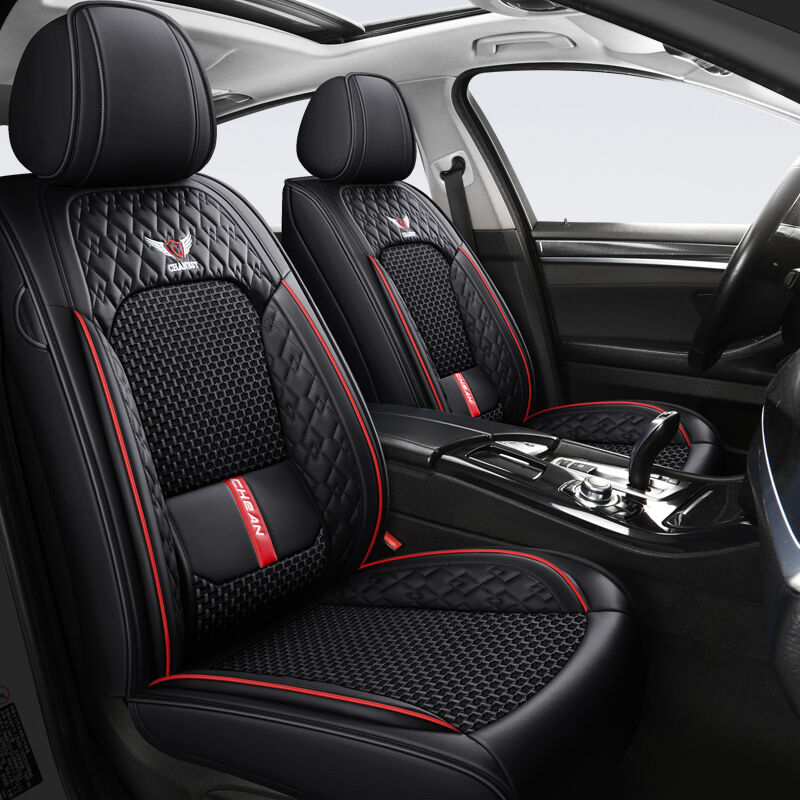
Sourcing seat covers for cars in bulk is a significant procurement decision that affects product quality, delivery reliability, and long-term business profitability. Whether you are an automotive accessories distributor, an e-commerce seller, or a fleet management company, the factory you choose will determine whether your supply chain runs smoothly or becomes a source of costly disruptions. With countless manufacturers operating across different regions, identifying the right production partner requires more than just comparing price lists.
This guide walks you through the essential evaluation framework for selecting a factory that can consistently deliver high-quality seat covers for cars at scale. From assessing production capabilities and quality control systems to understanding minimum order requirements and communication standards, every factor in this article is designed to help B2B buyers make informed, confident decisions when placing bulk orders.
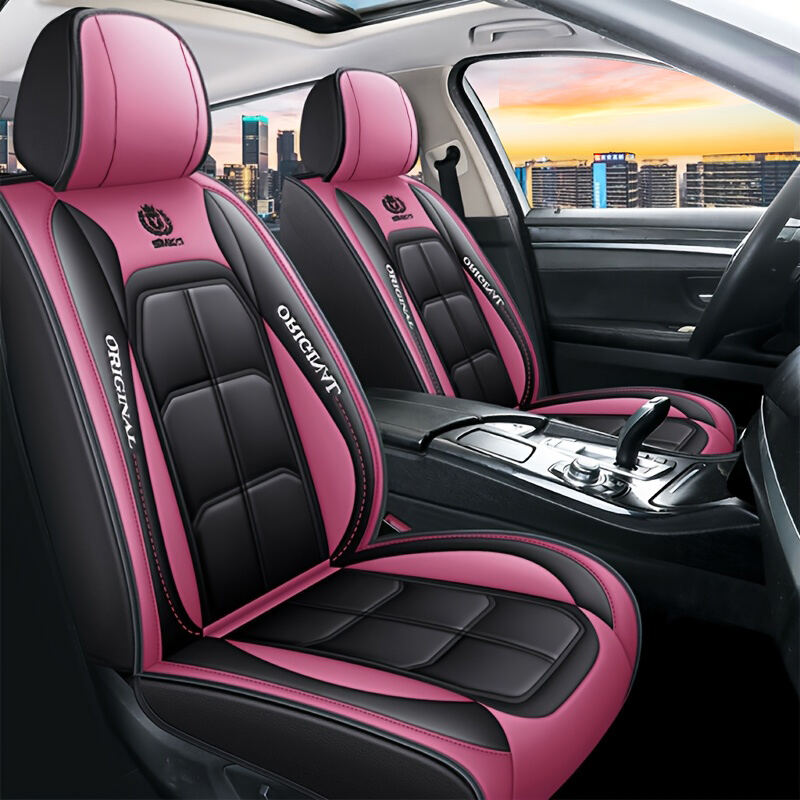
Understanding What Bulk Procurement of Seat Covers for Cars Actually Demands
The Scale Factor and Why It Changes Everything
Ordering seat covers for cars in bulk is fundamentally different from retail purchasing. When you commit to large volumes, production lead times, raw material sourcing, and warehouse logistics all become interdependent variables that a factory must manage simultaneously. A supplier that handles small orders efficiently may not have the infrastructure to scale without quality degradation.
Before approaching any manufacturer, you need to define your volume expectations clearly. This includes not only the total quantity per order but also the frequency of reorders, seasonal demand spikes, and any product variation requirements such as different vehicle models or material grades. Factories that specialize in bulk seat covers for cars are equipped with dedicated production lines, pre-sourced fabric inventories, and workforce scheduling systems built around high-volume output.
Understanding this scale dynamic prevents you from overestimating a factory's capability based on their catalog alone. A well-presented product page does not always reflect real production depth. Always verify output capacity independently before committing.
Defining Your Product Specifications Before Evaluating Factories
Clarity on product specifications is a prerequisite for any meaningful factory evaluation. Seat covers for cars vary widely in terms of material composition, fitment type, stitching standards, padding thickness, and compatibility with features like airbag side panels or heated seat systems. Factories are optimized for specific product profiles, and approaching them without defined specs leads to misaligned quotes and prototypes.
Prepare a detailed product brief that includes material preferences such as full leather, faux leather, or fabric blends, target vehicle segments, universal versus custom fit requirements, and any regulatory or certification requirements for your target market. When factories receive precise specifications, they can provide accurate pricing, realistic timelines, and relevant sample quality that allows for a genuine comparison.
This preparation also signals to the factory that you are a serious buyer, which often results in better response quality, more transparent capacity disclosures, and stronger negotiating positions on pricing for seat covers for cars at volume.
Key Production Capabilities to Evaluate in a Factory
Equipment Quality and Line Capacity
The physical infrastructure of a factory is a direct indicator of the quality ceiling for seat covers for cars it can consistently produce. Automated cutting machines reduce material waste and ensure dimensional consistency across thousands of units. Industrial-grade sewing equipment with programmable stitch patterns is essential for maintaining seam strength and aesthetic uniformity at scale.
During factory assessments, either in person or through verified third-party audits, look for evidence of organized production lines with clearly separated stages for cutting, sewing, finishing, and packaging. Factories with defined workflow stations tend to produce more consistent seat covers for cars because each step is performed by workers specialized in that task rather than generalists managing multiple functions simultaneously.
Ask about monthly production capacity in units and request documentation or production records to verify the claim. A credible factory will have no hesitation in sharing this data with serious bulk buyers.
Material Sourcing and Supply Chain Stability
The quality of seat covers for cars is inseparable from the quality of the raw materials used. Factories that source from stable, vetted material suppliers are far less likely to experience mid-production quality shifts caused by inconsistent fabric batches or sudden input price volatility. When evaluating a factory, ask specifically where their primary leather, foam, and fabric inputs come from and whether they maintain safety stock.
Factories with vertically integrated material sourcing or long-standing supplier relationships offer a meaningful advantage for bulk buyers. They can better control color consistency, texture uniformity, and durometer ratings for padding layers across large production runs. This matters enormously when your customers expect every unit in a shipment of seat covers for cars to look and feel identical.
Material traceability also becomes relevant if you sell in markets with product compliance requirements. Being able to document where every input material came from is increasingly expected by large retail platforms and corporate fleet procurement teams.
Quality Control Systems That Protect Bulk Orders
In-Process Quality Checks Versus End-of-Line Inspection
There is a meaningful difference between factories that only inspect finished seat covers for cars before shipment and those that integrate quality checkpoints throughout the production process. End-of-line inspection catches defects after they have already been produced, which means defective materials and labor costs are already sunk before the problem is identified. In-process quality control systems catch issues earlier, reducing waste and improving overall batch consistency.
Ask any prospective factory to describe their quality control workflow in detail. Strong answers will reference specific inspection stages such as incoming material inspection, semi-finished product checks after the cutting stage, in-line sewing quality monitoring, and final inspection protocols before packaging. Factories that can articulate this clearly are operating with genuine quality management discipline rather than informal oversight.
For bulk buyers of seat covers for cars, understanding how defects are handled also matters. A factory with a defined rework and rejection process demonstrates that they treat quality as a system rather than a final-step checkbox.
Certifications and Audit Readiness
Third-party certifications are an important signal of a factory's commitment to quality standards, though they should not be the only criterion for selection. ISO 9001 certification, for example, indicates that a factory has documented and audited its quality management system to an internationally recognized standard. For seat covers for cars destined for regulated markets, material safety certifications such as REACH compliance or Oeko-Tex documentation may also be relevant.
Equally important is a factory's willingness to undergo third-party audits on your behalf. Factories that welcome independent inspection are confident in their operations and have nothing to conceal. Those that resist or delay audit requests often have operational gaps they prefer buyers not to discover before an order is placed.
When sourcing seat covers for cars at scale, building audit access into your initial contract terms is a standard B2B practice that protects your quality standards and gives you leverage if issues arise post-delivery.
Evaluating Commercial Terms and Factory Reliability
Minimum Order Quantities and Pricing Structures
Every factory that produces seat covers for cars in bulk operates within a minimum order quantity framework that reflects their production economics. Understanding how MOQs are structured helps you identify which factories are genuinely suited to your volume tier. A factory with very high MOQs relative to your order size may deprioritize your production runs in favor of larger clients, leading to delayed timelines and inconsistent service.
Pricing for seat covers for cars at the factory level is typically tiered, with meaningful unit cost reductions at higher volume thresholds. When comparing quotes, go beyond the per-unit price and evaluate the total landed cost, which includes packaging, export documentation, freight, and any compliance testing fees. A marginally cheaper unit price from a factory with unreliable lead times can easily become more expensive than a slightly higher-priced supplier who ships on schedule every time.
Negotiate payment terms carefully. Reputable factories will typically request a deposit of thirty to fifty percent upfront with the balance due before shipment, which is a standard and reasonable structure. Factories demanding full prepayment without established track records or verified references should be approached with caution.
Communication Standards and Responsiveness
In bulk procurement of seat covers for cars, communication quality is a proxy for operational reliability. A factory that responds promptly, answers questions with specificity, and proactively flags potential issues during the order process is one whose internal coordination is functioning well. Slow, vague, or evasive communication before an order is placed rarely improves once production begins.
Evaluate how factories handle your initial inquiry. Do they provide detailed product specifications, clear capacity information, and transparent lead time estimates? Do they ask clarifying questions that demonstrate product knowledge and production planning awareness? These behavioral signals reveal how the relationship will function under actual production pressure.
For ongoing bulk supply relationships, factories that assign a dedicated account or production contact to your account significantly reduce coordination friction. This single point of contact becomes familiar with your product standards and order patterns, enabling faster response to changes and more reliable execution on repeat orders of seat covers for cars.
Sampling and Trial Orders as Risk Management Tools
The Role of Prototypes and Pre-Production Samples
Before committing to a full bulk order of seat covers for cars, requesting and rigorously evaluating pre-production samples is non-negotiable. A sample represents the factory's interpretation of your specifications and reveals both their technical capability and their attention to detail. Evaluating samples against your spec sheet, rather than against general expectations, yields the most actionable feedback.
Check samples for stitching consistency, material feel and finish, dimensional accuracy against target vehicle fitment, and durability under stress testing if your application requires it. Note how quickly the factory turnaround the sample and whether the sample matches what was discussed, as both speed and accuracy are important indicators of production discipline.
If samples require revision, the revision process itself is informative. Factories that take revision feedback well, implement changes accurately, and resubmit improved samples without friction are demonstrating the collaborative capacity that bulk relationships require over time.
Using Trial Orders to Validate Production at Scale
Even after a satisfactory sample, placing a smaller trial order before committing to full bulk volumes is a widely practiced risk management approach for seat covers for cars procurement. A trial order of several hundred units allows you to validate production consistency, packaging quality, shipping documentation accuracy, and on-time delivery performance without the full financial exposure of a large initial order.
Use the trial order period to stress-test every aspect of the supply relationship, not just the product itself. Evaluate how the factory communicates during production, how they handle unexpected issues, and whether the final shipment matches the approved sample in all material respects. This data informs your confidence level for scaling the relationship to full bulk volumes.
Factories that perform well on trial orders are significantly more likely to be reliable long-term partners for seat covers for cars. Those that underperform at the trial stage rarely self-correct at larger volumes without structural changes to their operations.
FAQ
What is a reasonable minimum order quantity when sourcing seat covers for cars from a factory?
Minimum order quantities for seat covers for cars vary by factory size and product complexity, but most mid-scale manufacturers set MOQs between 100 and 500 units per style or model variation. Factories focused on export markets may offer more flexible MOQs to attract international buyers, particularly for universal-fit designs. Always confirm whether the MOQ applies per SKU or per total order, as this distinction significantly affects your procurement planning.
How do I verify that a factory's quality claims for seat covers for cars are accurate?
The most reliable verification methods are third-party factory audits, pre-production sampling with spec-based evaluation, and requesting references from existing bulk buyers. Certifications such as ISO 9001 provide structural confidence but should be supplemented with direct quality checks. For seat covers for cars specifically, material safety documentation and fitment testing reports are also worth requesting before finalizing a supplier relationship.
How long does it typically take for a factory to fulfill a bulk order of seat covers for cars?
Lead times for bulk seat covers for cars orders typically range from 25 to 60 days depending on order volume, product complexity, and the factory's current production schedule. Custom designs with new tooling or non-standard materials will generally require longer lead times than repeat orders of established product lines. Always build buffer time into your procurement schedule, especially for seasonal demand peaks or new product launches.
What should I include in a purchase contract when ordering seat covers for cars from a factory?
A solid purchase contract for bulk seat covers for cars should include product specifications with approved sample references, agreed unit pricing and total order value, payment schedule and terms, confirmed lead time and shipment date, quality acceptance criteria and defect tolerance thresholds, provisions for rework or replacement of non-conforming goods, and audit access rights. Having these terms clearly documented protects both parties and provides a framework for resolving disputes efficiently if they arise.
Table of Contents
- Understanding What Bulk Procurement of Seat Covers for Cars Actually Demands
- Key Production Capabilities to Evaluate in a Factory
- Quality Control Systems That Protect Bulk Orders
- Evaluating Commercial Terms and Factory Reliability
- Sampling and Trial Orders as Risk Management Tools
-
FAQ
- What is a reasonable minimum order quantity when sourcing seat covers for cars from a factory?
- How do I verify that a factory's quality claims for seat covers for cars are accurate?
- How long does it typically take for a factory to fulfill a bulk order of seat covers for cars?
- What should I include in a purchase contract when ordering seat covers for cars from a factory?