 EN
EN

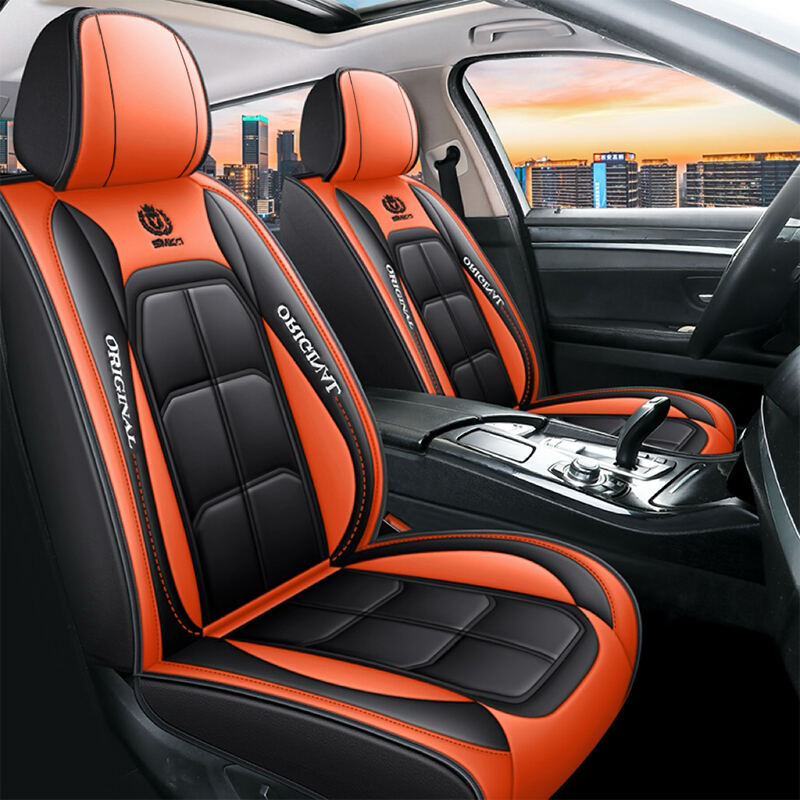
For automotive dealers, every detail on a vehicle contributes to the final sale price and the speed at which inventory moves off the lot. One of the most overlooked yet highly impactful investments a dealer can make is the use of seat covers for cars. These protective accessories serve a purpose far beyond aesthetics — they are a strategic tool that preserves interior condition, builds buyer confidence, and directly supports stronger resale margins across an entire fleet.
The logic is straightforward: a vehicle's interior condition is one of the first things a prospective buyer evaluates during an inspection. Worn, stained, or torn seating can immediately reduce perceived value and trigger aggressive price negotiations. Dealers who proactively deploy seat covers for cars during the holding period, during test drives, and throughout the sales preparation phase consistently report cleaner presentations, fewer reconditioning costs, and more favorable appraisals. Understanding how this works in practice is essential for any dealer looking to maximize return on used or demo vehicle inventory.
The Direct Connection Between Interior Condition and Resale Value
Why Buyers Price Interiors So Heavily
When a buyer walks into a dealership and sits inside a vehicle, the interior experience forms an immediate emotional and financial impression. Upholstery that looks clean, firm, and well-maintained signals to the buyer that the entire vehicle has been cared for responsibly. Conversely, visible seat damage — even minor discoloration or surface wear — creates doubt about the broader maintenance history of the car.
Research consistently shows that interior condition ranks among the top three factors influencing used car pricing decisions. Buyers are often willing to pay a premium for vehicles that present well on the inside, even when mechanical specifications are comparable to lower-priced alternatives. This psychological reality means that protecting seat surfaces is not merely a cosmetic concern — it is a pricing lever.
Seat covers for cars allow dealers to control this lever proactively. Rather than absorbing reconditioning costs after damage occurs, the covers prevent the damage entirely, keeping the original upholstery in a condition that supports full market-value pricing.
The Cost of Ignoring Interior Protection
Dealers who skip interior protection during the inventory holding period often discover the financial consequences during reconditioning. Professional upholstery cleaning, stain removal, seat reupholstering, or leather repair can cost significantly depending on the severity of damage and the vehicle segment. These costs directly reduce gross profit on each unit.
Beyond repair costs, there is the less visible cost of price concessions. A buyer who notices worn seating will use it as a negotiation point, often requesting discounts that far exceed what a set of seat covers for cars would have cost. The math is clear: preventive protection is a fraction of the cost of reactive reconditioning.
Fleet and volume dealers feel this impact even more sharply. When dozens or hundreds of vehicles are cycling through a lot simultaneously, unprotected interiors accumulate wear from test drives, detailing staff movement, and general lot activity. Seat covers for cars applied consistently across the fleet create a standardized layer of protection that scales cost-effectively with volume.
How Seat Covers for Cars Function as a Dealer Workflow Tool
Protection During the Holding and Display Period
Once a vehicle arrives at a dealership — whether through trade-in, auction, or fleet return — it enters a holding period before being sold. During this time, multiple staff members may enter and exit the vehicle for inspections, photography, detailing, and repositioning. Each interaction carries the risk of introducing stains, scuffs, or surface wear to the upholstery.
Fitting seat covers for cars immediately upon vehicle intake creates a protective barrier from the first moment the vehicle is on the lot. This simple operational step costs very little to implement but preserves the seating surface in its best possible condition throughout the entire pre-sale period. When it is time to present the vehicle to a buyer, removing the covers reveals upholstery that looks as close to original condition as possible.
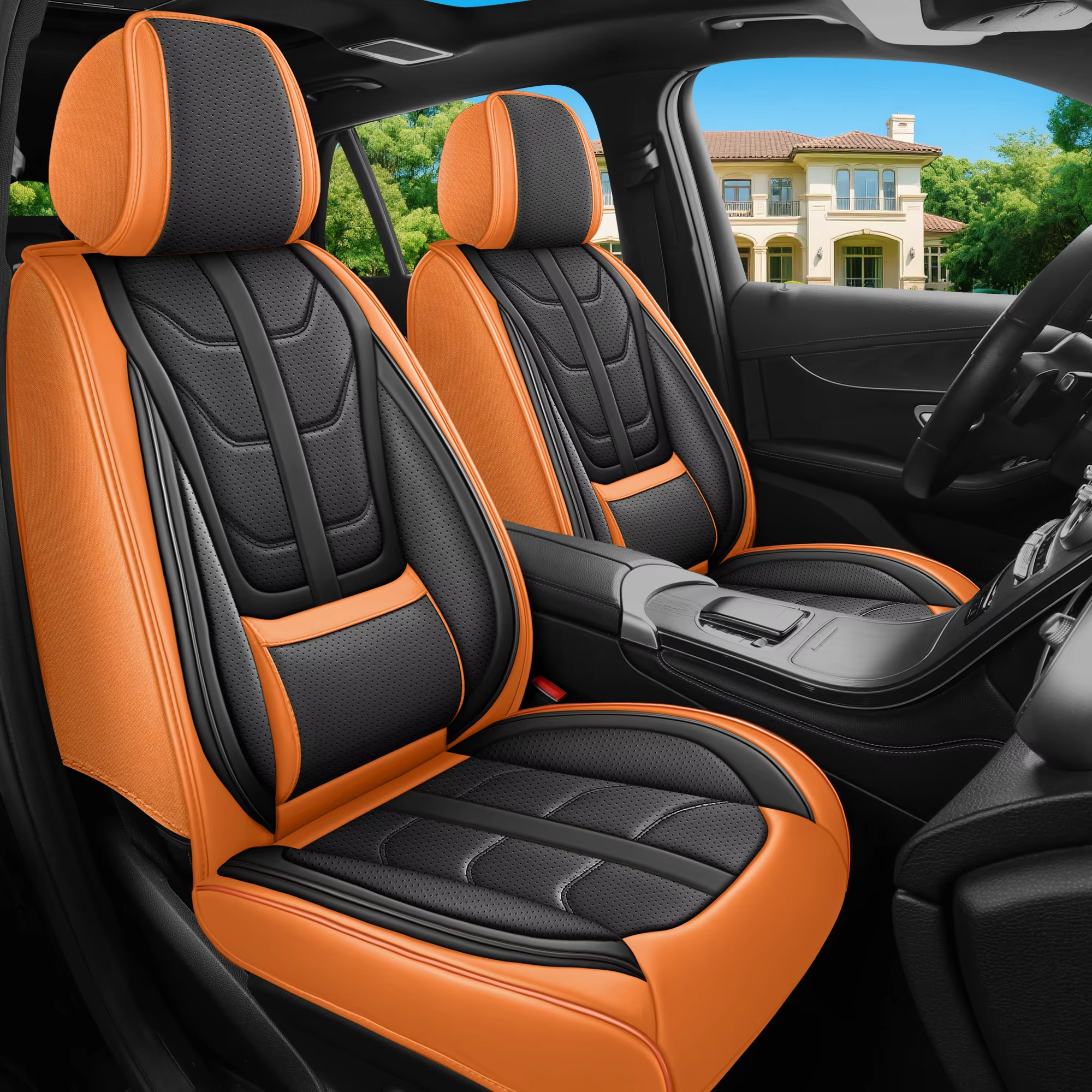
For dealers handling high-end vehicles, luxury trims, or lightly used nearly-new inventory, this approach is particularly valuable. Premium upholstery materials such as full leather or perforated suede are expensive to repair and highly sensitive to everyday contact. Seat covers for cars designed for full coverage provide a seamless shield that protects these high-value surfaces without any risk of pressure marks or material transfer.
Managing Test Drive Wear Professionally
Test drives are a necessary part of the sales process, but they introduce a concentrated source of interior wear. Multiple prospective buyers entering and exiting a vehicle, often in varying clothing types and weather conditions, can introduce soil, moisture, and friction-based surface wear to seat upholstery in a very short time.
Dealers who use seat covers for cars during the test drive phase manage this risk intelligently. The covers absorb the impact of repeated use while the underlying seat surface remains protected. A vehicle that has undergone dozens of test drives can still present with pristine upholstery at the point of final sale, which supports full asking-price conversations and reduces buyer objections.
This practice also sends a subtle but powerful signal to buyers: the dealership is detail-oriented and cares about the quality of what it sells. That impression has value in itself, contributing to buyer trust and reducing friction in the negotiation process.
Material and Design Considerations That Impact Dealer ROI
Choosing the Right Cover Material for Maximum Durability
Not all seat covers for cars deliver equal protection or equal value in a dealer context. The material selection matters significantly when the goal is to protect inventory through extended use while also ensuring the covers themselves do not cause damage to the underlying upholstery.
Full leather and high-grade synthetic leather covers offer the best combination of durability, cleanability, and professional appearance. These materials resist moisture penetration, wipe clean easily between vehicles, and do not shed fibers or leave residue on the seat surface beneath. For dealers managing premium vehicle inventory, a leather-grade seat cover is a natural fit that aligns with the quality expectations of the buyer segment.
Fabric-based seat covers for cars, while often lower in cost, may trap moisture and debris in ways that can transfer to the original upholstery over time. In a high-turnover dealer environment, this creates more risk than it mitigates. Investing in higher-quality covers that can be cleaned, reused across multiple vehicles, and removed without leaving marks provides a better long-term return.
Full Coverage Versus Partial Coverage in Dealer Applications
Full-coverage seat covers for cars — those designed to wrap the entire seat including headrests, side bolsters, and lower cushion — provide substantially better protection than partial or slip-on versions. In a dealer environment where vehicles see frequent entry and exit activity, partial coverage leaves vulnerable zones exposed to exactly the type of contact that causes the most visible wear.
Side bolsters, for instance, are consistently the first area of a seat to show wear because they are contacted every time someone enters or exits the vehicle. A seat cover that protects only the central seat face but leaves bolsters exposed will do little to preserve the overall appearance of the upholstery in a high-use environment.
Dealers who standardize on full-coverage seat covers for cars as part of their intake process see more consistent interior condition outcomes across their inventory, which translates into more predictable reconditioning budgets and more consistent resale pricing.
Buyer Perception and the Role of Presentation in Closing Sales
How Interior Presentation Influences Buyer Confidence
A buyer's willingness to pay the asking price is closely tied to how much confidence they have in the vehicle's overall condition. Interior presentation is one of the most accessible and immediate signals of that condition. A vehicle with immaculate seating communicates care, low abuse, and reliability — all qualities that justify higher pricing.
Seat covers for cars used throughout the holding and test drive period ensure that when the moment of final presentation arrives, the interior tells exactly the right story. This is not about deceiving the buyer — it is about ensuring that the vehicle's genuine condition is not obscured by preventable surface wear that occurred after the vehicle entered the dealer's inventory.
Dealers who remove protective seat covers for cars at the point of buyer presentation and reveal clean, undamaged upholstery create a positive impression that supports confident buying decisions. This small theatrical element of the sales process — the reveal of a well-preserved interior — has a measurable impact on negotiation dynamics and closing rates.
Reducing Objections and Price Negotiation Pressure
Every visible defect in a vehicle's interior becomes a potential negotiation point for the buyer. Stains, worn surfaces, cracked leather, or faded fabric are all ammunition for buyers seeking to justify a lower offer. By using seat covers for cars to prevent these defects from occurring in the first place, dealers reduce the number of objections they need to manage during the closing process.
A cleaner interior means fewer price objections, which means less pressure on the dealer's margin. Over a large volume of transactions, even modest improvements in average sale price resulting from better interior presentation can translate into substantial gains in total gross profit. Seat covers for cars are, in this context, a margin-preservation tool.
This dynamic is particularly relevant for dealers who specialize in certified pre-owned programs or who operate in competitive markets where buyers are comparing multiple similar vehicles. Interior condition becomes a differentiator, and dealers who protect their inventory consistently will present better than those who do not.
Operational and Financial Benefits of Standardizing Cover Use Across Inventory
Streamlining Reconditioning Budgets
Reconditioning costs are one of the most significant and variable expenses in a dealer's used vehicle operation. Interior repairs, particularly upholstery work, represent a substantial portion of those costs. By deploying seat covers for cars as a standard intake procedure, dealers can dramatically reduce the frequency and severity of interior reconditioning requirements.
The financial model is simple: the cost of a quality set of seat covers for cars, amortized across multiple vehicles if covers are reused, is a fraction of the cost of a single upholstery repair job. Scaling this across an inventory of fifty or one hundred vehicles creates a compounding cost advantage that improves the overall financial performance of the used vehicle department.
Dealerships that track reconditioning costs by category consistently find that interior costs drop meaningfully when protective practices — including the use of seat covers for cars — are standardized. This data creates a business case that supports continued investment in quality protective accessories as a line item in the operational budget.
Enabling Faster Vehicle Turnaround
Speed of sale is a critical metric for dealers. Vehicles that sit on the lot longer accumulate holding costs including floor plan interest, storage, and continued depreciation. Interior damage that requires reconditioning adds time to the preparation cycle, delaying the moment a vehicle can be presented to buyers and listed at full asking price.
Seat covers for cars that protect the interior from the moment of intake reduce the likelihood that reconditioning will be required before the vehicle is front-line ready. This compresses the preparation timeline, allowing vehicles to move from intake to active listing more quickly. Faster turnaround means lower holding costs and more inventory cycles per year — both of which improve dealer profitability.
In high-volume operations, even shaving one or two days off the average preparation cycle per vehicle creates a measurable improvement in overall lot efficiency. Seat covers for cars are one of the simplest and most cost-effective tools for achieving that compression.
FAQ
Do seat covers for cars work for all vehicle types in a dealer's inventory?
Yes, seat covers for cars are available in designs that accommodate a wide range of vehicle types including sedans, SUVs, trucks, and vans. Universal-fit and model-specific options both exist, giving dealers the flexibility to choose covers that fit their inventory mix. For operations handling diverse vehicle types, universal full-coverage seat covers for cars provide a practical and cost-efficient solution that can be deployed across multiple makes and models.
How many times can a single set of seat covers for cars be reused across different vehicles?
High-quality seat covers for cars made from durable materials such as full synthetic leather can typically be cleaned and reused across multiple vehicles, making them a cost-effective investment for dealers. The number of reuse cycles depends on the material quality and the care taken during installation and removal. Establishing a simple cleaning and inspection protocol for covers between uses extends their usable life and maximizes the return on the initial investment.
Can seat covers for cars damage the original upholstery if left on for extended periods?
When seat covers for cars are made from breathable, non-abrasive materials and are properly fitted, they do not damage original upholstery. The risk of damage arises primarily from poorly fitting covers that bunch or create friction points, or from moisture-trapping materials that hold humidity against the seat surface. Choosing well-constructed, full-coverage seat covers for cars from reputable sources and ensuring they are properly installed minimizes any risk to the underlying seat material.
Are seat covers for cars a worthwhile investment for dealers handling only new vehicles?
Absolutely. New vehicles are particularly susceptible to first-impression damage during the pre-delivery period. Test drives, showroom display time, and lot activity can all introduce wear to factory-fresh upholstery before the vehicle reaches its first owner. Using seat covers for cars during this phase protects the new vehicle's interior so that the buyer receives it in genuinely pristine condition, which reinforces the quality of the purchase and supports customer satisfaction scores.
Table of Contents
- The Direct Connection Between Interior Condition and Resale Value
- How Seat Covers for Cars Function as a Dealer Workflow Tool
- Material and Design Considerations That Impact Dealer ROI
- Buyer Perception and the Role of Presentation in Closing Sales
- Operational and Financial Benefits of Standardizing Cover Use Across Inventory
-
FAQ
- Do seat covers for cars work for all vehicle types in a dealer's inventory?
- How many times can a single set of seat covers for cars be reused across different vehicles?
- Can seat covers for cars damage the original upholstery if left on for extended periods?
- Are seat covers for cars a worthwhile investment for dealers handling only new vehicles?