 EN
EN

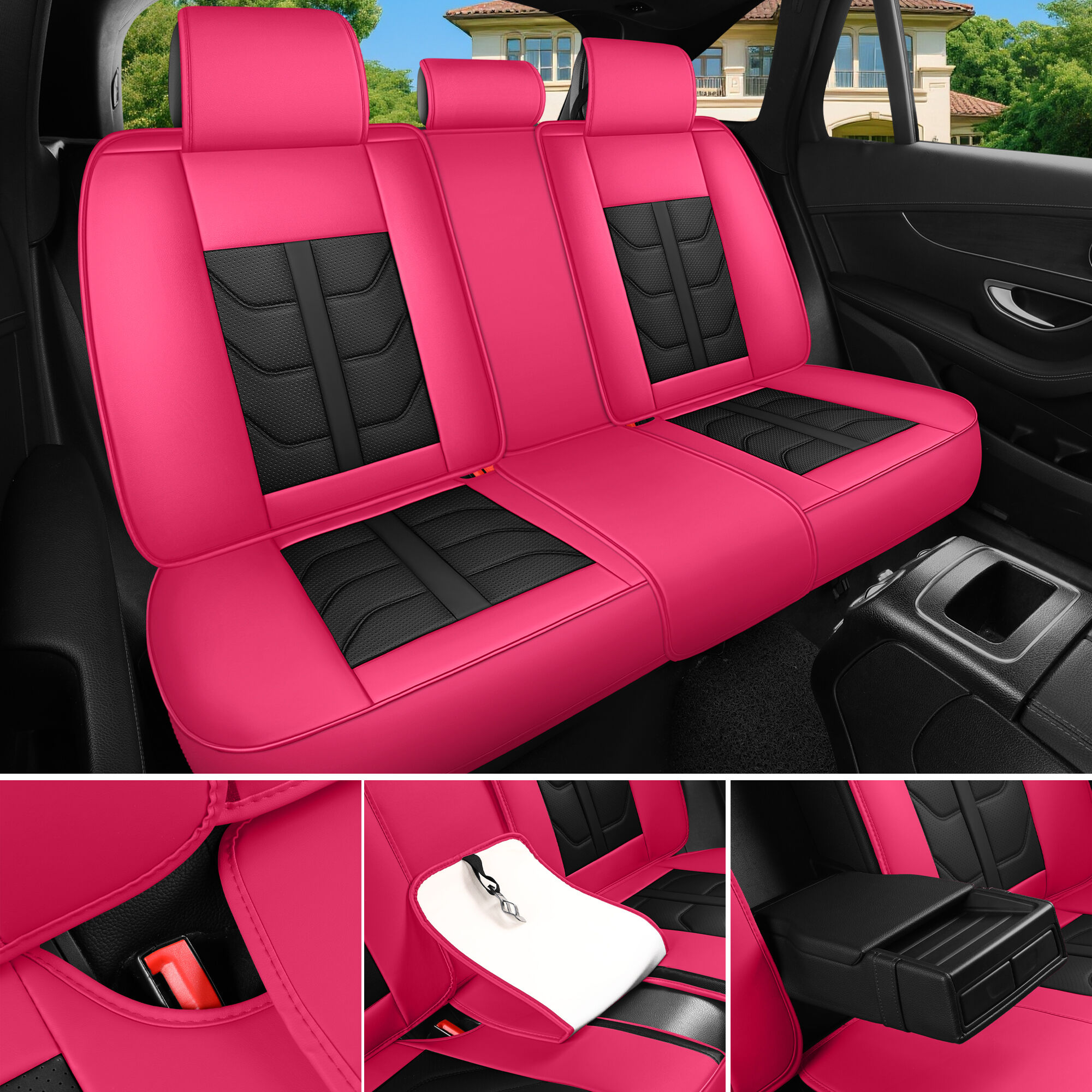
When purchasing interior accessories for their cars, trucks, or SUVs, buyers are rarely making an impulsive decision. The search for the right vehicle seat covers involves a careful evaluation of practical needs, aesthetic preferences, and long-term value. Whether a consumer is protecting brand-new upholstery, refreshing a worn interior, or simply adding a personal touch, the features they prioritize reveal a great deal about how modern buyers think about automotive comfort and functionality.
Understanding what drives purchasing decisions in this category is essential for anyone involved in sourcing, manufacturing, or retailing vehicle seat covers. The market has grown increasingly sophisticated, with buyers demanding products that combine durability, comfort, ease of installation, and design versatility. This article breaks down the key features that consistently influence buyer decisions and explains why each one matters in a practical, real-world context.
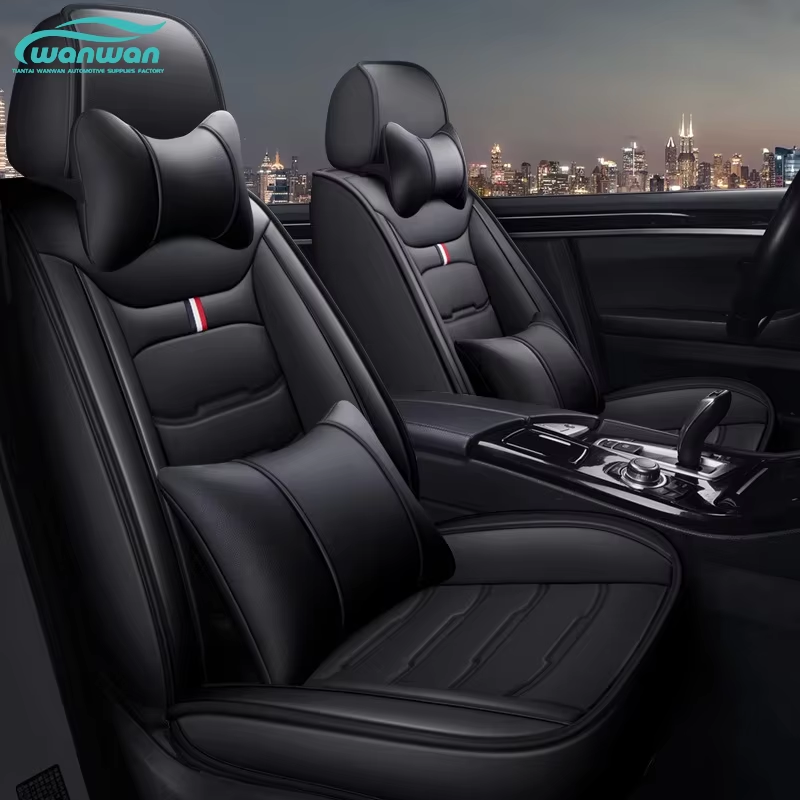
Material Quality and Durability
Why Material Choice Is the First Consideration
The material of vehicle seat covers is almost always the first thing a buyer examines. It directly determines how long the product will last, how it feels during extended use, and how well it resists the wear and tear of daily driving. Leather, faux leather, neoprene, polyester, and canvas are among the most common materials on the market, and each serves a different segment of buyers.
Buyers who prioritize a premium look and feel tend to gravitate toward leather or high-quality PU leather options. These materials offer a clean, professional appearance that elevates the interior aesthetic while also being relatively easy to wipe clean. For buyers in warmer climates or those who commute frequently, breathability and heat resistance become equally critical factors when selecting vehicle seat covers.
Durability is not just about resisting surface scratches. It also includes resistance to UV fading, moisture, pet hair accumulation, and repeated cleaning. Buyers who have previously purchased low-quality covers quickly learn to ask the right questions about material thickness, stitching strength, and coating technology before committing to a second purchase.
The Growing Demand for Wash-Free and Easy-Care Solutions
A notable shift in buyer expectations over recent years is the preference for vehicle seat covers that require minimal maintenance. Traditional fabric covers may look attractive initially, but they can trap odors, stain easily, and require frequent laundering. This has driven strong demand for wash-free or easy-to-wipe materials that simplify upkeep without compromising appearance.
Products engineered with smooth, non-porous surface textures allow spills and dirt to be removed with a damp cloth rather than a washing machine cycle. This feature is particularly valued by buyers with children, pets, or jobs that involve physical labor, where seat contamination is a routine challenge. The vehicle seat covers that combine a leather-like finish with wash-free convenience consistently rank among the most searched and reviewed products in this category.
From a B2B sourcing standpoint, offering easy-care materials is no longer a premium differentiator — it is increasingly a baseline expectation. Retailers and distributors who stock products without this feature are finding it harder to compete as buyer awareness grows.
Fitment and Universal Compatibility
The Challenge of Achieving a Proper Fit
One of the most common complaints among buyers of vehicle seat covers is poor fitment. A cover that slides, bunches, or exposes the original upholstery beneath it creates frustration and diminishes the overall quality perception of the product. Buyers consistently prioritize covers that stay securely in place throughout normal use, including entering and exiting the vehicle, shifting weight during long drives, and accommodating rear passengers.
Custom-fit covers, designed for specific makes and models, deliver a tailored appearance and reliable positioning. However, they come at a higher price point and require buyers to know their exact vehicle specifications. This limits their market reach and creates inventory challenges for sellers who need to stock dozens of SKUs to cover popular vehicle lines.
Universal-fit vehicle seat covers solve the inventory and accessibility problem, but only when they are engineered with thoughtful adjustability features. Elastic hems, anchor straps, adjustable buckles, and hook-and-loop attachment systems all contribute to a snug fit across a wide range of seat dimensions. Buyers who have had positive experiences with universal covers tend to look specifically for these engineering details when making repeat purchases.
Four-Seasons Universal Designs and Their Appeal
The concept of a four-seasons universal design has gained significant traction among buyers of vehicle seat covers. Rather than purchasing separate covers for summer and winter use, buyers appreciate products that regulate comfort across varying temperature conditions without needing to be swapped out seasonally.
This is achieved through materials and construction techniques that balance thermal retention in cold weather while avoiding uncomfortable heat buildup in warm conditions. Perforated surfaces, breathable backing layers, and moisture-wicking inner linings are common engineering solutions. For buyers in regions with significant seasonal temperature variation, this feature can be a deciding factor between two otherwise comparable products.
The universal sizing aspect also appeals strongly to fleet operators, rental companies, and automotive retailers who need consistent solutions across multiple vehicle types. Standardizing on vehicle seat covers that work across different models reduces procurement complexity and simplifies inventory management at scale.
Design, Aesthetics, and Customization Options
How Visual Appeal Influences Purchase Decisions
Beyond function, the visual design of vehicle seat covers plays a major role in purchase decisions. The vehicle interior is a personal space, and buyers invest real emotional energy in ensuring that their accessories reflect their identity and taste. Color choices, texture patterns, stitching details, and embossed designs all contribute to the perceived value of a product.
Neutral tones such as black, gray, and beige tend to dominate sales because they pair well with the majority of factory interior color schemes. However, buyers seeking a more distinctive look increasingly request contrast stitching, diamond-quilted patterns, and dual-tone combinations. Suppliers who offer a broader design palette without sacrificing material quality have a clear competitive advantage.
For B2B buyers such as car accessory retailers and automotive parts distributors, offering a cohesive design range helps build brand consistency across their product lineup. When vehicle seat covers are part of a coordinated interior accessories collection — matching steering wheel covers, armrest pads, and floor mats — the perceived product value and average order value both increase.
Branding and Private Label Opportunities
Many wholesale buyers in the automotive accessories space are actively looking for private label or OEM opportunities within the vehicle seat covers category. The ability to customize packaging, add embroidered logos, or specify unique colorways gives distributors and retailers a way to differentiate their offerings in a crowded market.
Manufacturers who support small minimum order quantities for custom designs are particularly appealing to emerging brands and regional retailers who want exclusivity without the financial risk of large volume commitments. This sourcing flexibility has become a notable evaluation criterion for buyers who are thinking about long-term supplier relationships rather than one-time transactions.
The aesthetic dimension of vehicle seat covers should never be treated as secondary to function. In many cases, design is the initial hook that draws a buyer to a product, with material and fitment details confirming the final decision. A product that fails visually will rarely receive a second look, regardless of its technical merits.
Installation Ease and Consumer Experience
Why Simple Installation Matters to End Buyers
Ease of installation is consistently cited as a top-three feature by retail consumers purchasing vehicle seat covers. Unlike many automotive accessories that require professional fitting, seat covers are expected to be a self-installable product. Buyers who encounter complex installation processes quickly become dissatisfied and are likely to leave negative reviews that impact future sales performance.
Products that can be fitted in under thirty minutes using no tools, with clear visual instructions and intuitive attachment mechanisms, consistently outperform technically superior products that require prolonged effort. Elastic bands that slip over seat backs, integrated hooks that anchor beneath the seat, and snap-in connectors for headrest accommodations are among the features that make installation approachable for non-technical buyers.
For commercial buyers who are equipping multiple vehicles — such as taxi fleets, corporate car pools, or vehicle rental agencies — installation speed directly affects operational efficiency. The faster and more reliably their staff can outfit a vehicle, the lower the labor cost per unit. This practical business consideration makes installation simplicity a genuine procurement criterion rather than a secondary preference for vehicle seat covers in commercial contexts.
Packaging, Instructions, and Unboxing Experience
The buyer experience does not begin when the cover is installed — it begins when the package is opened. Well-organized packaging that separates individual seat cover components clearly, includes labeled diagrams, and avoids excessive plastic or difficult-to-remove fasteners creates a positive first impression that builds confidence in the product quality.
For online retail channels, where vehicle seat covers are increasingly purchased without physical inspection, packaging presentation directly influences post-purchase satisfaction and return rates. A product that arrives in a structured, professional package communicates care in manufacturing and attention to the overall customer experience — both of which are difficult to communicate through product images alone.
Including QR codes that link to installation video tutorials is a simple but effective way to reduce installation frustration and customer service inquiries. Buyers appreciate brands that anticipate their needs and provide resources proactively, and this kind of thoughtful detail increasingly factors into repeat purchase decisions for vehicle seat covers.
Safety, Compliance, and Additional Functional Features
Compatibility With Airbags and Safety Systems
A critical technical requirement for vehicle seat covers that is sometimes overlooked by first-time buyers is compatibility with side airbag systems. Many modern vehicles integrate airbags within the seat structure, and a cover that obstructs proper airbag deployment poses a serious safety risk. Buyers who become aware of this issue prioritize covers that include dedicated airbag-compatible stitching or seam openings that allow safe deployment.
Sourcing professionals and fleet managers, in particular, treat airbag compatibility as a non-negotiable specification. Regulatory environments in many markets are also beginning to scrutinize this feature more closely, which means compliance documentation and test certifications are increasingly requested by institutional buyers when evaluating vehicle seat covers.
Manufacturers who proactively test and certify their products for airbag compatibility and provide the corresponding documentation enjoy a meaningful trust advantage in both retail and B2B sales channels. Transparency around safety compliance builds long-term buyer confidence and reduces procurement risk for commercial customers.
Additional Comfort and Functional Enhancements
Beyond protection and aesthetics, buyers increasingly evaluate vehicle seat covers based on comfort enhancements they may offer. Memory foam padding, lumbar support integration, cooling gel layers, and anti-slip backing materials are all features that can differentiate a product in a competitive segment.
Buyers who spend several hours per day in their vehicles — long-haul drivers, sales professionals, and urban commuters — place particular value on ergonomic improvements that reduce fatigue and improve posture. A seat cover that also functions as a comfort upgrade commands a higher price point and a more loyal customer base than one that offers only basic protection.
Anti-slip backing deserves special mention because it addresses a functional safety concern rather than just a comfort preference. A cover that shifts under the driver can create a distraction or, in extreme cases, interfere with control. Buyers who have experienced this problem are highly motivated to seek out vehicle seat covers with confirmed non-slip bottom layers, and they communicate this preference clearly in product reviews and purchase questions.
FAQ
What materials are most popular among buyers of vehicle seat covers?
Leather and PU leather remain the most popular material choices due to their premium appearance and easy-clean properties. Neoprene and polyester are also widely purchased for their durability and weather resistance. Buyers increasingly prefer materials that combine a smooth finish with wash-free maintenance, making PU leather a leading choice across both retail and commercial markets.
Are universal-fit vehicle seat covers suitable for most cars?
Yes, high-quality universal-fit vehicle seat covers are designed to accommodate a wide range of seat sizes and configurations found in standard passenger cars, SUVs, and light trucks. The key is in the attachment system — products with elastic hems, adjustable straps, and anchoring hooks provide a secure fit across different seat dimensions. However, buyers with highly contoured or sport-bucket seats may find custom-fit options more appropriate.
How important is airbag compatibility when choosing vehicle seat covers?
Airbag compatibility is critically important for any vehicle equipped with side or seat-integrated airbag systems. Covers that do not account for airbag deployment can obstruct the mechanism and pose a serious safety hazard. Buyers should always verify that vehicle seat covers are labeled as airbag-compatible and, where available, review any available safety test certifications before purchasing.
What features make vehicle seat covers suitable for year-round use?
Four-seasons vehicle seat covers typically feature a combination of breathable surface materials, temperature-regulating construction, and moisture-wicking backings that keep the seating surface comfortable in both hot and cold weather. Perforated textures improve airflow in summer, while padded or insulating inner layers retain warmth in winter. Products marketed as four-seasons universal designs are especially practical for buyers in regions with significant seasonal climate variation.