 EN
EN

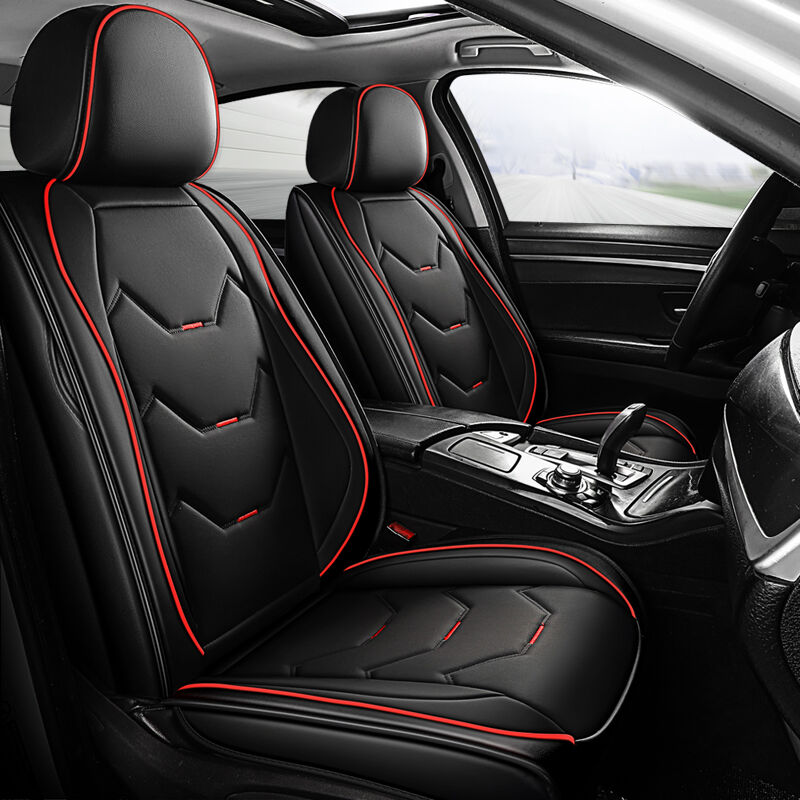
Working directly with seat cover manufacturers for bulk orders is one of the most strategic decisions a business can make in the automotive accessories supply chain. Whether you are a retailer, fleet manager, e-commerce seller, or automotive distributor, establishing a productive relationship with the right production partner can determine your profit margins, product quality, and delivery reliability. Understanding how to approach this collaboration systematically makes the difference between a smooth, scalable operation and a costly procurement nightmare.
The bulk ordering process with seat cover manufacturers involves far more than simply placing a large purchase order. It requires careful preparation, clear communication, contractual alignment, quality oversight, and a long-term relationship-building mindset. This guide walks you through every critical stage of collaborating effectively with seat cover manufacturers so that your bulk orders consistently meet your business expectations.
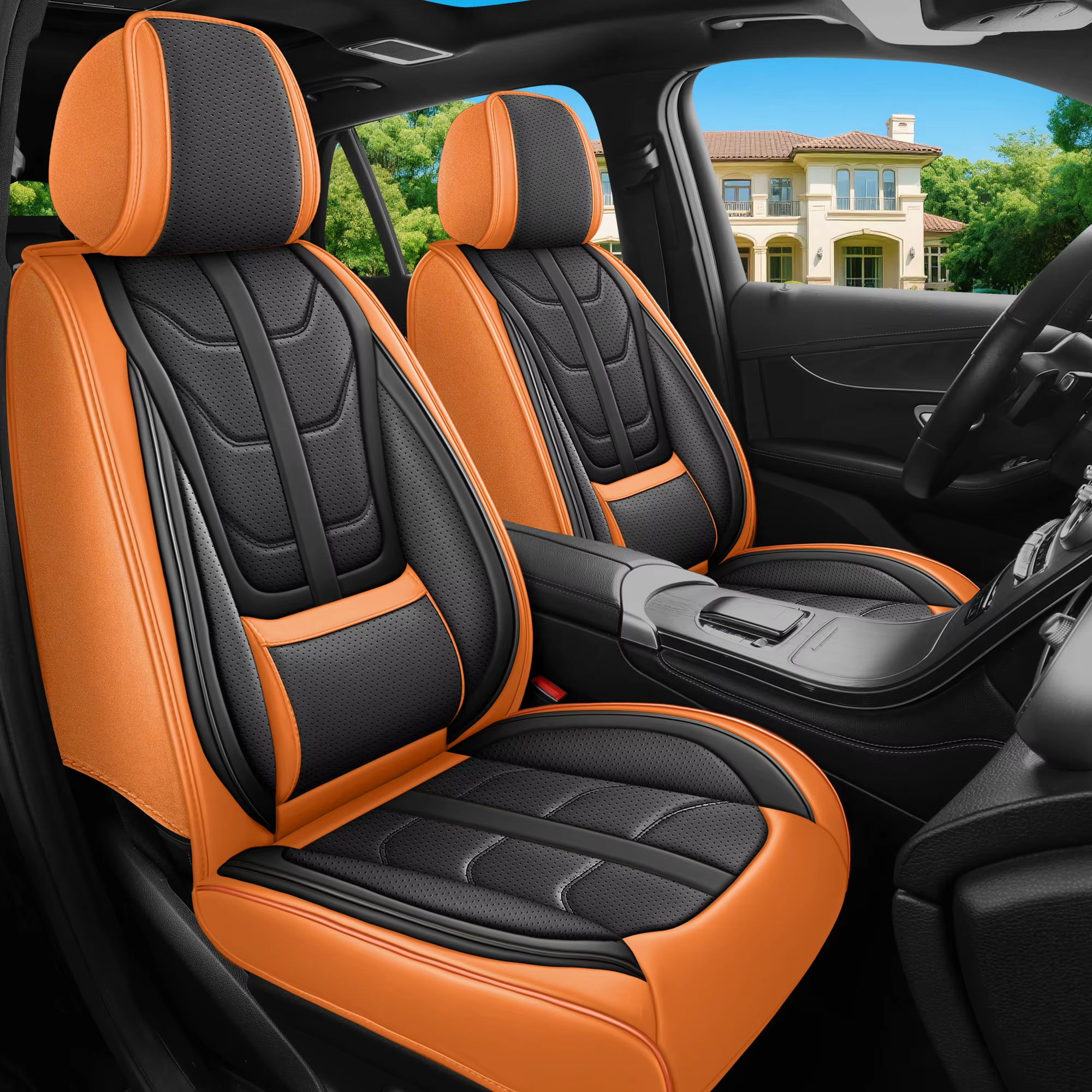
Understanding What Seat Cover Manufacturers Expect from Bulk Buyers
Minimum Order Quantities and Production Scheduling
Before initiating any partnership, buyers must understand that seat cover manufacturers operate on production schedules dictated by material procurement, machine capacity, and labor allocation. Most manufacturers set minimum order quantities (MOQs) that reflect the threshold at which a production run becomes economically viable for their facility. Trying to negotiate below these thresholds without offering alternative compensation, such as premium pricing or advance payment, is often a non-starter.
For bulk orders specifically, aligning your order volume with the manufacturer's production calendar is essential. Seat cover manufacturers typically manage multiple client orders simultaneously, so early booking of production slots, especially during peak automotive seasons, ensures your timeline is respected. Communicate your anticipated order frequency upfront so manufacturers can factor your needs into their capacity planning.
Buyers who demonstrate predictability and volume consistency are treated as priority clients by seat cover manufacturers. If your business can commit to recurring orders over a defined period, leveraging this as a negotiation point can yield better pricing tiers and expedited fulfillment cycles.
Technical Specifications and Design Documentation
Seat cover manufacturers cannot produce to your expectations without precise technical documentation. This includes vehicle model compatibility data, material specifications, color codes, stitching patterns, embossing details, and packaging requirements. The more detailed and standardized your technical briefs, the fewer revision rounds you will encounter during sample development.
In bulk order scenarios, even minor specification ambiguities multiply across thousands of units, creating substantial rework costs. Invest time in preparing a complete product specification sheet before approaching seat cover manufacturers. This document becomes the contractual foundation for quality control inspections and dispute resolution.
If your business requires custom branding, logo embossing, or private-label packaging, communicate this during the very first inquiry. Seat cover manufacturers may require additional tooling fees or setup charges for custom work, and understanding this cost upfront allows accurate budget forecasting.
How to Evaluate and Select the Right Seat Cover Manufacturers
Factory Audits and Capability Verification
Not all seat cover manufacturers have equal production capabilities, and selecting the wrong partner for a bulk order can expose your business to quality failures, delayed shipments, and compliance risks. Before committing to any production agreement, conduct a thorough capability audit, either in person or through a third-party inspection agency.
A proper factory audit evaluates several dimensions: production floor capacity, equipment condition and modernity, quality control systems, raw material sourcing practices, and certifications relevant to your target market. Seat cover manufacturers serving international markets should hold recognized certifications such as ISO 9001 or comply with specific automotive material standards applicable in your region.
Request production samples from existing product lines before committing to custom bulk orders. Evaluating existing output gives you a realistic baseline for what to expect in terms of material quality, finishing precision, and dimensional accuracy. Reputable seat cover manufacturers will have no hesitation in providing samples for serious buyers.
Assessing Communication Responsiveness and Order Management Systems
The operational quality of a manufacturer extends well beyond the factory floor. How seat cover manufacturers handle communications, manage order documentation, respond to issues, and provide production updates directly impacts your buyer experience. Poor communication habits often signal deeper operational disorganization that can derail bulk order timelines.
Evaluate how quickly and clearly potential manufacturing partners respond to initial inquiries. Manufacturers who ask clarifying questions, provide structured quotations, and offer clear payment and delivery terms are demonstrating the organizational maturity needed to handle large-volume business reliably. A dedicated account manager or sales contact for your account is a strong positive signal.
Also assess whether the seat cover manufacturers you are evaluating use any form of production tracking system that allows you to monitor order progress. Visibility into manufacturing milestones is increasingly standard among professional-grade producers and reduces the uncertainty that comes with committing large capital to overseas or long-distance production partnerships.
Structuring Your Bulk Order Agreement with Seat Cover Manufacturers
Pricing, Payment Terms, and Volume Incentives
Negotiating favorable commercial terms is a core skill in working with seat cover manufacturers for bulk orders. Pricing structures in this industry typically reward volume, with tiered pricing models that reduce unit costs as order quantities increase. Understanding this structure allows you to optimize your order sizing to hit favorable price thresholds.
Payment terms commonly used in bulk manufacturing agreements include a percentage deposit upon order confirmation, with the balance due upon production completion or prior to shipment. For first-time orders with new seat cover manufacturers, a 30% to 50% upfront deposit is standard. As the relationship matures and trust is established, some manufacturers offer extended payment terms or credit facilities.
Ensure the pricing agreement clearly distinguishes base unit cost, tooling or setup fees for custom work, packaging costs, and any freight or logistics charges. Seat cover manufacturers may quote ex-factory (EXW) or FOB pricing, and understanding the implications of each term on your total landed cost is critical for accurate financial planning.
Quality Standards and Defect Liability Clauses
Every bulk order agreement with seat cover manufacturers must include clearly defined quality acceptance criteria and consequences for non-conformance. Without these contractual safeguards, disputes over defective units become difficult to resolve and can result in significant financial losses for the buyer.
Define acceptable defect rates for different defect categories: critical defects that render a product unusable, major defects that affect appearance or function, and minor defects that represent cosmetic imperfections within tolerable limits. These Acceptable Quality Level (AQL) standards provide a measurable framework for third-party inspection and final acceptance decisions.
Contractually establish the process for handling non-conforming goods: whether the manufacturer replaces defective units at their cost, provides credit, or offers a discount on the affected batch. Seat cover manufacturers who agree to clear defect liability terms upfront are demonstrating confidence in their own quality systems.
Managing the Production and Delivery Process for Bulk Orders
Pre-Production Samples and Approval Workflows
Before seat cover manufacturers begin mass production, a formal pre-production sample review process should be in place. This sample, often referred to as a golden sample or production-approved sample, serves as the definitive benchmark against which all manufactured units are evaluated during and after production.
Review pre-production samples against every specification in your technical brief: material texture, color fidelity, stitching integrity, hardware function, and dimensional fitment for the specified vehicle models. Provide written feedback for any required corrections and obtain a revised sample before authorizing full-scale production runs. Skipping this step to save time frequently results in costly mass-production errors.
Seat cover manufacturers with structured sample approval workflows are better equipped to maintain production consistency across large batch runs. Ask specifically about their internal inspection checkpoints during production and whether they can provide in-process inspection reports for bulk orders.
Logistics Coordination and Delivery Timeline Management
Coordinating logistics between your business and your seat cover manufacturers requires proactive planning, particularly for international shipments. Establish agreed delivery milestones in your contract: production completion date, readiness for inspection, shipment date, and expected arrival date. Build buffer time into your planning to account for customs clearance, seasonal shipping delays, and port congestion.
Clarify with seat cover manufacturers who is responsible for export documentation, including packing lists, commercial invoices, certificates of origin, and any product compliance certificates required by your import country. Incomplete or inaccurate shipping documentation is one of the most common causes of costly customs delays.
For large or recurring bulk orders, consider working with a freight forwarder who has established relationships with manufacturers in your supplier's region. Freight forwarders can consolidate shipments, navigate documentation requirements, and provide competitive rates that reduce your overall logistics costs when ordering from seat cover manufacturers at scale.
Building a Long-Term Partnership with Seat Cover Manufacturers
Performance Reviews and Continuous Improvement Collaboration
The most successful buyers do not treat seat cover manufacturers as transactional vendors but as strategic supply chain partners. After each bulk order cycle, conduct a formal performance review covering delivery timeliness, quality conformance rate, communication quality, and responsiveness to issues. Share these findings constructively with your manufacturing partner.
Manufacturers who receive structured performance feedback can identify process improvements that benefit both parties. Suggesting improvements to packaging efficiency, material waste reduction, or inspection protocols positions you as a value-adding partner rather than a purely demanding buyer. Seat cover manufacturers are more likely to prioritize, offer better pricing, and invest in product development for clients who engage collaboratively.
Over time, a well-nurtured partnership with seat cover manufacturers creates competitive advantages that are difficult to replicate: institutional knowledge of your product specifications, priority access to new materials and designs, and mutual trust that accelerates order cycles and reduces administrative friction.
Scaling Orders and Expanding Product Ranges
As your business grows and your relationship with seat cover manufacturers matures, explore opportunities to expand the scope of collaboration. This might include introducing new vehicle model fitments, adding product lines such as full-set interior protection kits, or developing exclusive designs that differentiate your offering in the market.
Seat cover manufacturers with strong R&D capabilities can co-develop new materials, ergonomic designs, or technologically enhanced features such as heating element compatibility or antimicrobial fabric treatments. Engaging manufacturers early in your product ideation process allows them to assess feasibility, suggest cost-effective alternatives, and incorporate your requirements into their development pipeline.
Scaling your orders strategically also gives you leverage to renegotiate commercial terms, request dedicated production capacity, or establish a vendor-managed inventory arrangement. These advanced partnership structures are only available to buyers who have demonstrated reliability and have invested in building trust with their seat cover manufacturers over multiple successful order cycles.
FAQ
What is the typical minimum order quantity when working with seat cover manufacturers for bulk orders?
Minimum order quantities vary significantly between seat cover manufacturers depending on their scale, product complexity, and material requirements. For standard designs, MOQs commonly range from 50 to 500 sets per SKU. Custom designs with unique materials or branding may carry higher MOQs due to the setup costs involved. Always clarify MOQ thresholds during initial discussions and factor them into your inventory planning.
How should I handle quality disputes with seat cover manufacturers after bulk delivery?
Quality disputes should be handled through the defect liability clauses established in your purchase agreement. Document all non-conforming units with photographs, measurements, and defect categorization, and submit a formal claim with supporting evidence to the manufacturer. Reputable seat cover manufacturers will have a defined process for reviewing claims, offering replacement production, credit notes, or partial refunds depending on the severity and scope of the non-conformance.
Is it necessary to visit the factory of seat cover manufacturers before placing a bulk order?
While a physical factory visit is ideal for high-value or ongoing bulk order relationships, it is not always practical, especially for international sourcing. As an alternative, buyers can commission third-party audit agencies to conduct factory assessments on their behalf. Video calls with live factory tours, combined with third-party inspection reports, provide sufficient verification for many buyers when working with seat cover manufacturers for the first time.
How can I ensure consistent quality across multiple bulk orders from the same seat cover manufacturers?
Consistency across multiple bulk orders depends on maintaining a formally approved golden sample, enforcing AQL-based inspection protocols at each production run, and conducting periodic production audits. Establish a clear change notification requirement in your agreement, so seat cover manufacturers must inform you of any material substitutions, supplier changes, or process modifications before they are implemented. Consistent documentation and structured quality review meetings help prevent quality drift over time.
Table of Contents
- Understanding What Seat Cover Manufacturers Expect from Bulk Buyers
- How to Evaluate and Select the Right Seat Cover Manufacturers
- Structuring Your Bulk Order Agreement with Seat Cover Manufacturers
- Managing the Production and Delivery Process for Bulk Orders
- Building a Long-Term Partnership with Seat Cover Manufacturers
-
FAQ
- What is the typical minimum order quantity when working with seat cover manufacturers for bulk orders?
- How should I handle quality disputes with seat cover manufacturers after bulk delivery?
- Is it necessary to visit the factory of seat cover manufacturers before placing a bulk order?
- How can I ensure consistent quality across multiple bulk orders from the same seat cover manufacturers?