 EN
EN

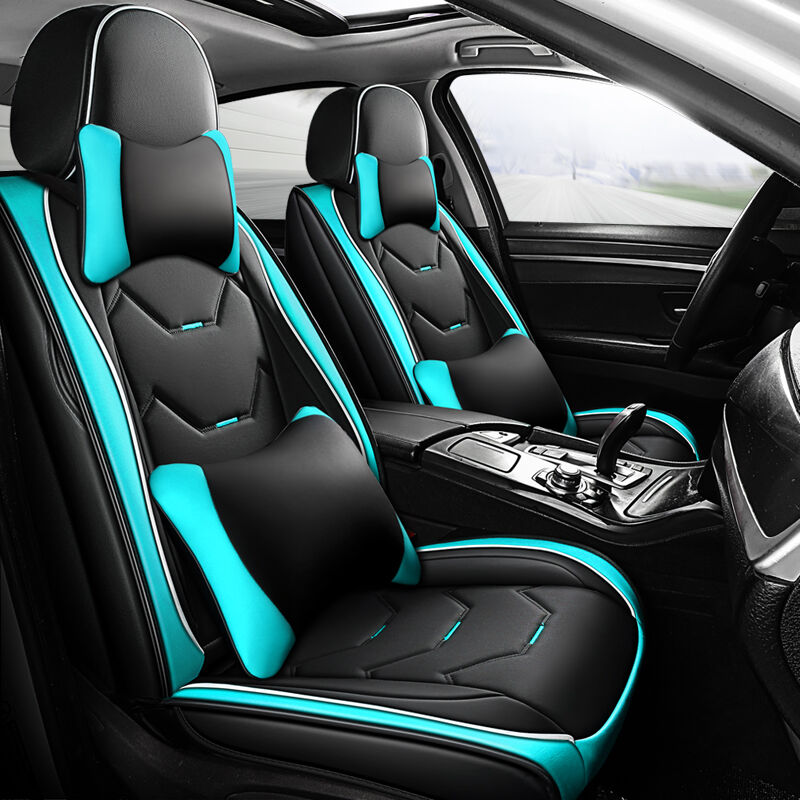
The global automotive accessories market has experienced remarkable expansion over the past decade, and among the most consistently traded product categories, seat covers for vehicles have emerged as a standout performer in cross-border commerce. From Southeast Asia to the Middle East, from Latin America to Eastern Europe, importers and distributors are actively sourcing high-quality seat covers for vehicles to meet growing consumer demand. This surge is not coincidental — it reflects a convergence of lifestyle trends, rising vehicle ownership, and evolving consumer expectations about interior comfort and personalization.
Understanding why seat covers for vehicles command such strong demand across export markets requires examining the forces that shape purchasing decisions in diverse economies. Whether it is a fleet operator in the Gulf region seeking durable leather finishes, a ride-share driver in Southeast Asia wanting easy-to-clean upholstery protection, or a retail consumer in South America looking to refresh an aging car interior, the appeal of seat covers for vehicles is genuinely universal. This article explores the structural and market-driven reasons behind this consistent cross-border demand.
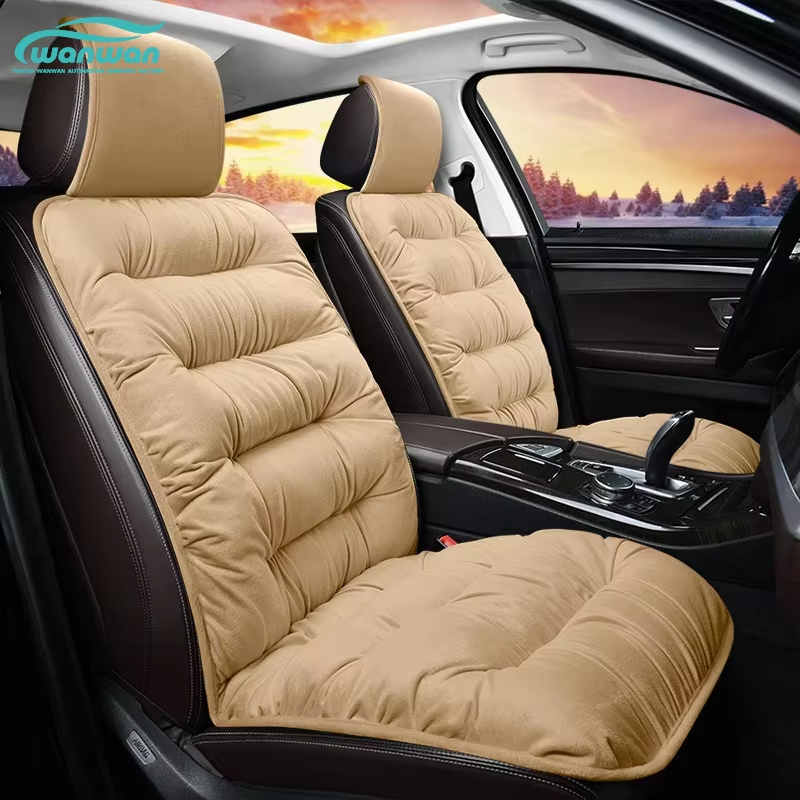
The Global Rise in Vehicle Ownership and Its Impact on Accessory Markets
Expanding Automotive Fleets in Emerging Economies
One of the most powerful demand drivers for seat covers for vehicles is the accelerating rate of vehicle ownership across emerging markets. Countries in Africa, Southeast Asia, and Latin America have seen middle-class populations grow steadily, and with that growth comes increased personal vehicle acquisition. As more households purchase their first or second car, the desire to protect and personalize that investment becomes immediate and practical.
In many of these markets, new car purchases are accompanied by a strong cultural impulse to add protective accessories. Seat covers for vehicles are among the first aftermarket products buyers seek out, both to preserve resale value and to express individual taste. This cultural dimension means demand is not purely functional — it is also aspirational, which helps sustain consistent purchase cycles across retail and wholesale channels.
Export-focused manufacturers who understand this dynamic are better positioned to tailor their product offerings. Universal-fit designs that accommodate a wide range of vehicle makes and models are particularly popular in markets where car diversity is high, since buyers and distributors alike need a single solution that works across multiple platforms.
Fleet and Commercial Vehicle Demand
Beyond personal vehicles, commercial fleets represent a substantial and repeatable source of demand for seat covers for vehicles in export markets. Taxi operators, logistics companies, ride-hailing services, and corporate fleet managers all share a common operational concern: keeping vehicle interiors presentable, hygienic, and durable under heavy daily use. Seat covers for vehicles address all three concerns simultaneously, making them a routine procurement item rather than a discretionary purchase.
Fleet buyers typically purchase in volume, which means export distributors can build dependable order pipelines around commercial accounts. The requirements from fleet operators tend to emphasize durability, ease of installation, and simple cleaning — characteristics that are well-served by modern all-inclusive leather and cushion designs that are engineered for four-season use and high-traffic conditions.
Product Design Factors That Drive Cross-Border Appeal
Universal Fit and Multi-Season Functionality
One of the core reasons seat covers for vehicles travel so well across export markets is the widespread adoption of universal-fit engineering. Unlike custom-cut covers designed for a single vehicle model, universal designs accommodate a broad range of seat dimensions and configurations. This dramatically simplifies inventory management for importers and retailers, who can stock a single SKU and serve multiple customer segments without the complexity of model-specific ordering.
Multi-season functionality further enhances the cross-border appeal of seat covers for vehicles. A product designed for both summer breathability and winter warmth addresses the climate diversity found across different export destinations. For instance, all-inclusive leather designs with cushioning layers perform well in hot Gulf climates where direct sunlight beats down on car interiors, and equally well in cooler Central Asian markets where insulation is valued. This versatility reduces buyer hesitation and broadens the addressable market significantly.
Products like the seat covers for vehicles designed for five-seat universal configurations exemplify this philosophy. By combining leather aesthetics with cushioned support and a design that fits a wide array of popular sedan and SUV formats, such products remove many of the friction points that slow cross-border purchasing decisions.
Material Quality and Aesthetic Consistency
International buyers of seat covers for vehicles are increasingly sophisticated in their material expectations. Early export markets may have accepted basic fabric covers with minimal finishing, but contemporary buyers across most export regions now expect products that replicate or enhance the appearance of factory-installed upholstery. Leather-effect finishes, stitching quality, color consistency, and tactile feel all factor into purchasing decisions, particularly for products destined for retail display environments.
Material durability is equally critical. Seat covers for vehicles that fade quickly, tear under normal use, or degrade in heat and humidity generate returns, negative reviews, and damaged distributor relationships. Export-market success depends on delivering products that perform reliably over extended periods, which is why manufacturers investing in premium materials and quality control processes consistently outperform lower-tier competitors in repeat order rates.
When a distributor builds a reputation for supplying seat covers for vehicles that consistently look and feel premium, they become a trusted source within their local market. This reputation effect compounds over time, creating strong competitive moats for both the manufacturer and the importer.
Market Structure and Trade Dynamics Favoring Export Growth
E-Commerce Platforms Expanding Reach
The growth of cross-border e-commerce has fundamentally changed how seat covers for vehicles reach end consumers in export markets. Platforms focused on international trade have enabled even small and mid-sized manufacturers to reach buyers in dozens of countries simultaneously, without the need for traditional distributor networks. This has lowered the barrier to entry for new export relationships while accelerating the pace at which winning products gain traction in new markets.
For buyers, the ability to browse, compare, and order seat covers for vehicles from international suppliers directly has created a more competitive and transparent procurement environment. Importers are better informed about pricing, specifications, and minimum order quantities than ever before, which has elevated baseline product expectations across most export destinations. Products that succeed on major cross-border platforms tend to be those offering the best combination of competitive pricing, visible quality signals, and reliable fulfillment.
This shift toward digitally-mediated trade has also made customer feedback far more visible. Reviews and ratings follow seat covers for vehicles from platform to platform, meaning quality reputations — both positive and negative — travel quickly across borders. Manufacturers committed to consistent quality benefit disproportionately from this transparency.
Freight and Logistics Efficiency
Seat covers for vehicles are well-suited to export trade from a purely logistical standpoint. They are lightweight, compressible, and non-hazardous, which means they can be packed densely and shipped cost-effectively via air freight for urgent orders or sea freight for large-volume shipments. Low freight cost relative to product value improves the economics for both exporter and importer, making seat covers for vehicles more price-competitive than bulkier or heavier automotive accessories.
The standardization of packaging for seat covers for vehicles also facilitates efficient warehousing and retail display in destination markets. Products that arrive neatly packaged, with clear labeling in multiple languages and installation guides, are significantly easier for local distributors to manage and sell. This operational compatibility with standard retail and wholesale infrastructure is a silent but important driver of sustained export demand.
Consumer Trends Reinforcing Sustained Demand
Personalization and Interior Customization Culture
Across virtually every major export market, consumers are placing greater emphasis on personal expression through vehicle interiors. The car is increasingly viewed as an extension of personal identity, and the interior — particularly the seating — is the most tactile and visible surface in daily use. This has driven growing interest in seat covers for vehicles that offer design variety, color options, and style differentiation beyond what factory interiors provide.
In markets where car modification culture is strong — such as parts of Southeast Asia, the Middle East, and Eastern Europe — seat covers for vehicles represent one of the most accessible and affordable ways to achieve a visually distinctive cabin environment. The relatively low price point compared to audio upgrades or body kits makes seat covers for vehicles an entry-level customization that appeals to a very broad consumer base.
Manufacturers who offer diverse style options within a universal-fit framework are able to capture both the value-seeking buyer and the style-conscious consumer simultaneously. This dual appeal is difficult to replicate with highly specialized products and is a key reason why versatile seat covers for vehicles continue to generate strong export volumes year over year.
Hygiene Awareness and Interior Protection Priorities
Post-pandemic consumer awareness around surface hygiene has permanently elevated interest in protective automotive accessories. Seat covers for vehicles that are easy to remove and clean address a genuine concern for vehicle owners who want to maintain sanitary interiors, whether for personal comfort or professional image reasons. This hygiene dimension is particularly relevant for commercial vehicle operators and ride-share drivers whose vehicles accommodate multiple passengers daily.
The functional case for seat covers for vehicles has therefore strengthened in recent years. Buyers no longer need to be convinced purely on aesthetic grounds — the practical argument for protecting original upholstery from stains, wear, and contamination is now broadly understood and accepted across consumer segments. Export markets that have seen rapid growth in urban mobility services have been especially receptive to this messaging.
Durable, leather-finish seat covers for vehicles that can be wiped clean quickly are particularly valued in these use cases. Products designed with both appearance and maintainability in mind tend to achieve stronger customer satisfaction scores and generate more repeat purchases, which ultimately benefits the entire export supply chain from manufacturer to end retailer.
FAQ
What makes seat covers for vehicles suitable for export to multiple different markets?
Universal-fit designs, multi-season material performance, and competitive price-to-quality ratios make seat covers for vehicles adaptable to diverse market conditions. Products engineered to fit a wide range of vehicle types and withstand varied climates perform well across geographically and economically different destinations without requiring extensive product customization for each market.
Which product features do international buyers prioritize when sourcing seat covers for vehicles?
International buyers consistently prioritize material quality, durability, ease of installation, and aesthetic appeal when selecting seat covers for vehicles. For commercial and fleet buyers, cleanability and resistance to heavy daily use are also key criteria. Universal compatibility with popular vehicle models simplifies inventory management and is therefore a significant purchasing factor for distributors and importers.
How does e-commerce influence the export demand for seat covers for vehicles?
Cross-border e-commerce platforms have dramatically expanded the market reach for seat covers for vehicles, allowing manufacturers to connect with buyers in new markets more efficiently than traditional distributor networks permitted. Digital transparency around pricing, specifications, and customer reviews has raised product quality expectations while rewarding manufacturers with strong quality reputations through accelerated market penetration.
Are seat covers for vehicles considered a recurring purchase category in export markets?
Yes, seat covers for vehicles generate recurring demand for several reasons. Wear and replacement cycles in high-use vehicles create natural repurchase intervals. Style-driven consumers also update their covers as new designs become available. Fleet operators replace covers on maintenance schedules. These overlapping demand patterns make seat covers for vehicles a stable, repeatable export category rather than a one-time novelty purchase.
Table of Contents
- The Global Rise in Vehicle Ownership and Its Impact on Accessory Markets
- Product Design Factors That Drive Cross-Border Appeal
- Market Structure and Trade Dynamics Favoring Export Growth
- Consumer Trends Reinforcing Sustained Demand
-
FAQ
- What makes seat covers for vehicles suitable for export to multiple different markets?
- Which product features do international buyers prioritize when sourcing seat covers for vehicles?
- How does e-commerce influence the export demand for seat covers for vehicles?
- Are seat covers for vehicles considered a recurring purchase category in export markets?