 EN
EN

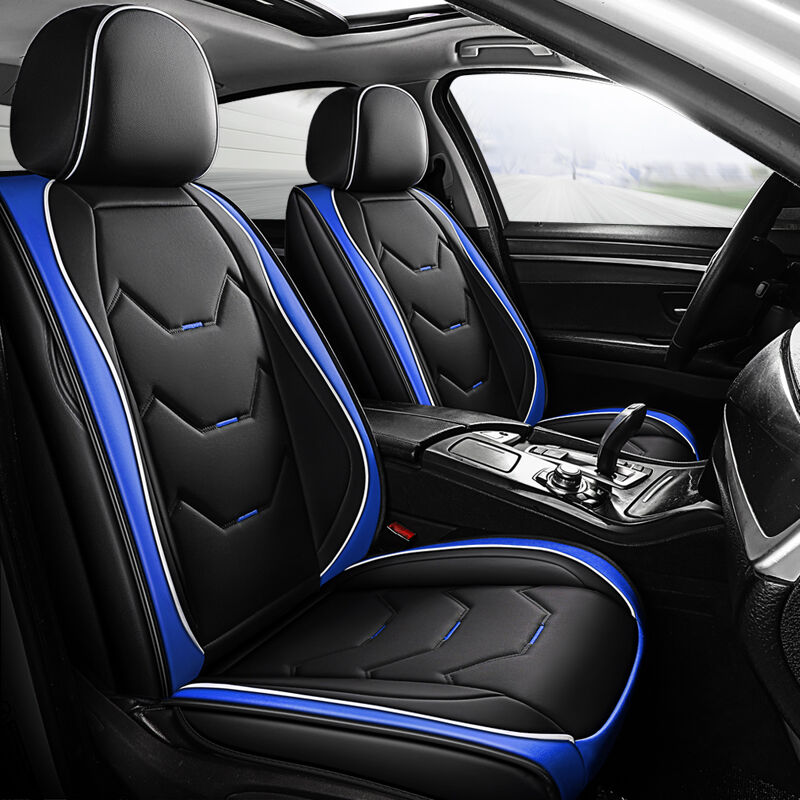
In the competitive wholesale automotive accessories market, product selection decisions carry significant long-term consequences. Wholesalers who supply retailers, dealerships, and fleet operators are constantly evaluated not just on price, but on the staying power of the products they distribute. When it comes to interior protection accessories, choosing a durable car seat cover over cheaper, lower-quality alternatives can define whether a wholesale business thrives or loses accounts to more quality-conscious competitors.
The fabric used in a durable car seat cover is not a secondary specification — it is the core value proposition. Every thread count, every coating treatment, and every material selection decision influences how long the product will last, how well it will sell, and how often customers will return with complaints or, better yet, repeat orders. For wholesalers looking to build sustainable B2B relationships, understanding the strategic importance of fabric durability is not optional — it is essential.
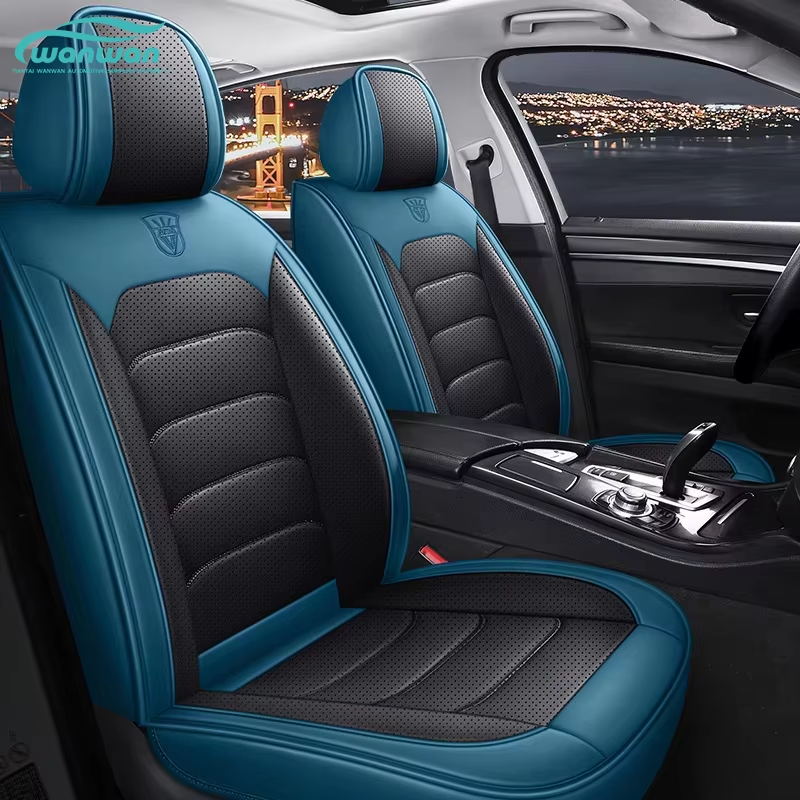
The Business Case for Prioritizing Fabric Quality in Wholesale
How Fabric Durability Drives Repeat Orders and Client Retention
Wholesale distribution depends heavily on reorder cycles. A retailer who receives a batch of low-quality seat covers will face returns, customer complaints, and ultimately lost confidence in their supplier. By contrast, a wholesaler who consistently delivers a durable car seat cover product earns trust that translates into predictable, high-volume reorders. Fabric quality is the silent engine behind this loyalty loop.
When retailers and fleet operators know they can rely on a durable car seat cover to hold up across thousands of entry and exit cycles, temperature extremes, and cleaning routines, they become invested in the product line. That investment flows back to the wholesaler through preferred supplier status, longer contract terms, and reduced pressure to compete purely on price. Quality fabrics justify stronger margins.
In B2B markets, the cost of acquiring a new client is substantially higher than retaining an existing one. Selling a durable car seat cover that consistently performs reduces churn, minimizes after-sale service burdens, and builds the kind of reputation that generates referral business from related market segments such as rental fleets, corporate vehicle programs, and automotive aftermarket chains.
Margin Preservation Through Lower Return Rates
Returns are one of the most damaging financial events in wholesale distribution. When a product fails prematurely — stitching unraveling, fabric pilling, color fading after minimal exposure — the cost of logistics, replacement, and relationship repair cuts deeply into margins. A durable car seat cover built from high-performance fabrics dramatically reduces this risk by simply lasting longer and looking better across the product lifecycle.
Wholesalers who invest in understanding fabric specifications are better positioned to make sourcing decisions that protect their margins. The upfront cost difference between a medium-grade and a high-durability fabric is usually modest compared to the downstream financial protection it provides. A durable car seat cover is not just a product feature — it is a risk management instrument for the wholesale operation.
Key Fabric Properties That Define Durability in Car Seat Covers
Abrasion Resistance and Its Role in Long-Term Performance
Abrasion resistance is arguably the most critical fabric property for any durable car seat cover. Vehicle seats endure constant friction from passengers entering, shifting, and exiting — sometimes hundreds of times per week in commercial or fleet applications. Fabrics that cannot withstand this repeated mechanical stress begin to show wear patterns quickly, undermining the product's perceived value and shortening its commercial lifespan.
High-quality materials such as premium bonded leather, heavy-duty polyester blends, and reinforced microfiber constructions offer superior abrasion resistance. These materials can typically withstand tens of thousands of rub cycles before showing visible degradation, making them ideal for wholesale buyers who want to offer a durable car seat cover with credible performance claims backed by material science rather than marketing language.
When evaluating fabric samples or supplier documentation, wholesalers should request abrasion test data expressed in standard metrics such as Martindale cycles. This data-driven approach to fabric selection ensures that the durable car seat cover products entering the distribution chain genuinely meet the durability threshold that the wholesale market expects.
UV and Heat Stability for Multi-Season Usability
Vehicles are exposed to intense solar radiation and significant temperature fluctuations throughout the year. A durable car seat cover must maintain its structural integrity and visual appearance whether it is installed in a car parked in a summer parking lot or driven through a cold winter commute. Fabrics that lack UV stabilization will fade, crack, or become brittle within months, making them commercially unsuitable for wholesale channels that serve diverse climatic regions.
UV-resistant treatments and heat-stable fabric blends ensure that a durable car seat cover retains its color, flexibility, and surface texture across seasonal extremes. This is particularly important for wholesalers supplying modern city car owners, where vehicles may be parked outdoors for extended periods. Offering a product that maintains its appearance in all seasons is a meaningful competitive advantage that can be highlighted in sales conversations with retail buyers.
Wholesalers should verify that their sourced durable car seat cover products have undergone relevant weathering tests. UV exposure data and thermal cycling reports from credible testing facilities add professional credibility to wholesale product presentations, making it easier to justify premium pricing to retail partners who understand the downstream value of durability claims.
Ease of Cleaning Without Fabric Compromise
End consumers increasingly expect automotive accessories to combine durability with ease of maintenance. A durable car seat cover that requires specialized cleaning agents or delicate handling may be technically long-lasting, but it creates friction in the customer experience. Wholesalers need to consider how cleaning practicality reinforces — or undermines — the perceived durability of the product they distribute.
Fabrics engineered with stain-resistant coatings, moisture-wicking surfaces, and easy-wipe finishes support genuine ease of care without sacrificing material integrity. This combination positions the durable car seat cover as a practical everyday product rather than a premium item that requires excessive attention. Retailers selling into urban markets, particularly for compact and city-oriented vehicles, find this feature highly relevant to their customer base.
Fabric Selection Aligned With Market Segments and Vehicle Categories
Matching Fabric Types to Commercial and Fleet Applications
Fleet operators represent one of the highest-value market segments for wholesale durable car seat cover products. Whether managing taxi fleets, corporate car pools, or rental vehicle inventories, fleet buyers prioritize covers that withstand heavy daily use, resist odor absorption, and maintain a professional appearance across an extended service period. Fabric selection must be aligned with these specific performance demands rather than consumer aesthetics alone.
Heavy-gauge bonded leather and commercial-grade synthetic fabrics are typically the most appropriate choices for fleet-focused durable car seat cover products. These materials combine the visual professionalism that corporate clients expect with the mechanical resilience that daily commercial use demands. Wholesalers who curate their product range to include fleet-grade options can access contracts that deliver significant volume and predictable recurring revenue.
Understanding the specific vehicle types within a target fleet also matters. For modern city vehicles and compact cars, a durable car seat cover must accommodate smaller seat dimensions and tighter cabin ergonomics without compromising fabric performance. Fully surrounded designs that maintain shape and coverage under active use are particularly valued in these segments, offering wholesalers a product story that resonates with both fleet managers and urban retail customers.
Satisfying Consumer Expectations in Retail-Facing Wholesale Channels
When wholesalers supply retail channels, end consumer expectations become an indirect but powerful force shaping procurement decisions. Modern car owners, particularly in urban environments, want a durable car seat cover that looks stylish, feels premium, and lasts well beyond the typical lifecycle of cheaper alternatives. Fabric quality is what bridges the gap between these consumer expectations and the retail products that wholesalers choose to put into the supply chain.
Retail buyers frequently make sourcing decisions based on anticipated consumer satisfaction rates and review performance on online marketplaces. A wholesaler who consistently supplies a durable car seat cover with high-quality fabric construction enables retail partners to maintain strong product ratings, low return rates, and positive word-of-mouth. This virtuous cycle reinforces the retailer's preference for the wholesaler's product line, creating a stable and growing revenue relationship.
Stylistic versatility is also a fabric consideration. A durable car seat cover that is available in textures, finishes, and colorways appropriate for modern vehicle interiors gives retail buyers more merchandising flexibility. This flexibility translates into broader shelf presence and higher sell-through rates, which are metrics that retail buyers use when deciding how much volume to commit to a wholesale supplier in their next purchasing cycle.
Risk Management and Long-Term Wholesale Strategy Through Fabric Standards
Setting Minimum Fabric Standards as a Procurement Policy
Wholesalers who operate without defined fabric quality standards are essentially accepting variable product performance as a business condition. This variability creates unpredictable return rates, inconsistent client satisfaction, and difficulty building a coherent product story for sales teams to communicate. Establishing minimum fabric specifications for all sourced durable car seat cover products removes this variability and replaces it with a quality floor that protects the wholesale business.
A minimum fabric standard might include defined thresholds for abrasion resistance, UV exposure performance, tensile strength, and moisture resistance. When these standards are applied systematically during supplier evaluation and product sourcing, the resulting durable car seat cover inventory reflects a consistent quality level that both retail partners and end consumers can rely on. This consistency is itself a competitive advantage in markets where product reliability is variable.
Building fabric quality standards into supplier contracts and purchase order documentation formalizes this commitment and creates accountability throughout the supply chain. Wholesalers who take this approach are better equipped to respond to client quality audits, online marketplace performance reviews, and the growing expectation among B2B buyers for documented product performance data.
Positioning Fabric Durability as a Sales and Marketing Asset
In the wholesale market, product differentiation often comes down to the story a sales team can tell. A durable car seat cover backed by verifiable fabric performance data, material certifications, and demonstrated multi-season reliability gives wholesale sales representatives a substantive and credible narrative. This is fundamentally more effective than competing on price discounts alone, which erode margins without building meaningful client loyalty.
Marketing materials, product data sheets, and trade show presentations that feature fabric durability metrics help wholesale buyers communicate value to their own customers downstream. When a retail buyer can point to objective performance data when recommending a durable car seat cover to their end consumers, it elevates the entire distribution chain. This downstream credibility increases the likelihood that retail buyers will continue prioritizing the wholesaler's product range when expanding their inventory.
Fabric durability also supports premium pricing strategies. A durable car seat cover that demonstrably outperforms low-cost alternatives in abrasion tests, UV stability assessments, and real-world usage feedback commands a higher unit price. For wholesalers focused on margin quality rather than volume discounting, positioning fabric performance as a central product attribute is a commercially intelligent strategy that supports long-term business sustainability.
FAQ
What makes a car seat cover fabric genuinely durable for wholesale distribution?
A genuinely durable car seat cover fabric performs consistently across multiple stress dimensions including mechanical abrasion, UV exposure, temperature cycling, moisture contact, and cleaning frequency. Wholesalers should evaluate materials using standardized test data rather than relying on general material descriptions. Fabrics with documented abrasion resistance ratings, UV stability certifications, and tensile strength specifications are the most defensible choice for wholesale channels that serve demanding commercial and retail markets.
How does fabric quality in car seat covers affect wholesale client retention?
Fabric quality directly influences the return rate, customer satisfaction, and reorder frequency that wholesale clients experience. When a durable car seat cover consistently meets or exceeds end-user performance expectations, retail buyers and fleet operators are more likely to maintain and expand their purchasing relationship with the supplying wholesaler. Poor fabric quality creates the opposite dynamic — generating returns, complaints, and ultimately supplier replacement decisions that are costly for the wholesale business to recover from.
Are there specific fabric types wholesalers should prioritize for durable car seat covers?
Premium bonded leather, reinforced microfiber, and heavy-duty polyester blends are among the most commercially relevant fabric categories for a durable car seat cover destined for wholesale channels. Each material category has distinct performance strengths, and the ideal choice depends on the target market segment — fleet applications typically favor heavy synthetic constructions, while retail-facing channels may prioritize materials that combine durability with a premium aesthetic. Wholesalers benefit from carrying options across these categories to serve diverse buyer needs.
How should wholesalers communicate fabric durability to their retail and fleet buyers?
The most effective approach is to combine material specification documentation with practical performance narratives. Providing retail and fleet buyers with test data summaries, material certification documents, and real-world usage examples makes the durability value of a durable car seat cover tangible and credible. Sales teams should be trained to reference specific fabric performance attributes — such as abrasion cycle ratings or UV resistance test outcomes — as part of routine product presentations rather than relying on general quality claims that buyers cannot independently verify.
Table of Contents
- The Business Case for Prioritizing Fabric Quality in Wholesale
- Key Fabric Properties That Define Durability in Car Seat Covers
- Fabric Selection Aligned With Market Segments and Vehicle Categories
- Risk Management and Long-Term Wholesale Strategy Through Fabric Standards
-
FAQ
- What makes a car seat cover fabric genuinely durable for wholesale distribution?
- How does fabric quality in car seat covers affect wholesale client retention?
- Are there specific fabric types wholesalers should prioritize for durable car seat covers?
- How should wholesalers communicate fabric durability to their retail and fleet buyers?