 EN
EN

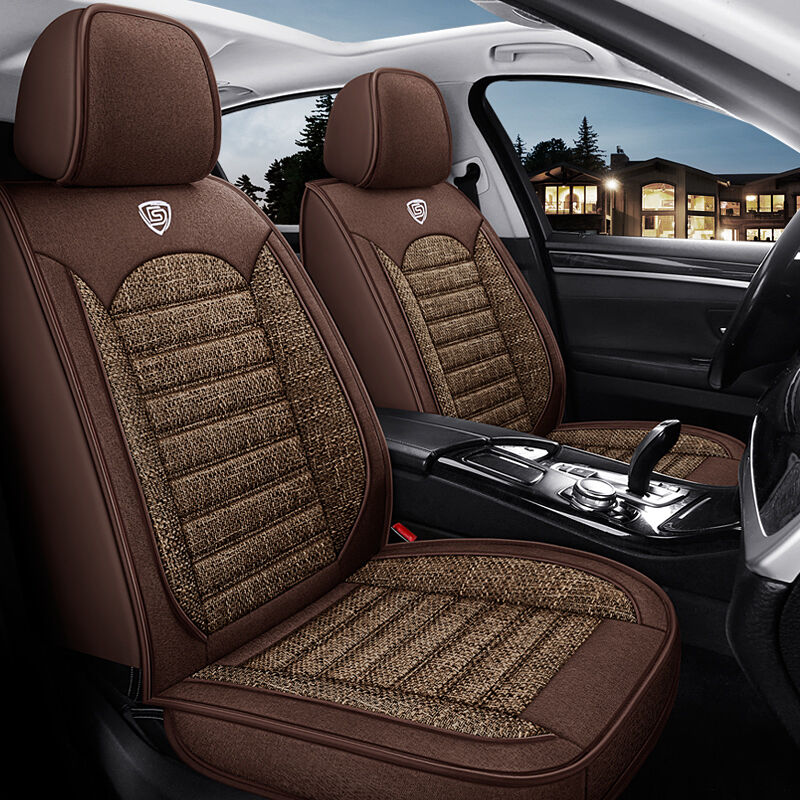
When sourcing fabric car seat covers at scale, procurement professionals and B2B buyers face a challenge that goes far beyond aesthetics. The automotive accessories market is flooded with products that look appealing in catalog photos yet fail to meet the durability, comfort, and compliance standards demanded by fleet operators, retailers, and automotive service businesses. Understanding how to evaluate quality before committing to a bulk purchase is not just a cost-saving exercise — it is a strategic necessity that protects brand reputation and end-user satisfaction.
The demand for fabric car seat covers continues to grow across automotive retail, rental fleets, ride-sharing platforms, and corporate vehicle management programs. However, not all products marketed under this category deliver consistent performance. This article provides a structured, practical methodology for B2B buyers to assess the quality of fabric car seat covers across material composition, construction integrity, functional fit, safety compliance, and long-term value — enabling smarter purchasing decisions and stronger supplier relationships.
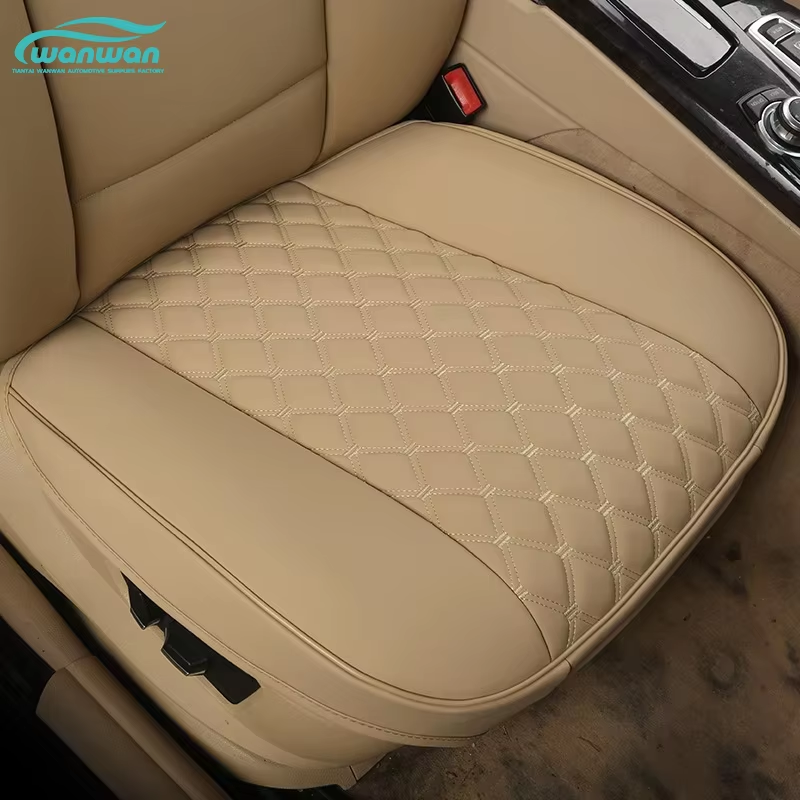
Understanding Fabric Composition and Material Quality
The Role of Fabric Type in Long-Term Performance
The foundation of any quality assessment for fabric car seat covers begins with the raw material. Fabric in this context spans a wide range of textiles — polyester blends, linen composites, jacquard weaves, velvet variants, and technical mesh materials. Each fabric type carries different performance characteristics related to breathability, abrasion resistance, UV tolerance, and moisture management. B2B buyers must understand these distinctions clearly before evaluating supplier samples.
Polyester-based fabric car seat covers are among the most widely used in commercial contexts because of their dimensional stability, resistance to shrinkage, and relatively low cost at scale. However, not all polyester is equal — thread count, weave density, and finishing treatments dramatically affect how the material performs under daily use. A high-quality polyester fabric will resist pilling, maintain color fastness across repeated cleaning cycles, and withstand exposure to body oils and sweat without degrading structurally.
When reviewing fabric samples from suppliers, B2B buyers should request material specification sheets that disclose fiber content percentages, yarn weight, and any surface treatments applied. This documentation allows buyers to make objective comparisons across suppliers rather than relying solely on tactile impressions, which can be misleading at initial inspection.
Evaluating Fabric Density and Weave Structure
Fabric density — typically expressed in grams per square meter (GSM) — is one of the most reliable indicators of quality in fabric car seat covers. Lower GSM materials tend to be thin, prone to tearing, and less effective at providing cushioning or insulation. For B2B purposes, where product durability directly affects end-user retention and brand perception, a minimum GSM threshold should be established as part of the procurement specification.
Weave structure also plays a significant role. Tight, uniform weaves indicate controlled manufacturing and tend to perform better in terms of seam stress distribution and shape retention. Loose or irregular weaves may feel soft initially but are more susceptible to snags, stretching, and uneven wear. When examining fabric samples, buyers should inspect the weave under magnification if possible and look for consistent thread alignment and density across the entire sample area.
For fabric car seat covers intended for high-use environments such as rental fleets or commercial vehicles, the weave structure should also be assessed for its ability to withstand repeated fitting and removal. Materials that lose shape quickly or develop localized wear patterns near securing points represent a liability in B2B supply chains where product consistency is expected across thousands of units.
Construction Quality and Stitching Standards
Seam Integrity as a Quality Indicator
Even when the base fabric of seat covers is high quality, poor construction can render a product unfit for commercial use. Seam integrity is one of the most critical construction factors in evaluating fabric car seat covers. Seams that are poorly aligned, inadequately reinforced, or stitched with insufficient thread tension will fail under the mechanical stress of daily use — particularly at high-load points such as the backrest perimeter and the seat base edges.
B2B buyers should examine stitching density, which is typically measured in stitches per inch (SPI). A higher SPI generally indicates stronger, more durable seams for fabric car seat covers used in demanding environments. Double-stitched or overlocked seam finishes are strong indicators of a manufacturer's commitment to durability, and their presence on a sample product should be considered a positive quality signal.
Thread quality matters as much as stitching technique. Industrial-grade polyester threads offer better tensile strength and UV resistance than low-cost alternatives. Buyers should ask suppliers to specify thread type and confirm that thread coloring is solution-dyed rather than surface-dyed, as solution-dyed threads resist fading and color migration far more effectively under prolonged sunlight exposure inside vehicles.
Foam Padding and Internal Layer Assessment
Many high-quality fabric car seat covers incorporate internal foam or padding layers to enhance comfort and protect the original seat upholstery. The quality of these internal components is just as important as the outer fabric layer and should be evaluated independently. Foam density, recovery speed, and heat resistance are key properties that differentiate premium padding from low-grade alternatives.
In a B2B evaluation context, buyers should request cross-section samples that reveal the internal construction of the product. A reputable supplier will readily provide such samples and be able to specify the foam density in kilograms per cubic meter (kg/m³). For fabric car seat covers intended for use in climates with high temperature variation, foam materials should also demonstrate adequate thermal stability to prevent compression set or delamination.
Internal layer bonding is another area worth scrutinizing. Fabric car seat covers that use adhesive bonding rather than mechanical stitching to attach internal foam layers are more susceptible to delamination over time, particularly in high-humidity environments. Mechanical attachment or high-frequency welding processes are generally more durable and indicate a higher tier of manufacturing investment.
Fit Precision and Universal Compatibility
Pattern Engineering and Dimensional Accuracy
One of the most practical quality factors for fabric car seat covers in B2B purchasing is how accurately the product fits a range of vehicle seat configurations. Universal-fit designs are commercially attractive because they reduce SKU complexity and inventory costs, but they must be engineered carefully to maintain a secure, professional appearance across a wide variety of seat shapes. Poorly designed universal covers look untidy, shift during use, and can interfere with seat adjustment mechanisms.
Quality universal fabric car seat covers rely on pattern engineering that incorporates stretch zones, elastic bands, and strategically placed anchor points to accommodate dimensional variation without compromising appearance or function. B2B buyers should physically test samples on multiple vehicle seat types within their target market and assess how the cover responds to seat recline adjustments, headrest removal and reattachment, and passenger entry and exit.
Dimensional consistency across production batches is equally important. A well-engineered pattern that is executed inconsistently due to poor manufacturing controls will produce high variation in fit quality between units. Requesting third-party dimensional inspection reports or conducting incoming quality control checks on initial shipments is a prudent strategy for B2B buyers managing large-volume orders of fabric car seat covers.
Securing Mechanisms and Installation Reliability
The securing mechanisms on fabric car seat covers — including elastic hooks, straps, tie-downs, and anti-slip backing materials — are critical to ensuring the product stays in place under real-world use conditions. In fleet or commercial applications where covers may be removed and reinstalled frequently, these components must maintain their functional integrity across hundreds of use cycles.
Elastic quality degrades over time if low-grade rubber compounds are used, leading to loosening and poor fit. Buyers should inquire about the elasticity retention specifications of securing bands and request accelerated aging test data where available. Metal hooks should be corrosion-resistant, ideally zinc-plated or stainless steel, to prevent rust staining on original seat fabric.
Anti-slip backing is a safety-related feature that is often underspecified in lower-quality fabric car seat covers. The backing material should create sufficient friction against the seat surface to prevent lateral movement during driving. Silicone-pattern anti-slip backing is generally more durable and effective than smooth rubberized coatings, which can harden and lose grip over time especially under heat cycling conditions common inside parked vehicles.
Safety Compliance and Certification Requirements
Airbag Compatibility and Safety Standards
For B2B buyers supplying fabric car seat covers to automotive retailers, fleet operators, or OEM-adjacent channels, safety compliance is non-negotiable. The most critical safety consideration is side airbag compatibility. Modern vehicles increasingly incorporate side-impact airbag systems integrated into the seat structure, and fabric car seat covers that impede airbag deployment pose serious liability risks.
Quality-conscious manufacturers design fabric car seat covers with dedicated airbag seam splits — areas of the cover that are engineered to rupture predictably when an airbag deploys. These seams must be validated through standardized testing to ensure that airbag deployment time and direction are not materially affected by the presence of the cover. B2B buyers should require written documentation from suppliers confirming airbag compatibility and ideally request test reports issued by accredited testing facilities.
Beyond airbag compliance, B2B buyers should verify that fabric car seat covers meet regional flame retardancy standards relevant to their target markets. FMVSS 302 in North America and ECE R118 in Europe are examples of applicable standards that regulate the burning rate of interior vehicle materials. Compliance with these standards should be evidenced by third-party test certificates, not merely supplier declarations.
Chemical Safety and Textile Certifications
Fabric car seat covers are in prolonged direct contact with vehicle occupants, making chemical safety a meaningful consideration in B2B procurement. Buyers should verify whether the products comply with REACH regulations in the European Union, which restrict the use of hazardous substances in textile products. OEKO-TEX Standard 100 certification is another widely recognized benchmark that confirms a textile product has been tested for harmful substances across the entire production chain.
For markets with particularly stringent chemical safety expectations — such as children's vehicle accessories or healthcare transport applications — buyers should conduct due diligence on heavy metal content, formaldehyde levels, and phthalate content in the fabric and any accessory components. Requesting full test reports rather than relying on certificate copies alone provides a higher level of assurance, particularly when onboarding new suppliers for fabric car seat covers.
Documentation consistency and traceability are markers of a mature supplier. A supplier capable of providing consistent, up-to-date third-party certification reports across multiple test standards demonstrates manufacturing discipline and commitment to international market compliance — qualities that reduce downstream risk for B2B buyers managing multi-market distribution of fabric car seat covers.
Supplier Evaluation and Sample Validation Process
Establishing a Structured Sample Assessment Protocol
Identifying high-quality fabric car seat covers at scale requires more than reviewing product photos and reading specification sheets. B2B procurement professionals should develop a structured sample assessment protocol that systematically evaluates each quality dimension discussed in this article before finalizing supplier selection or placing volume orders. This protocol should include physical inspection criteria, functional testing procedures, and documentation verification checklists.
Physical inspection should cover fabric hand feel and surface appearance, seam construction quality, internal layer integrity, dimensional conformance, and securing mechanism function. Functional testing should include fit evaluation on target vehicle seats, wash and abrasion resistance trials, and where relevant, accelerated UV exposure testing. Documentation verification should confirm that all claimed certifications are current, issued by recognized third parties, and applicable to the specific product being ordered.
Sample evaluation should be conducted on at least three to five production-representative units rather than a single curated showcase sample. Production-representative samples reveal the actual manufacturing consistency that buyers can expect in bulk orders of fabric car seat covers, and any significant quality variation between individual samples should raise concerns about production process control at the supplier level.
Long-Term Supplier Relationship and Quality Maintenance
Securing a reliable supply of high-quality fabric car seat covers is not a one-time exercise — it requires ongoing supplier engagement and quality monitoring. B2B buyers should establish clear product specifications and quality acceptance criteria as part of formal supply agreements, along with provisions for pre-shipment inspection and batch sampling. These measures create accountability and reduce the risk of quality drift over successive production runs.
Regular communication with supplier quality teams, periodic factory audits, and structured feedback loops based on end-market performance data all contribute to maintaining product quality standards over time. Suppliers who demonstrate responsiveness to quality feedback and a willingness to invest in process improvements are valuable long-term partners for organizations that depend on consistent quality in their fabric car seat covers offering.
Ultimately, the ability to identify and maintain a reliable source of high-quality fabric car seat covers gives B2B buyers a meaningful competitive advantage — reducing product returns, strengthening downstream customer relationships, and enabling confident market expansion into channels where product quality standards are uncompromising.
FAQ
What GSM range is recommended for commercial-grade fabric car seat covers?
For commercial and fleet applications, fabric car seat covers with a GSM of 280 or above generally offer sufficient durability for daily use. Higher GSM values indicate denser, more robust fabric construction that resists wear, tearing, and shape deformation over time. For lighter retail applications, products in the 220–280 GSM range may be acceptable, but buyers should always validate this against intended use conditions and expected product lifespan.
How can B2B buyers verify airbag compatibility claims for fabric car seat covers?
The most reliable method is to request independent test reports from accredited automotive testing laboratories confirming that the fabric car seat covers have been evaluated for side airbag deployment compliance. Supplier self-declarations alone are insufficient for safety-critical claims. Buyers should also physically inspect samples for the presence of dedicated airbag seam splits and confirm that these align correctly with the airbag exit points of target vehicle seat models.
What certifications should B2B buyers prioritize when sourcing fabric car seat covers for European markets?
For European market distribution, B2B buyers sourcing fabric car seat covers should prioritize REACH compliance documentation, OEKO-TEX Standard 100 certification, and ECE R118 flame retardancy test reports. These certifications address chemical safety, textile harmlessness, and fire behavior respectively — covering the primary regulatory requirements across major European automotive accessory markets. Verifying that certificates are current and product-specific is essential.
How many sample units should be evaluated before approving a new supplier for fabric car seat covers?
A minimum of three to five production-representative samples per SKU is recommended before approving a new supplier. This quantity provides a meaningful baseline for assessing manufacturing consistency in fabric car seat covers. If initial samples show notable variation in dimensions, stitching quality, or material properties, the sample size should be increased and a factory audit considered before any commitment to bulk ordering is made.
Table of Contents
- Understanding Fabric Composition and Material Quality
- Construction Quality and Stitching Standards
- Fit Precision and Universal Compatibility
- Safety Compliance and Certification Requirements
- Supplier Evaluation and Sample Validation Process
-
FAQ
- What GSM range is recommended for commercial-grade fabric car seat covers?
- How can B2B buyers verify airbag compatibility claims for fabric car seat covers?
- What certifications should B2B buyers prioritize when sourcing fabric car seat covers for European markets?
- How many sample units should be evaluated before approving a new supplier for fabric car seat covers?