 EN
EN

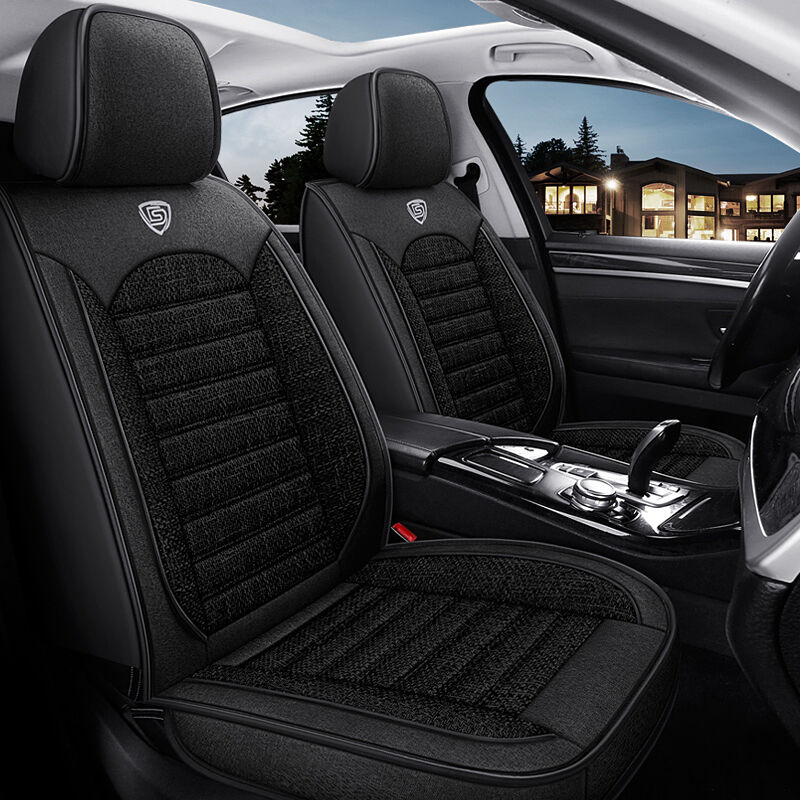
When drivers and passengers think about comfort during long rides, the interior of the vehicle plays a much larger role than most people realize. Among the various elements that define how comfortable a ride feels, the material used in car seat covers stands out as one of the most consequential choices a vehicle owner can make. The fabric is not merely a cosmetic decision — it directly affects how your body interacts with the seat surface during every single journey.
Understanding how different fabrics affect comfort helps vehicle owners make smarter purchasing decisions. Whether you drive daily in a hot climate, spend hours on highways, or use your vehicle for occasional weekend errands, the material of your car seat covers will influence temperature regulation, skin feel, moisture handling, and long-term support. This article breaks down exactly how fabric choice drives comfort outcomes across all these dimensions, so you can select the right option for your specific driving conditions.
The Direct Relationship Between Fabric and Physical Comfort
How Material Texture Affects Skin Contact and Sensation
The most immediate form of comfort you experience from car seat covers is tactile — the physical sensation of the fabric against your skin or clothing. Rough, coarse materials create friction that can be irritating during long drives, particularly for passengers wearing shorts or light clothing. Smooth, fine-woven materials, on the other hand, create a low-friction surface that reduces physical discomfort over extended periods.
Soft fabrics also play a role in reducing pressure point discomfort. When a seat cover material lacks sufficient give, it transmits more pressure from the seat's rigid structure to the body. A material with some natural softness or cushioning quality absorbs and distributes that pressure more evenly. This is why the choice of fabric for car seat covers has a measurable effect on fatigue levels during long-distance drives.
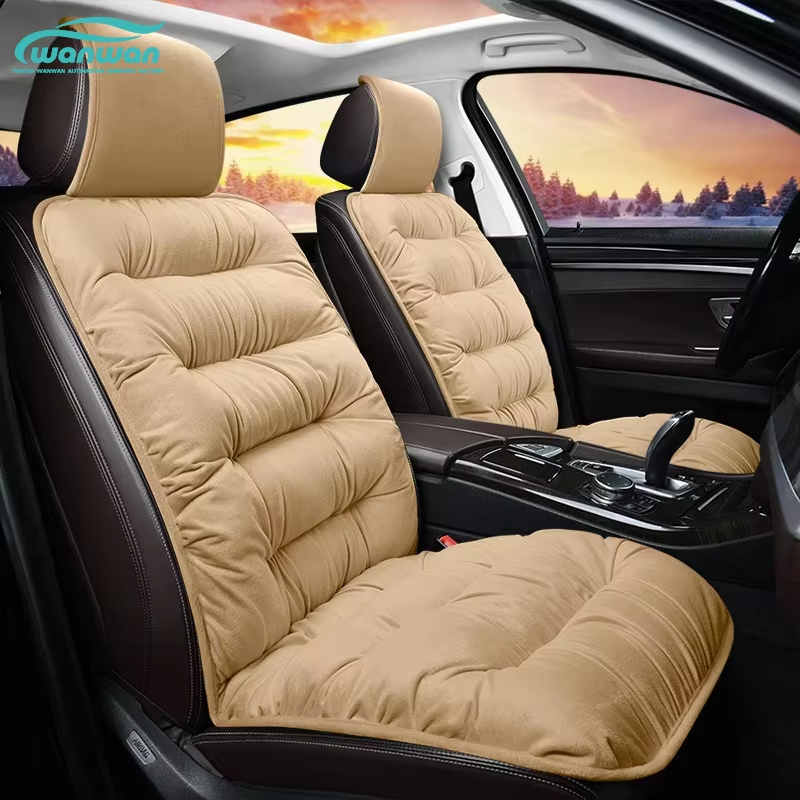
Fabric pile depth also matters. Materials with a slightly raised surface, like certain microfiber or velvet-finish options, provide a subtle cushioning effect that smooth hard-surface materials simply cannot replicate. For drivers who spend several hours a day in their vehicles, this difference in texture is not trivial.
Weight and Flexibility of Fabric as Comfort Factors
Heavier, stiffer fabrics can restrict natural body movement within the seat. When car seat covers are made from inflexible materials, they tend to bunch, shift, or resist your movements rather than conforming to them. This creates a subtle but persistent source of discomfort, especially during longer trips where the body naturally shifts position multiple times.
Lightweight, flexible fabric options contour to the seat and to the body more naturally. They move with the driver rather than against them, which significantly reduces the fatigue associated with repetitive micro-adjustments that the body makes when it feels constrained. The best car seat covers combine just enough structural integrity to stay in place with enough flexibility to accommodate natural movement.
Temperature Regulation and Breathability by Fabric Type
Why Breathability Is Central to Comfort in Car Seat Covers
One of the most significant ways fabric affects comfort in car seat covers is through its impact on temperature. When a seat cover traps heat, the driver's core temperature rises, leading to sweating, discomfort, and reduced concentration. In hot climates or during summer driving, this effect is amplified dramatically. Breathable fabrics allow air to circulate between the body and the seat surface, preventing heat buildup.
Fabrics with open weave structures or moisture-wicking properties actively pull heat and perspiration away from the body. This creates a far more comfortable seating experience compared to materials that seal off the surface entirely. The difference between breathable and non-breathable car seat covers is most apparent during the first few minutes of entering a hot vehicle — a breathable cover normalizes much faster than a heat-absorbing one.
For year-round comfort, the ideal car seat covers must balance breathability in summer with a degree of warmth retention in colder conditions. Some advanced fabric blends achieve this balance by combining layers with different thermal properties, allowing the cover to adapt to varying temperatures without requiring seasonal replacement.
How Different Fabric Materials Respond to Heat and Cold
Natural and synthetic fabrics respond to temperature in fundamentally different ways. Materials with low thermal conductivity tend to feel warmer in winter but can trap heat uncomfortably in summer. Conversely, certain materials with higher thermal conductivity feel cool to the touch but may feel cold during winter months. Understanding this spectrum helps in selecting car seat covers that are appropriate for the dominant climate in which the vehicle is used.
Fabric thickness is also a key variable. Thicker materials create more insulation, which is beneficial in cold weather but counterproductive in heat. Thin, tightly woven fabrics offer less insulation but maintain better airflow. For drivers in climates with extreme seasonal variation, multi-layer car seat covers that combine a breathable outer surface with adjustable insulation properties can deliver comfort across all seasons without compromise.
Moisture Management and Its Role in Long-Term Seating Comfort
The Impact of Moisture Absorption on Comfort During Drives
Perspiration is an unavoidable reality for any driver, particularly during warm weather or physical exertion before entering the vehicle. The way a car seat cover fabric handles moisture has a direct bearing on comfort. Fabrics that absorb moisture quickly and spread it across a wider surface area for faster evaporation help maintain a dry, comfortable seating experience. Fabrics that allow moisture to pool at the contact point create a clammy, unpleasant sensation that worsens over time.
Moisture management also affects hygiene and odor control over the long term. Car seat covers made from fabrics with poor moisture-wicking properties can develop odors more quickly, creating an environment that detracts from the overall in-cabin experience. Choosing a fabric with proven moisture control properties is therefore not just a comfort decision — it is a hygiene decision as well.
Washability and Maintenance as Extensions of Comfort
A car seat cover that becomes difficult to clean loses its comfort contribution over time. Fabrics that attract pet hair, trap dust, or absorb spills permanently create a degraded surface that feels less clean and less pleasant. Maintenance-friendly fabrics that resist staining, clean easily, and maintain their original texture after washing preserve the comfort profile of the cover throughout its lifespan.
The ability to wash and restore car seat covers to a clean, fresh state without degrading the material's properties is a critical factor in sustained comfort. Fabrics that shrink, harden, or lose softness after washing quickly become uncomfortable. When evaluating car seat covers, it is worth considering not just how the material feels when new, but how well it will retain those qualities after regular cleaning cycles.
Wash-free or easy-care fabric technologies have emerged in the market to address this challenge directly. These materials are engineered to resist surface contamination so that wiping them clean is sufficient for routine maintenance, reducing the frequency of full washes while keeping the seat surface feeling fresh and comfortable over time.
Durability of Fabric and Its Effect on Comfort Over Time
How Material Degradation Reduces Comfort
Even a fabric that delivers exceptional comfort when new can become a source of discomfort as it wears down. Fabrics that pill, thin out, or develop rough patches over time transition from a comfortable surface to an irritating one. This degradation is particularly problematic in high-contact zones such as the seat base and lower backrest, where material fatigue occurs fastest.
Choosing high-durability fabrics for car seat covers means the material retains its structural integrity and surface quality for a longer period. Durability-focused fabrics maintain their pile height, softness, and dimensional stability even after thousands of hours of use and exposure to UV radiation, temperature fluctuations, and cleaning agents. This means the comfort you experience on day one is much closer to the comfort you experience after two or three years of regular use.
Seasonal and Universal Fabric Suitability for Consistent Comfort
Many vehicle owners prefer car seat covers that do not need to be swapped between seasons. Fabrics engineered for universal, four-season use are designed to remain comfortable whether temperatures drop below freezing or rise above 40 degrees Celsius. These materials typically feature multi-functional surface properties that balance thermal behavior, moisture management, and tactile comfort across a wide range of environmental conditions.
Universal fabric suitability is a significant comfort advantage because it eliminates the transition period where a cover feels wrong for the current season. It also reduces the wear and tear that comes from frequent installation and removal, helping the material maintain its comfort properties for longer. For most everyday drivers, car seat covers with proven all-season fabric performance represent the most practical and comfortable long-term choice.
FAQ
What fabric is most comfortable for car seat covers in hot weather?
In hot weather, breathable and moisture-wicking fabrics are the most comfortable choices for car seat covers. Materials that allow air circulation and draw perspiration away from the skin prevent heat buildup and maintain a drier, more comfortable seating surface. Lightweight, open-weave fabric structures tend to perform best in high-temperature conditions.
Do car seat covers made from thicker fabrics always provide more comfort?
Not necessarily. While thicker fabrics offer more cushioning and insulation, they can also trap heat and restrict airflow, which reduces comfort in warm conditions. The ideal thickness depends on the climate and the specific comfort need being addressed. Thicker materials work well in cold-weather environments, while thinner, more flexible fabrics often provide superior comfort in warmer settings.
How does fabric affect the durability and long-term comfort of car seat covers?
Fabric quality directly determines how long car seat covers retain their comfort properties. High-quality materials resist pilling, thinning, and surface hardening over time, which means the cover continues to feel comfortable after extended use. Lower-quality fabrics degrade faster and can shift from a comfortable surface to an irritating one, undermining the original comfort investment.
Are easy-care or wash-free car seat covers as comfortable as traditional fabric covers?
Yes, modern easy-care and wash-free car seat covers can deliver comparable or even superior comfort to traditional fabric options. These materials are engineered to resist contamination at the surface level while maintaining softness, breathability, and flexibility. The added benefit is that they remain cleaner for longer without requiring disassembly and machine washing, which helps preserve the material's comfort properties over time.
Table of Contents
- The Direct Relationship Between Fabric and Physical Comfort
- Temperature Regulation and Breathability by Fabric Type
- Moisture Management and Its Role in Long-Term Seating Comfort
- Durability of Fabric and Its Effect on Comfort Over Time
-
FAQ
- What fabric is most comfortable for car seat covers in hot weather?
- Do car seat covers made from thicker fabrics always provide more comfort?
- How does fabric affect the durability and long-term comfort of car seat covers?
- Are easy-care or wash-free car seat covers as comfortable as traditional fabric covers?