 EN
EN

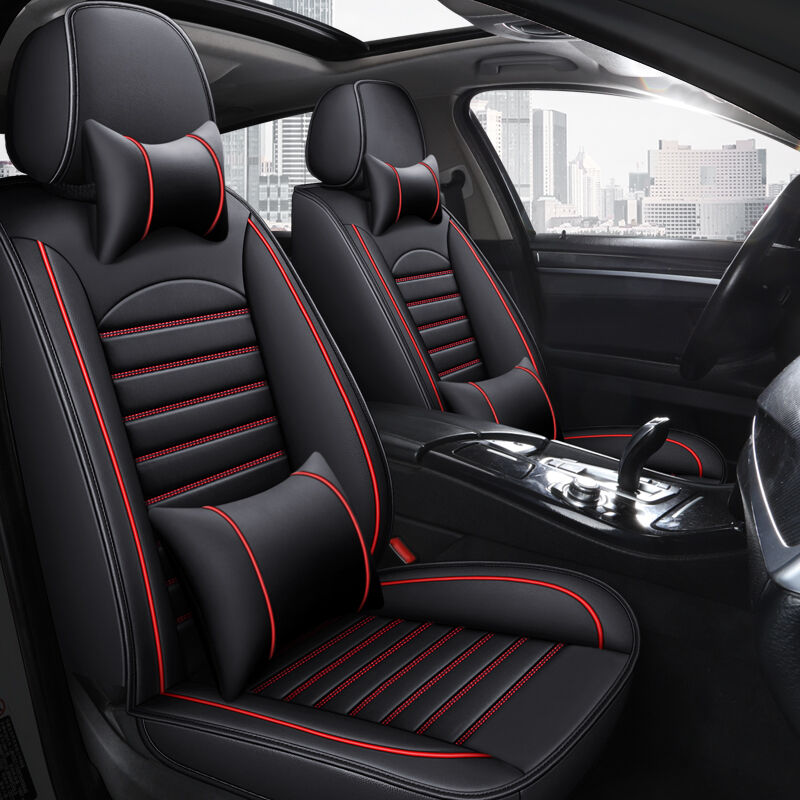
When managing a commercial fleet, every operational decision carries financial and practical weight. From fuel efficiency to vehicle maintenance schedules, fleet managers are constantly looking for ways to extend asset life, reduce costs, and maintain a professional appearance across dozens or even hundreds of vehicles. One often-overlooked investment that delivers disproportionate value is the choice of interior protection — specifically, the choice of fabric car seat covers. The preference for fabric over alternative materials in fleet applications is not a matter of aesthetics alone — it reflects a deeper understanding of operational demands, driver comfort, and total cost of ownership.
Commercial fleets operate under conditions that are far more demanding than personal vehicle use. Drivers cycle in and out of vehicles throughout the day, equipment and tools are frequently loaded alongside occupants, and vehicles may operate across extreme temperature ranges. In these environments, fabric car seat covers have emerged as a practical, durable, and cost-effective solution. Understanding exactly why fleet operators consistently choose fabric over leather, vinyl, or synthetic alternatives requires a careful look at the real-world factors that shape fleet vehicle management.
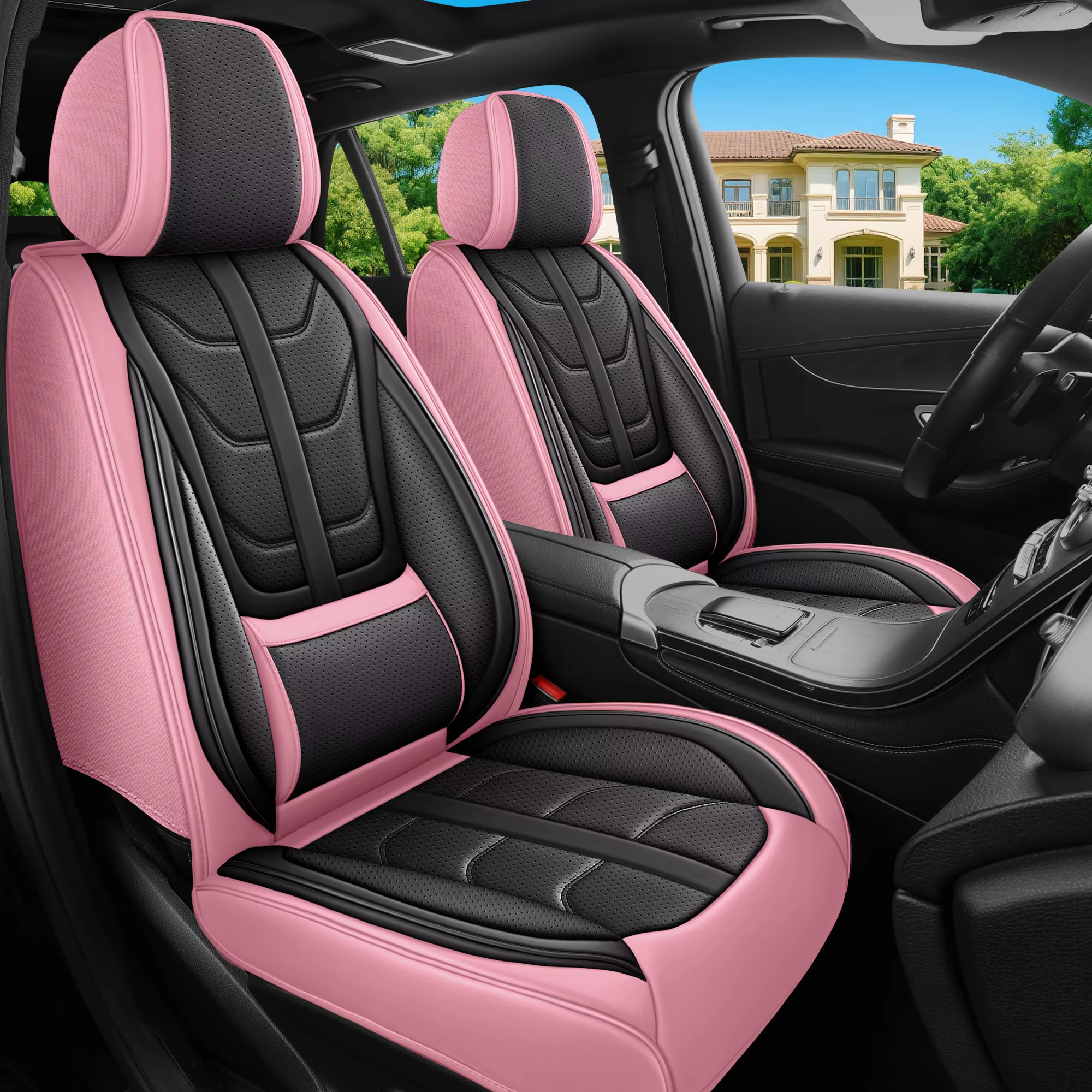
The Practical Durability Advantage of Fabric in Fleet Environments
Withstanding High-Frequency Use Cycles
Commercial fleet vehicles are not driven occasionally — they accumulate mileage and occupant cycles at a rate that would rapidly degrade unprotected or poorly protected seating. Fabric car seat covers are engineered to handle this intensity. Their woven construction distributes stress across thousands of interlocking threads rather than concentrating it at surface pressure points, which means repeated entry and exit movements cause far less cumulative wear compared to smooth-surface alternatives.
Fleet operators managing delivery vehicles, service vans, or corporate transport pools report that fabric car seat covers maintain structural integrity and appearance far longer under continuous use conditions. The material's inherent flexibility allows it to conform to occupant movement without cracking, peeling, or developing stress marks — issues commonly observed with vinyl or lower-grade synthetic covers after months of intensive use.
For fleets where resale value matters, maintaining the condition of original upholstery beneath the covers is equally important. Fabric car seat covers create a protective buffer that absorbs the daily punishment of commercial use, preserving the underlying seat structure and extending the vehicle's interior lifespan significantly.
Resistance to the Rigors of Multi-Driver Operation
Unlike personal vehicles driven by a single occupant who naturally treats the interior with consistent care, fleet vehicles change hands across multiple drivers daily. This multi-driver reality introduces variables that are difficult to control — different body weights, varying sitting postures, inconsistent footwear, and differing levels of care. Fabric car seat covers provide a standardized layer of protection that normalizes wear across all these variables.
The textured surface of fabric car seat covers also provides natural grip, which reduces the tendency for drivers to slide or readjust constantly during operation. This subtle feature contributes to driver stability and comfort, which in turn supports safer and more attentive driving across long shifts. Fleet safety managers often cite driver comfort as a secondary but important factor when specifying interior equipment.
Comfort Across All Seasons and Climate Conditions
Thermal Comfort in Extreme Temperatures
One of the most compelling reasons fleet operators prefer fabric car seat covers is their natural thermal regulation. In summer conditions, vehicles parked outdoors accumulate extreme cabin heat. Leather and vinyl surfaces can reach temperatures that make immediate seating uncomfortable or even harmful for bare skin. Fabric, by contrast, does not absorb and retain radiant heat in the same way. Its breathable, porous structure allows air circulation that keeps surface temperatures considerably lower.
In cold weather, fabric car seat covers do not transmit the bone-chilling cold that smooth synthetic surfaces generate during winter mornings. Drivers entering vehicles in cold climates can sit down immediately without the discomfort of frigid surface contact, which is particularly relevant for fleet drivers who make multiple stops per shift and cannot afford time delays caused by waiting for surfaces to reach acceptable temperatures.
For fleets operating across diverse geographic regions or in climates with significant seasonal variation, fabric car seat covers deliver all-season thermal comfort that leather and vinyl simply cannot match without additional heating or cooling technologies. This makes fabric the universal-fit choice for fleet standardization across multiple operating environments.
Ergonomic Support During Extended Driving Shifts
Commercial fleet drivers frequently work extended shifts that involve continuous seating. The ergonomic properties of the seat cover material directly impact driver fatigue, back health, and long-term occupational well-being. Fabric car seat covers, particularly those with padded or contoured designs, distribute body weight more evenly and reduce pressure concentration at the seat pan and lumbar regions.
The breathability of fabric prevents the perspiration buildup that smooth-surface materials cause during long periods of seated operation. Moisture accumulation not only creates discomfort but also contributes to skin irritation and distraction, both of which negatively affect driving performance. Fleet operators with a focus on driver welfare increasingly recognize that fabric car seat covers contribute to a healthier and more productive working environment for their drivers.
Cost Efficiency and Maintenance Considerations for Fleets
Lower Total Cost of Ownership Over Fleet Lifecycles
Fleet procurement decisions are always evaluated against total cost of ownership rather than purchase price alone. Fabric car seat covers present a favorable cost profile across every stage of the fleet asset lifecycle. Their initial acquisition cost is competitive, particularly when purchased in bulk quantities for large fleets, and their durability reduces the frequency of replacement cycles compared to materials that degrade more rapidly under commercial use conditions.
Preserving the original upholstery through consistent use of fabric car seat covers directly impacts residual vehicle value at disposal or resale. Fleet vehicles with well-maintained interiors command higher prices in the secondary market, and this residual value improvement can meaningfully offset the cost of the covers themselves over the operating period. Finance teams within fleet operations increasingly view quality seat covers as a value-protection investment rather than a discretionary expense.
Additionally, fabric car seat covers reduce the likelihood of costly interior refurbishment during mid-cycle refreshes. Commercial fleet vehicles often undergo periodic inspections or client-facing standards reviews, and maintaining clean, intact interiors without expensive reupholstering work is a direct cost saving enabled by proactive cover use.
Simplified Maintenance and Cleaning Protocols
Fleet maintenance schedules are tightly controlled to minimize vehicle downtime. Fabric car seat covers support this operational efficiency because they can typically be removed, cleaned, and reinstalled without specialized equipment or professional service. Many fabric car seat covers are machine washable or can be effectively cleaned with standard upholstery cleaning solutions, making routine maintenance straightforward for fleet maintenance teams.
In contrast, fixed leather or vinyl interiors require specialized conditioning products, professional detailing for significant stains, and careful handling to avoid cracking or surface damage during cleaning. Fabric car seat covers reduce dependency on third-party detailing services and allow cleaning to be performed in-house as part of regular vehicle turnaround processes.
For fleets operating in industries where hygiene standards are important — healthcare transport, food delivery, executive services — the removability and washability of fabric car seat covers provides a compliance advantage that fixed upholstery materials cannot easily offer. Regular sanitization is a practical reality, not an inconvenience, when using fabric covers.
Standardization, Branding, and Fleet Identity
Uniform Presentation Across a Diverse Vehicle Pool
Large commercial fleets rarely consist of a single vehicle model. Mixed fleets incorporating different vehicle classes — sedans, SUVs, vans, and light trucks — create a challenge for interior standardization. Fabric car seat covers with universal or semi-universal fitment designs allow fleet managers to apply consistent interior aesthetics across diverse vehicle types, creating a unified brand appearance that reinforces professional standards.
This standardization is particularly valuable for client-facing fleets where the vehicle interior represents an extension of the company brand. Consistent colors, textures, and conditions across the fleet communicate organizational discipline and attention to detail. Fabric car seat covers make this consistency achievable and maintainable at scale without requiring custom upholstery work for each individual vehicle model.
Adaptability to Changing Fleet Composition
Fleet composition changes over time as vehicles are replaced, upgraded, or reassigned. One advantage of fabric car seat covers is their transferability — covers removed from retired vehicles can in many cases be assessed and redeployed to replacement vehicles, particularly when universal fit designs are used. This flexibility reduces waste and procurement costs during fleet transition periods.
As sustainability considerations increasingly influence fleet procurement decisions, the reusability and lower material waste associated with fabric car seat covers align with corporate environmental responsibility programs. Fleet operators under pressure to demonstrate green credentials find that fabric covers support both operational efficiency and environmental reporting goals simultaneously.
FAQ
Are fabric car seat covers suitable for vans and larger commercial vehicles?
Yes, fabric car seat covers are available in configurations that fit a wide range of commercial vehicle types, including vans, minibuses, and light trucks. Universal and semi-universal designs accommodate different seat dimensions and configurations, making them a practical choice for mixed fleets where a single cover specification needs to serve multiple vehicle types.
How often should fabric car seat covers be cleaned in a commercial fleet setting?
The cleaning frequency for fabric car seat covers in commercial fleet use depends on the nature of operations and industry hygiene standards. As a general guideline, high-use vehicles benefit from cleaning every two to four weeks, while lighter-use vehicles may be serviced monthly. Many fabric covers support machine washing or deep-cleaning with commercial upholstery products, making it feasible to integrate cover cleaning into regular vehicle servicing rotations.
Do fabric car seat covers affect driver safety or airbag deployment?
Quality fabric car seat covers designed for commercial use are typically engineered with split seams or designated release points that allow side airbags to deploy without obstruction. Fleet managers should ensure that any covers specified are explicitly compatible with the airbag configurations of their vehicle models. Reputable manufacturers provide fitment and safety compatibility information, and procurement teams should verify this before standardizing across the fleet.
Can fabric car seat covers help reduce fleet vehicle depreciation?
Yes, one of the well-recognized benefits of fabric car seat covers in fleet management is their role in preserving original upholstery condition. Vehicles with intact, undamaged original interiors command higher resale values in the secondary market. By absorbing daily wear, stains, and structural stress, fabric car seat covers help maintain the interior condition that directly influences vehicle resale and trade-in valuations over the fleet asset lifecycle.