 EN
EN

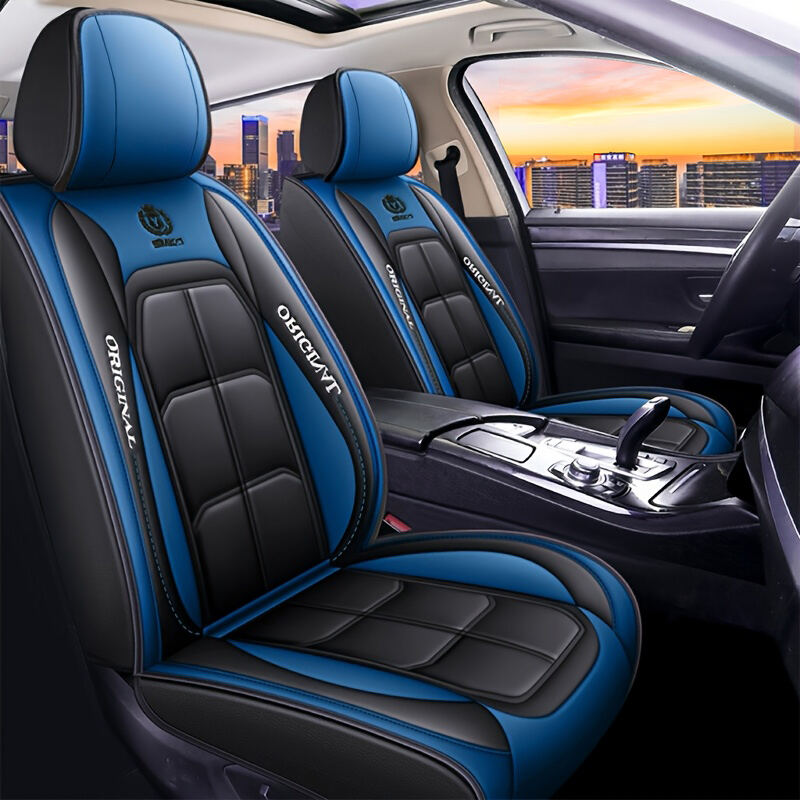
Keeping your vehicle interior in top condition starts with understanding what fabric car seat covers actually need to stay functional and presentable over time. Unlike hard surfaces, fabric materials are porous, absorbent, and susceptible to a wide range of environmental and mechanical stresses. Whether you are dealing with daily commuting wear, pet hair, food spills, or prolonged sun exposure, the longevity of fabric car seat covers depends almost entirely on how consistently and correctly they are maintained. Ignoring simple upkeep routines can accelerate degradation far beyond what normal use would cause, leading to premature replacement costs that are entirely avoidable.
Understanding what maintenance tips extend the life of fabric car seat covers is not just about aesthetics — it is about protecting a practical investment. Quality fabric car seat covers are designed to endure regular use, but their durability is maximized only when paired with thoughtful care routines. This article breaks down the most effective, evidence-based maintenance strategies that vehicle owners and fleet managers can implement to significantly extend the lifespan of fabric car seat covers across different vehicle types and usage intensities.

Regular Cleaning as the Foundation of Longevity
Establishing a Consistent Vacuuming Schedule
The single most impactful habit you can develop for maintaining fabric car seat covers is vacuuming them on a regular basis. Dust, debris, crumbs, and pet hair accumulate deep within the woven fibers over time, and if left unaddressed, they act as abrasives that gradually break down the fabric structure. For everyday vehicles, a weekly vacuum using a soft brush attachment is sufficient. For vehicles exposed to heavier use — such as those used for ridesharing, trade work, or family travel — vacuuming two to three times per week is strongly recommended.
Using the correct vacuum attachment matters considerably. A wide flat nozzle works well for broad surfaces, while a narrow crevice tool is essential for reaching into seam lines and edges where debris tends to compact. Avoid using metal or hard plastic attachments directly on the fabric, as these can snag threads or cause localized pilling. Gentle, consistent passes in the direction of the fabric weave will preserve the surface texture and prevent premature fiber fatigue in your fabric car seat covers.
Vacuuming also prevents embedded particles from working their way into the foam padding beneath, which can cause uneven surface bulging and compromise the structural integrity of the cover over time. This step is inexpensive, quick, and one of the highest-return maintenance habits available to any vehicle owner who wants to get maximum service life from fabric car seat covers.
Spot Cleaning Spills Immediately
Liquid spills are among the most damaging events for fabric car seat covers when not addressed promptly. Beverages such as coffee, juice, or soda contain colorants and sugars that bond with fabric fibers within minutes of contact, creating stains that become increasingly difficult to remove as they set. The correct immediate response is to blot — not rub — the affected area with a clean, dry cloth to absorb as much liquid as possible before it penetrates the fabric layers.
Once the excess liquid is absorbed, a mild fabric cleaner diluted in water should be applied with a soft cloth or sponge using gentle circular motions. Avoid saturating the fabric, as over-wetting can cause mold or mildew growth within the padding underneath. After cleaning, allow the area to air dry completely with windows slightly open or with a low-heat fan nearby. This approach protects both the surface and the underlying materials of your fabric car seat covers from lasting damage.
For oily stains from food or mechanical contact, a small amount of dish soap diluted in warm water is often highly effective before any stain-specific product is used. The key principle across all spot cleaning is speed — the faster you act, the less likely any spill is to cause a permanent blemish on your fabric car seat covers.
Deep Cleaning Methods That Preserve Fabric Integrity
Hand Washing Versus Machine Washing
When fabric car seat covers reach the point of requiring a full wash, the method chosen will significantly impact how long they continue to perform well. Many fabric car seat covers are removable and machine washable, but the settings used during machine washing matter greatly. Always consult the manufacturer's care label before proceeding. In general, a cold or warm water cycle on a gentle or delicate setting is appropriate, combined with a mild laundry detergent free of bleach or optical brighteners.
Washing fabric car seat covers in a mesh laundry bag reduces friction during the machine cycle, helping prevent snags, pilling, and seam stress. Avoid washing seat covers with other heavy items such as jeans, towels, or shoes, as these can apply uneven mechanical pressure that distorts the cover shape. Once washed, remove the covers promptly to prevent mildew development from residual moisture sitting in a closed drum.
For fabric car seat covers with memory foam padding, structured inserts, or non-removable backing, hand washing is the safer option. Use a bucket of lukewarm water with a small amount of gentle fabric cleaner, apply with a soft-bristled brush, and rinse thoroughly. The goal in either washing method is to clean effectively without stressing the fibers, dyes, or structural elements that determine how long fabric car seat covers will remain intact and attractive.
Proper Drying Practices After Washing
How fabric car seat covers are dried after washing is just as important as how they are cleaned. High heat from tumble dryers is one of the most common causes of premature shrinkage, fiber breakdown, and elastic or stitching damage. The recommended approach for most fabric car seat covers is air drying in a well-ventilated area away from direct sunlight, which can fade dyes and weaken synthetic fibers over multiple exposures.
If using a dryer is necessary, always select the lowest heat setting available, and remove the covers while still slightly damp to finish air drying naturally. This prevents the heat-induced stiffening and dimensional distortion that occurs when fabric car seat covers are over-dried in high temperatures. Re-installing covers while still very slightly damp can also help them conform better to seat contours, provided they are given time to fully dry before use to avoid mildew risk.
Avoid drying fabric car seat covers by hanging them over sharp edges or hooks that could create permanent crease lines or stretch particular seams unevenly. Laying them flat or draping them over a smooth, wide drying rack preserves their original shape and ensures they will fit correctly when reinstalled.
Protection Strategies That Prevent Damage Before It Occurs
Using Fabric Protector Sprays
One of the most effective proactive strategies for extending the life of fabric car seat covers is the application of a fabric protector spray. These products create a hydrophobic barrier on the surface of the fabric that causes liquids to bead and roll off rather than being immediately absorbed. When applied correctly to clean, dry fabric car seat covers, a quality protector spray can dramatically reduce the rate of staining and make spot cleaning far easier throughout the cover's useful life.
Fabric protector sprays should be reapplied every three to six months, or more frequently if the covers are washed regularly, as washing gradually removes the protective coating. Application should be done outdoors or in a well-ventilated area, with the spray held at the distance recommended by the product manufacturer to ensure even coverage without saturating the material. Allow the treated fabric car seat covers to cure fully before use — typically between one and four hours depending on the specific product formula.
It is important to select fabric protector products that are compatible with the specific material composition of your fabric car seat covers. Some protectors are formulated specifically for natural fibers like cotton or canvas, while others are designed for synthetic blends such as polyester or nylon. Using an incompatible product can alter the texture, appearance, or breathability of the fabric, potentially doing more harm than the protection it provides.
Managing Sun Exposure and Interior Temperature
Ultraviolet radiation and extreme interior heat are silent but relentless enemies of fabric car seat covers. Prolonged exposure to direct sunlight causes the dyes embedded in fabric fibers to break down through a process called photodegradation, resulting in fading, discoloration, and in more severe cases, fiber brittleness. This process is cumulative and irreversible — once fading has occurred on fabric car seat covers, no amount of cleaning or conditioning can restore the original color depth.
Parking in shaded areas whenever possible, using a windshield sun shade, and applying window tinting film to side windows are all practical measures that meaningfully slow the rate of UV-related damage to fabric car seat covers. These steps reduce interior temperature as well, which matters because repeated cycles of extreme heat expansion and cooling contraction stress the fabric fibers and stitching over time, shortening the structural integrity of the covers.
For vehicles that cannot be parked in shade regularly, seat cover fabric with a higher UV-resistance rating is worth considering when making a replacement purchase. Investing in fabric car seat covers engineered to resist UV degradation from the outset reduces the burden placed on ongoing maintenance routines and delivers better long-term value across the cover's service life.
Installation and Usage Habits That Reduce Wear
Correct Fitting and Reinstallation After Cleaning
Improper installation is one of the most overlooked contributors to premature wear in fabric car seat covers. When covers are installed loosely or misaligned with the seat contours, they shift during use, creating friction zones where the fabric rubs repeatedly against itself or the underlying seat surface. This localized friction generates heat and mechanical stress that breaks down fabric fibers far faster than normal sitting pressure would.
After each cleaning cycle, take the time to reinstall fabric car seat covers carefully and fully according to the design specifications — ensuring all anchor straps, hook-and-loop fasteners, or elastic edges are properly engaged. A correctly fitted cover distributes seating pressure evenly across the entire fabric surface rather than concentrating it in areas that have shifted out of alignment. This even distribution is a key factor in achieving the maximum usable lifespan from any set of fabric car seat covers.
Periodically check the tension and condition of all attachment mechanisms during your regular maintenance routine. Worn or stretched elastics, broken hooks, or fraying straps should be addressed promptly, as these allow covers to migrate during use and create the kind of repetitive localized friction that leads to visible wear patterns and eventual material failure in fabric car seat covers.
Behavioral Habits That Reduce Fabric Stress
Beyond physical maintenance tasks, certain behavioral habits significantly affect how long fabric car seat covers remain in good condition. Sharp objects in pockets — keys, tools, or metal fasteners on work clothing — cause microscopic cuts and snags in the fabric surface that worsen over time into visible damage. Being mindful of what occupants carry in their pockets or on their clothing before they sit down is a genuinely effective long-term preservation strategy.
Pets, particularly dogs, are among the highest-risk factors for fabric car seat covers due to their claws and the oils and moisture in their coats. Using a dedicated pet seat cover or a protective blanket over fabric car seat covers during animal transport is a practical way to preserve the primary covers without restricting pet travel. After any pet transport, vacuum and spot-clean promptly to remove hair, oils, and any moisture before it works into the fabric layers.
Children and food transport also deserve behavioral attention. Encouraging passengers to avoid eating in the vehicle — or at minimum to use contained packaging — reduces the frequency and severity of spill events that accelerate staining and degradation in fabric car seat covers. These behavioral adjustments require no additional investment and can meaningfully extend the cleaning intervals and overall service life of the covers.
FAQ
How often should fabric car seat covers be washed?
For most vehicles in regular daily use, fabric car seat covers should be given a full wash every one to three months, depending on usage intensity. Vehicles used for ridesharing, pet transport, or frequent food consumption may require more frequent washing. Spot cleaning between full washes helps extend intervals and reduces the cumulative stress placed on the fabric by repeated machine washing cycles.
Can fabric car seat covers be dried in a dryer safely?
Most fabric car seat covers can tolerate dryer use, but only on the lowest heat setting available. High heat causes shrinkage, fiber damage, and elastic degradation that permanently alters the cover's fit and appearance. The safest and most fabric-friendly method is air drying in a well-ventilated space away from direct sunlight, which preserves the material's dimensional stability and dye integrity over multiple cleaning cycles.
Do fabric protector sprays really make a difference for fabric car seat covers?
Yes, fabric protector sprays provide a measurable and meaningful layer of defense against liquid absorption and staining. When applied to clean fabric car seat covers at the recommended intervals, these products reduce the speed at which spills penetrate the fibers, making spot cleaning faster and more effective. The protective layer does diminish with washing and use, so reapplication every three to six months is essential to maintain the benefit.
What is the biggest mistake people make when maintaining fabric car seat covers?
The most common and damaging mistake is allowing spills and stains to set before attempting to clean them. Once liquid has fully penetrated and dried within fabric car seat covers, stain removal becomes significantly more difficult and may require aggressive treatments that themselves stress the fabric. Prompt blotting and immediate spot cleaning, even if imperfect, is always more effective than a delayed but thorough cleaning effort performed hours or days later.