 EN
EN

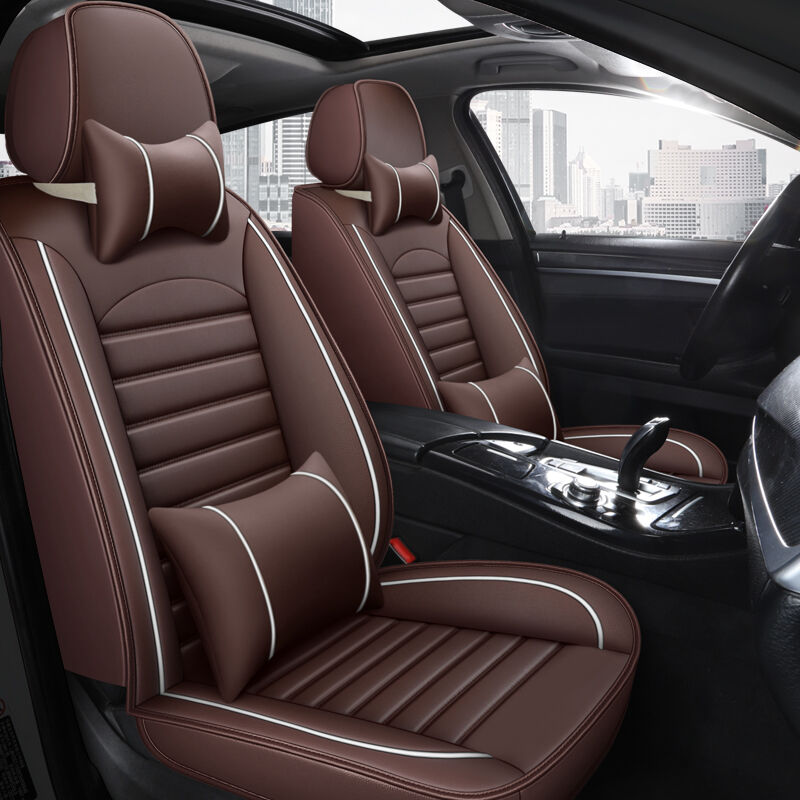
When it comes to protecting and personalizing the interior of your car, truck, or SUV, few investments deliver as much practical and aesthetic value as custom vehicle seat covers. Unlike generic, one-size-fits-all options, custom vehicle seat covers are engineered to match the precise dimensions, contours, and design of your specific vehicle's seating. This precision fit not only enhances the visual appeal of your cabin but also provides a level of protection and comfort that standard aftermarket covers simply cannot replicate. Whether you are a fleet manager, a daily commuter, or a business owner looking to maintain vehicle resale value, understanding the core benefits of these covers is essential to making an informed purchasing decision.
The market for custom vehicle seat covers has grown substantially across B2B and commercial sectors, with businesses recognizing that interior upkeep directly influences brand perception, driver satisfaction, and long-term asset value. From taxi fleets and delivery services to rental car companies and corporate transportation, the demand for high-quality, purpose-built seat protection solutions continues to accelerate. This article breaks down the key benefits of using custom vehicle seat covers across five critical dimensions — fit and coverage, material performance, interior protection, driver comfort, and commercial value — so decision-makers can clearly evaluate whether this investment aligns with their operational and financial objectives.
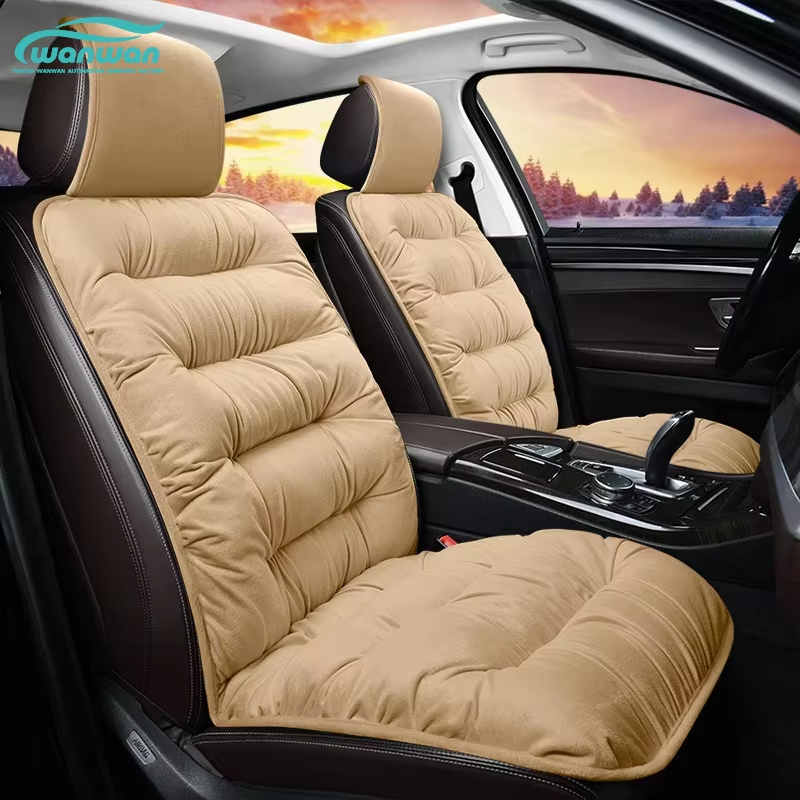
Precision Fit and Full Coverage Advantages
Why Exact Fit Matters More Than You Think
One of the most significant distinguishing factors of custom vehicle seat covers is their engineered fit. Unlike universal covers that bunch, slip, or leave portions of the seat exposed, custom-made versions are patterned to align precisely with the bolsters, headrests, armrests, and side airbag zones of your exact vehicle model. This means every square centimeter of your seat surface is consistently covered and protected. A proper fit also eliminates the visual clutter caused by ill-fitting covers, keeping the cabin looking clean and professional at all times.
For businesses managing vehicle fleets, consistency in appearance across all units is a practical concern. Custom vehicle seat covers ensure that every seat in every vehicle maintains the same look, feel, and level of coverage, reinforcing a unified brand image. This is particularly relevant for transportation companies, car rental agencies, and any organization where client-facing vehicle interiors are a reflection of service quality and professionalism.
Compatibility With Built-In Vehicle Features
Modern vehicles are equipped with a wide range of integrated features — side-impact airbags, seat belt buckles embedded in upholstery, heated seat elements, lumbar support mechanisms, and seat sensors. Generic covers often interfere with these systems or fail to accommodate their positions. Custom vehicle seat covers, by contrast, are designed with these features in mind, incorporating precise cutouts, reinforced zones, and flexible panels that allow built-in systems to function exactly as intended.
This compatibility aspect is not just about convenience — it is a genuine safety consideration. Covers that obstruct side airbag deployment or restrict seat belt access create liability exposure for fleet operators and commercial vehicle owners. Choosing custom vehicle seat covers that are purpose-built for your vehicle model eliminates this risk while preserving full functionality of all factory-installed safety and comfort features.
Material Quality and Long-Term Durability
Material Selection as a Performance Decision
The materials used in custom vehicle seat covers vary widely, ranging from premium full-grain leather and synthetic PU leather to high-density neoprene, canvas, and breathable mesh composites. Each material has a distinct performance profile suited to different usage environments, climates, and occupant needs. For example, PU leather offers excellent ease of cleaning and resistance to liquid spills, making it ideal for service vehicles and commercial fleets. Neoprene provides outstanding moisture resistance and elasticity, which is preferred in off-road or marine applications.
When sourcing custom vehicle seat covers for a commercial operation, material selection should be driven by the specific wear patterns, cleaning protocols, and environmental conditions relevant to your fleet. High-traffic vehicles require materials with superior abrasion resistance and colorfastness, while vehicles operating in temperature extremes benefit from materials with thermal stability and UV protection. The ability to specify materials according to operational requirements is one of the core advantages of going custom over generic.
Construction Quality and Lifecycle Expectations
Beyond raw material performance, the construction quality of custom vehicle seat covers determines their usable lifespan under real-world conditions. Double-stitched seams, reinforced stress points, and precision-cut panels all contribute to a cover that holds its shape and integrity through years of regular use. Cheap generic alternatives often begin to fray, stretch, or separate at seams within months of deployment, leading to repeated replacement costs that erode the initial price advantage.
For fleet operators, the total cost of ownership over a multi-year period strongly favors high-quality custom vehicle seat covers. When covers are built to exacting specifications with durable materials and professional-grade construction, replacement cycles lengthen significantly. This translates directly into lower per-vehicle operational costs and reduced administrative burden associated with sourcing and installing replacement covers on a frequent basis.
Interior Protection and Asset Value Preservation
Protecting Against the Most Common Sources of Seat Damage
Vehicle seats face a relentless combination of wear sources — UV radiation from sunlight, food and beverage spills, sweat and body oils, pet hair, dirt, and the simple mechanical stress of occupants getting in and out repeatedly. Without protection, factory upholstery deteriorates relatively quickly, leading to cracking leather, faded fabric, torn bolsters, and stained surfaces that are expensive to repair or restore. Custom vehicle seat covers act as a continuous barrier against all of these damage vectors simultaneously.
The protective value of custom vehicle seat covers becomes especially pronounced in commercial applications where vehicles are used intensively by multiple different operators or passengers each day. A taxi, rideshare vehicle, or rental car may experience dozens of occupants in a single day, each introducing potential contaminants or causing incremental physical wear. Covers designed to withstand this level of use protect the underlying upholstery from degradation, keeping seats looking presentable regardless of daily traffic volume.
Maintaining Resale and Trade-In Value
The condition of a vehicle's interior is one of the primary factors appraisers and buyers evaluate when determining resale or trade-in value. Seats that are visibly worn, stained, cracked, or malodorous significantly reduce perceived vehicle value and can result in substantially lower offers at the point of disposal. By using custom vehicle seat covers throughout the vehicle's operational life, owners effectively preserve the factory upholstery in near-original condition, which directly translates into higher resale prices.
For fleet operators turning over vehicles on a regular cycle — typically every two to five years — this value retention can represent meaningful financial recovery. When multiplied across dozens or hundreds of vehicles in a fleet, the cumulative impact of preserved interior condition on vehicle disposal proceeds is a compelling financial argument for investing in quality custom vehicle seat covers from the moment a vehicle enters service.
Driver Comfort and Ergonomic Support
How Custom Covers Enhance the Seating Experience
Comfort is not merely a luxury consideration — for professional drivers, it is a fatigue management and occupational health issue. Drivers who spend extended hours behind the wheel experience musculoskeletal strain that is directly influenced by the support, padding, and surface feel of their seating. Custom vehicle seat covers can be specified with additional cushioning layers, ergonomic contouring, and breathable materials that actively reduce discomfort during long shifts.
In contrast to standard covers that simply wrap the existing seat surface, some custom vehicle seat covers incorporate memory foam inserts, ventilated mesh panels, or moisture-wicking fabric layers that regulate temperature and reduce pressure point fatigue. For commercial operators managing driver wellbeing and retention, these ergonomic enhancements represent a meaningful investment in workforce health that can reduce absenteeism and improve driver satisfaction over time.
Climate Adaptation and Seasonal Performance
Vehicles operating across different seasons or geographic regions face dramatically different interior climate conditions. In hot climates, seat surfaces absorb solar heat and become uncomfortably warm, while in cold climates, rigid materials can feel harsh and uninviting. Custom vehicle seat covers can be engineered with season-appropriate materials — cooling mesh for summer use, thermal-retention fabrics for winter — or designed as universal covers that perform acceptably across a broad temperature range without requiring seasonal swaps.
The ability to specify climate-appropriate materials is another dimension where custom solutions outperform generic alternatives. A single well-designed custom cover can address both thermal comfort and surface durability simultaneously, eliminating the need for multiple different covers across different seasons. For fleet operators managing vehicles in regions with pronounced seasonal variation, this adaptability simplifies procurement and inventory management while consistently delivering occupant comfort.
Commercial and Brand Value Considerations
Brand Alignment Through Interior Customization
For businesses where vehicles serve as a brand touchpoint — corporate transportation services, hospitality shuttles, branded delivery fleets — the interior environment communicates brand identity to passengers and clients. Custom vehicle seat covers offer the ability to incorporate brand colors, logo embroidery, or signature design elements that reinforce brand recognition and create a distinctive, memorable passenger experience. This level of customization is simply not achievable with generic catalog covers.
The investment in branded custom vehicle seat covers also signals professionalism and attention to detail to clients and passengers. When every element of the vehicle interior is cohesive, clean, and purposefully designed, it elevates the perceived quality of the service being delivered. For premium transportation services competing on customer experience, this differentiation can be a meaningful factor in client acquisition and retention.
Simplified Maintenance and Operational Efficiency
Beyond aesthetics and protection, custom vehicle seat covers simplify the practical task of vehicle interior maintenance. Covers designed for easy removal and reinstallation allow fleet maintenance teams to quickly clean or replace seat protection between shifts, reducing vehicle downtime and turnaround time for commercial operators. Materials specified for ease of cleaning — such as smooth PU leather or treated synthetic fabrics — allow surface contamination to be removed quickly without specialized cleaning products or extended drying times.
For businesses operating vehicles that require frequent deep cleaning due to passenger use patterns — medical transport, food delivery, pet transport — custom vehicle seat covers with wash-friendly properties dramatically reduce the labor and cost associated with interior sanitation. This operational efficiency benefit is often underestimated during the initial procurement evaluation but becomes clearly visible in day-to-day fleet management practice.
FAQ
Are custom vehicle seat covers compatible with heated seats and side airbags?
Yes, when properly designed, custom vehicle seat covers are engineered to accommodate heated seat elements, lumbar supports, seat sensors, and side-impact airbag deployment zones. Custom patterns include precise cutouts and flexible panel sections that allow all factory-installed seat features to function normally. It is important to confirm these compatibility details with the cover supplier before purchasing, particularly for vehicles equipped with integrated safety systems.
How long do custom vehicle seat covers typically last under commercial use?
The lifespan of custom vehicle seat covers under commercial use varies depending on material quality, construction standards, and the intensity of daily use. High-quality covers made from durable PU leather or heavy-duty synthetic materials with reinforced stitching typically last between two and five years under regular commercial conditions. Proper cleaning and maintenance protocols further extend usable life. Fleet operators should factor replacement cycles into total cost of ownership calculations when evaluating different cover options.
Can custom vehicle seat covers be branded with company logos or colors?
Absolutely. One of the most commercially relevant benefits of custom vehicle seat covers is the ability to incorporate brand-specific design elements including company colors, logo embroidery, custom stitching patterns, and proprietary material selections. This makes them particularly valuable for corporate fleets, hospitality services, and premium transportation operators seeking to deliver a consistent, brand-aligned passenger experience across all vehicles in their operation.
Do custom vehicle seat covers affect driving comfort or ergonomics negatively?
When correctly fitted and made from appropriate materials, custom vehicle seat covers do not negatively affect driving comfort. In fact, well-specified covers can enhance ergonomics by adding supplemental cushioning, improving ventilation, and reducing surface friction or heat absorption. The key is selecting cover materials and thickness profiles that complement rather than conflict with the original seat geometry and support characteristics of your specific vehicle model.
Table of Contents
- Precision Fit and Full Coverage Advantages
- Material Quality and Long-Term Durability
- Interior Protection and Asset Value Preservation
- Driver Comfort and Ergonomic Support
- Commercial and Brand Value Considerations
-
FAQ
- Are custom vehicle seat covers compatible with heated seats and side airbags?
- How long do custom vehicle seat covers typically last under commercial use?
- Can custom vehicle seat covers be branded with company logos or colors?
- Do custom vehicle seat covers affect driving comfort or ergonomics negatively?