 EN
EN

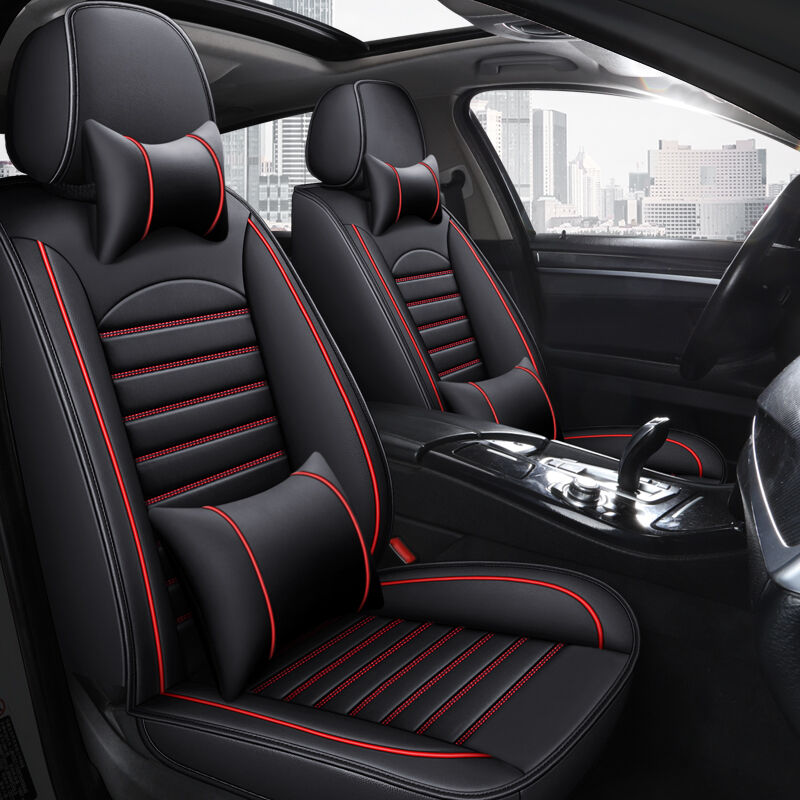
The automotive accessories market has witnessed remarkable transformation over the past decade, and few product categories have demonstrated as consistent and compelling growth as vehicle seat covers. Once considered a purely functional aftermarket add-on, these products have evolved into a multi-dimensional consumer purchase that blends protection, personalization, comfort, and even brand expression. Buyers across virtually every demographic segment — from daily commuters and rideshare drivers to outdoor enthusiasts and fleet managers — are increasingly investing in quality seat protection, making this one of the most dynamic sub-categories in the entire auto accessories space.
Understanding why vehicle seat covers are growing as a segment requires a closer look at the convergence of several macroeconomic and behavioral trends. Rising vehicle ownership costs, increased vehicle retention periods, the explosion of e-commerce, shifting consumer expectations around customization, and a broader cultural emphasis on interior comfort and cleanliness have all contributed to sustained demand growth. This article explores the key drivers behind this trend, what it means for buyers and sellers alike, and why the momentum behind vehicle seat covers shows no signs of slowing down.
The Shift in Consumer Mindset Toward Vehicle Interior Care
Vehicles Are Being Kept Longer, Increasing Demand for Protection
One of the most significant macro-level factors driving the growth of vehicle seat covers is the increasing length of vehicle ownership. Consumers are holding onto their cars, trucks, and SUVs for longer periods than ever before. With the average vehicle age on the road now exceeding 12 years in many markets, owners are far more motivated to protect their investment over the long haul. Vehicle seat covers serve as a primary line of defense against wear, staining, UV degradation, and general deterioration that accumulates over years of daily use.
This extended ownership trend means buyers are not simply purchasing accessories for novelty — they are making calculated decisions to preserve resale value and interior quality. A well-maintained interior, supported by quality vehicle seat covers, can meaningfully impact a vehicle's trade-in or private sale price. This protective logic resonates strongly with practical-minded buyers, turning what was once an impulse buy into a considered purchase.
Fleet operators and commercial vehicle managers have been among the fastest-growing customer segments for this reason. When a company operates dozens or hundreds of vehicles, the cost of interior refurbishment adds up quickly. Preventive investment in vehicle seat covers becomes a straightforward cost-efficiency decision at scale, further broadening the addressable market beyond individual consumers.
Cleanliness and Hygiene Awareness Have Elevated Interior Accessories
The post-pandemic period has fundamentally altered how people think about shared and personal spaces — and vehicles are no exception. Heightened hygiene consciousness has translated directly into stronger interest in vehicle seat covers that are easy to remove, wash, and maintain. Leather and PU leather options, in particular, have gained significant ground because of their surface-wipeable properties and resistance to bacteria and moisture absorption.
Families with children, pet owners, and food delivery drivers represent high-volume buyer segments who prioritize sanitation as much as style. For these consumers, vehicle seat covers are not a luxury but a practical necessity. The ability to refresh the interior environment through machine-washable or spot-clean covers has become a meaningful purchase driver, which product designers and manufacturers have responded to with purpose-built material innovations.
This hygiene-driven demand has also encouraged buyers to replace their vehicle seat covers more frequently, shortening the repurchase cycle and increasing total category volume. Rather than a one-time purchase, covers are now treated almost like household textile products with a maintenance-oriented replacement rhythm.
Personalization and Lifestyle Expression as Market Growth Drivers
Auto Interiors Have Become an Extension of Personal Identity
Automotive consumers today treat their vehicle interiors much like they treat their home décor — as an expression of personality, taste, and lifestyle. The boom in interior customization is not limited to audio systems or lighting; seating is one of the most visually dominant elements of any cabin, and vehicle seat covers offer an accessible, reversible way to make a dramatic aesthetic statement without permanent modification.
From minimalist premium leather looks to sporty textured designs and seasonal themes, the breadth of available styles has expanded enormously to meet diverse consumer identities. This range of options means that vehicle seat covers can appeal to buyers across income levels, age groups, and vehicle types. The accessible price point of the category — especially at the mid-range — means personalization is no longer confined to luxury vehicle owners but extends to budget-conscious buyers who still want their interiors to feel intentional and curated.
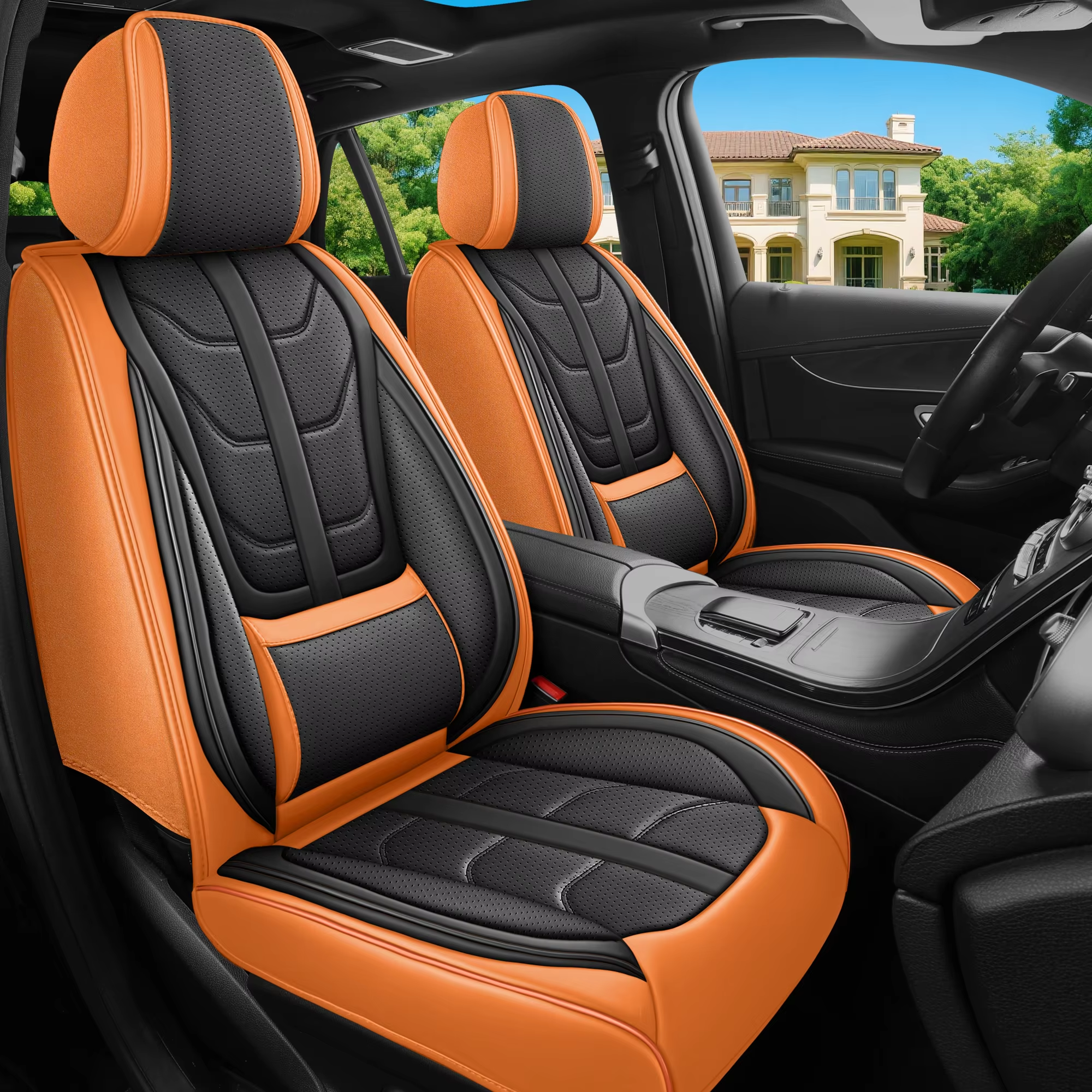
Products like the vehicle seat covers designed for all-inclusive full leather coverage exemplify this trend well — they deliver both the visual premium of leather aesthetics and the practical adaptability of a four-seasons design, satisfying both the style-driven and function-first buyer simultaneously.
Seasonal and Occasion-Driven Purchasing Patterns Expand Volume
Another compelling behavioral factor driving growth is that consumers are increasingly purchasing multiple sets of vehicle seat covers for different seasons or occasions. A summer-oriented breathable mesh cover might give way to a plush, warming fabric option in winter, while pet-specific waterproof covers are purchased separately for outdoor activities. This multi-set purchasing behavior significantly multiplies category revenue and sustains year-round demand rather than confining it to a single annual peak period.
Retailers and e-commerce platforms have been quick to recognize and amplify this pattern. Seasonal promotional campaigns, bundled offerings, and algorithm-driven upsell logic have all contributed to buyers making repeat purchases of vehicle seat covers across a single ownership cycle. The result is a category that benefits from both new-buyer acquisition and strong repeat purchase frequency — a combination that drives exceptional long-term revenue growth.
For B2B buyers such as wholesale distributors and e-commerce resellers, this seasonality creates predictable procurement cycles and reliable demand signals, making vehicle seat covers an attractive category to carry and promote throughout the year.
E-Commerce and Platform Growth Accelerating Market Expansion
Online Discovery Has Unlocked Global Demand for Vehicle Seat Covers
The rapid maturation of global e-commerce platforms has been arguably the single most important structural driver of the vehicle seat covers growth story. Marketplaces such as Amazon, Walmart Marketplace, and regional equivalents have dramatically lowered the barrier to market entry for both sellers and product variety. Consumers can now browse hundreds of vehicle seat covers options, compare specifications, read detailed reviews, and receive products within days — a convenience that brick-and-mortar retail simply cannot replicate at the same scale or variety.
Search behavior data consistently shows that vehicle seat covers rank among the top-searched automotive accessory terms across major e-commerce platforms. High search volume combined with a fragmented supplier landscape creates a highly competitive but also highly active category with strong organic discovery potential. Sellers who optimize product listings with clear fitment information, high-quality imagery, and competitive pricing find that this category delivers consistent sales velocity throughout the year.
For factory-direct suppliers and importers, this e-commerce environment is especially advantageous. The elimination of traditional wholesale intermediaries through direct-to-consumer digital channels allows manufacturers of vehicle seat covers to compete effectively on price while maintaining healthy margins — a structural advantage that has accelerated the proliferation of quality options across all price tiers.
Social Media and Visual Commerce Driving Purchase Inspiration
Platforms centered on visual content — Instagram, TikTok, Pinterest, and YouTube — have created powerful new discovery pathways for vehicle seat covers. Before-and-after transformation videos, interior makeover content, and product installation guides generate millions of views and direct purchase intent among engaged automotive enthusiast audiences. This visual commerce ecosystem has effectively turned user-generated content into an ongoing marketing engine for the category.
The social proof dynamic inherent to these platforms accelerates buyer confidence significantly. When a potential buyer sees authentic, relatable content showcasing how vehicle seat covers transformed another person's interior at an accessible price point, the path to conversion shortens considerably. This is particularly effective for younger demographics who have grown up making purchase decisions influenced heavily by peer review and organic content rather than traditional advertising.
For wholesale buyers and brand builders in this space, the implication is clear: products designed with photogenic aesthetics and installation ease are better positioned to generate organic content and benefit from this social commerce flywheel. Material quality, stitching detail, and packaging presentation all contribute to the likelihood of buyers sharing their purchase — effectively becoming unpaid brand ambassadors for vehicle seat covers they are genuinely proud to feature.
Material Innovation and Product Sophistication Raising Category Value
Advanced Materials Are Expanding the Performance Profile of Vehicle Seat Covers
The quality and material sophistication of vehicle seat covers has improved substantially over the past several years, raising average selling prices and elevating consumer expectations across the category. Manufacturers have moved well beyond basic polyester and neoprene to develop proprietary blends that combine breathability, durability, temperature regulation, and luxury aesthetics in single product solutions. Full leather and PU leather constructions with memory foam padding, anti-slip backing systems, and precision-cut fitment for specific vehicle models represent the high-value end of this product evolution.
The development of four-seasons compatible vehicle seat covers — products engineered to perform comfortably across hot summers and cold winters without requiring replacement — has been particularly impactful in expanding the addressable buyer pool. Buyers who previously avoided seat covers due to comfort concerns in extreme temperatures now have credible solutions available at mainstream price points. This material-driven category expansion is not a temporary innovation cycle but a sustained platform of improvement that continues to attract new buyers.
For procurement professionals and resellers evaluating the category, material quality and construction standards are now central to product selection decisions. All-inclusive fitment designs that cover headrests, seat backs, seat cushions, and side airbag-compatible zones without compromising safety functionality have become table-stakes specifications for serious buyers. Vehicle seat covers that meet these standards consistently command premium pricing and generate higher customer satisfaction scores.
Universal Versus Custom Fit Options Broadening Market Reach
The historic tension between universal-fit and custom-fit vehicle seat covers has largely been resolved by modern manufacturing advances that deliver near-custom precision through semi-universal patterning systems. By engineering seat covers around the dimensional profiles of the most widely sold vehicle models globally — particularly popular compact SUVs, sedans, and pickup trucks — manufacturers can offer near-perfect fitment for a large majority of the market without requiring costly model-specific tooling for every SKU.
This approach dramatically expands the addressable market for each vehicle seat covers product while reducing inventory complexity for both manufacturers and resellers. A single well-engineered product line can realistically serve tens of millions of vehicles with consistent quality, rather than requiring hundreds of model-specific variants. The result is better economies of scale in production, more competitive pricing for buyers, and stronger inventory efficiency across the supply chain.
Buyers evaluating vehicle seat covers for wholesale or resale should prioritize suppliers who clearly specify the fitment range of each product, including vehicle make and model compatibility, seat configuration compatibility, and airbag accommodation. Transparency in these specifications reduces returns, increases buyer satisfaction, and builds the kind of trust that drives repeat purchasing — the lifeblood of sustainable growth in this category.
FAQ
What makes vehicle seat covers such a consistently high-demand product category?
Vehicle seat covers benefit from a convergence of practical, aesthetic, and behavioral demand drivers. They protect interior value during extended vehicle ownership periods, satisfy hygiene and cleanliness needs, enable personalization at accessible price points, and enjoy strong repeat purchase cycles due to seasonal preferences and product wear. This combination of utility and lifestyle appeal creates demand that is both broad and durable across market conditions.
How do vehicle seat covers benefit wholesale buyers and e-commerce resellers specifically?
For B2B buyers, vehicle seat covers offer year-round demand consistency, predictable seasonal peaks, relatively compact shipping dimensions, strong search volume on e-commerce platforms, and a wide range of price tiers to serve different market segments. Factory-direct sourcing options further improve margin potential, and the category's visual appeal supports strong content marketing and conversion rates on digital channels.
Are full leather vehicle seat covers suitable for all climate conditions?
Modern full leather and PU leather vehicle seat covers designed for four-seasons use incorporate breathable backing layers, perforated surface options, and temperature-adaptive materials that significantly improve comfort across climate extremes compared to older leather products. Products engineered specifically for four-seasons performance are engineered to minimize heat retention in summer and cold stiffness in winter, making them suitable for year-round use in most temperate and subtropical climates.
What specifications should buyers prioritize when sourcing vehicle seat covers at wholesale volumes?
Key specifications to evaluate include material grade and durability rating, fitment compatibility range, airbag side-release compliance, anti-slip backing quality, stitching construction standards, and cleaning or maintenance requirements. For high-volume sourcing, factory certifications, production lead times, MOQ flexibility, and packaging quality for e-commerce fulfillment are equally critical considerations when evaluating vehicle seat covers suppliers.
Table of Contents
- The Shift in Consumer Mindset Toward Vehicle Interior Care
- Personalization and Lifestyle Expression as Market Growth Drivers
- E-Commerce and Platform Growth Accelerating Market Expansion
- Material Innovation and Product Sophistication Raising Category Value
-
FAQ
- What makes vehicle seat covers such a consistently high-demand product category?
- How do vehicle seat covers benefit wholesale buyers and e-commerce resellers specifically?
- Are full leather vehicle seat covers suitable for all climate conditions?
- What specifications should buyers prioritize when sourcing vehicle seat covers at wholesale volumes?