 EN
EN

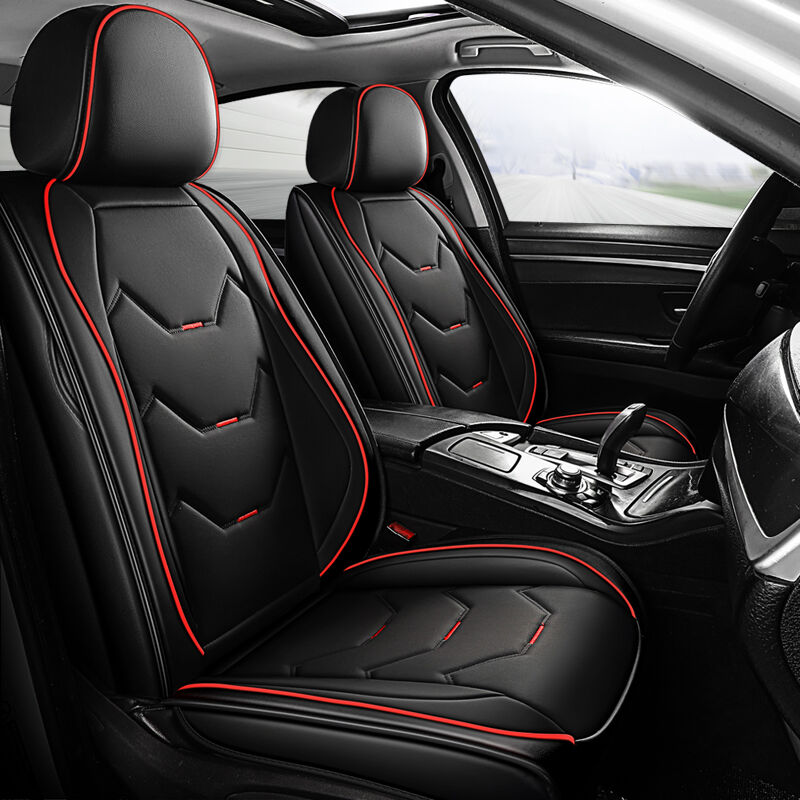
Sourcing fabric car seat covers from Chinese factories has become a mainstream procurement strategy for automotive accessory distributors, e-commerce sellers, and retail chains worldwide. China's manufacturing ecosystem offers a rare combination of material diversity, competitive pricing, and scalable production capacity that few other sourcing regions can match. However, importing fabric car seat covers is not simply a matter of placing an order and waiting for delivery — it requires a structured approach to supplier verification, product specification, compliance checks, and logistics planning.
This guide walks you through the complete import process for fabric car seat covers, from identifying trustworthy Chinese factories to clearing customs and delivering the final product to your customers. Whether you are a first-time importer or an experienced buyer looking to refine your sourcing strategy, understanding each step in this workflow will help you reduce risk, control quality, and build a profitable supply chain around fabric car seat covers.
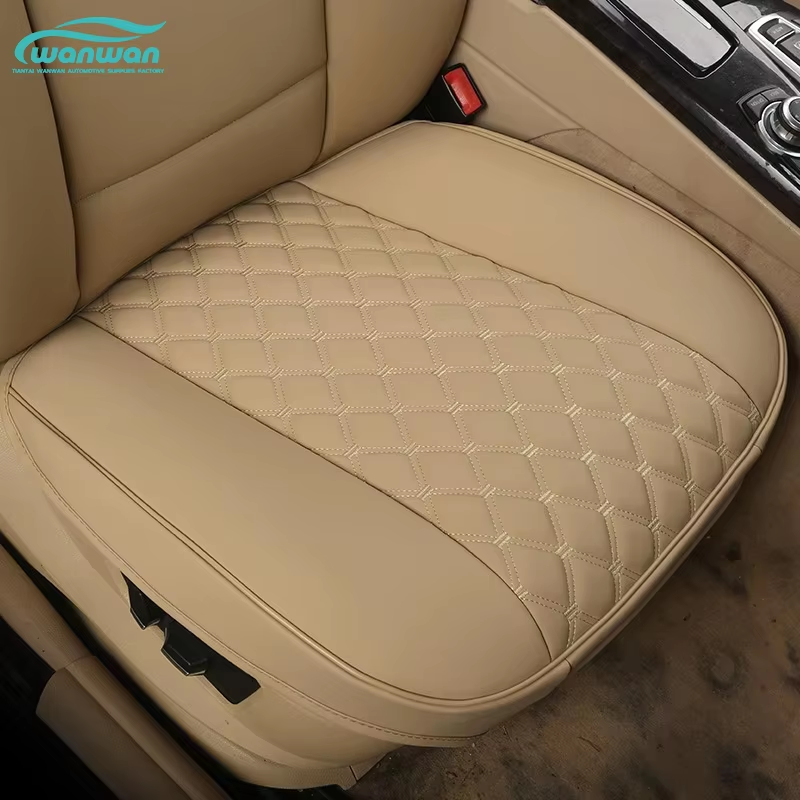
Understanding the Fabric Car Seat Cover Manufacturing Landscape in China
Why China Dominates Global Production of Fabric Car Seat Covers
China has developed one of the most advanced and vertically integrated supply chains for fabric car seat covers in the world. Raw material suppliers, fabric weavers, foam and padding manufacturers, and finished goods factories are often located within the same industrial clusters, which dramatically reduces lead times and input costs. This proximity means that a factory producing fabric car seat covers can quickly adjust materials, colors, or designs in response to buyer specifications without the delays common in more fragmented supply chains.
The sheer number of factories specializing in fabric car seat covers also creates strong competitive pressure, which ultimately benefits buyers. Factories continuously invest in automated cutting and sewing equipment to maintain cost efficiency, and many have accumulated years of experience serving international markets across Europe, North America, and Southeast Asia. This experience translates into familiarity with international quality standards and packaging requirements.
Another key advantage is material variety. Chinese factories can produce fabric car seat covers in polyester, jacquard, velvet, linen blend, and technical fabrics with waterproof or anti-slip coatings. This breadth of material options gives importers the flexibility to position their product at different price and quality tiers, from entry-level universal covers to premium fitted sets with custom embroidery or branding.
Key Production Regions for Fabric Car Seat Covers
Most factories manufacturing fabric car seat covers are concentrated in provinces such as Guangdong, Zhejiang, and Hebei. Guangdong, particularly cities like Guangzhou and Foshan, has a long history in automotive interior accessories and hosts many factories with dedicated export teams and established relationships with freight forwarders. Zhejiang factories often focus on textile innovation and are strong in jacquard and patterned fabric car seat covers.
Understanding regional specialization helps buyers select factories that are best aligned with their product requirements. If you are sourcing high-volume, price-competitive polyester fabric car seat covers for mass retail, factories in Hebei may offer the most competitive pricing. If you need complex jacquard weave or premium velvet fabric car seat covers with intricate patterns, Zhejiang-based suppliers may be better equipped.
How to Identify and Verify Trusted Chinese Factories
Initial Supplier Discovery Methods
The first step in importing fabric car seat covers is building a qualified shortlist of potential suppliers. Trade platforms such as Alibaba, Made-in-China, and Global Sources are widely used starting points. When searching for fabric car seat covers on these platforms, prioritize suppliers with verified status, trade assurance programs, and multi-year operational histories. Look for factories that specifically list fabric car seat covers as their core product rather than manufacturers who treat seat covers as a secondary product line.
Trade fairs such as the Canton Fair, Automechanika Shanghai, and the China International Automobile Trade Fair are also excellent channels for discovering reputable fabric car seat cover manufacturers. Meeting factory representatives in person allows you to assess production quality, communication professionalism, and product range more accurately than online browsing alone. Many serious buyers make their initial contacts at trade shows and then use the digital follow-up process to finalize terms.
Industry referrals and sourcing agents are a third discovery channel worth considering. An experienced sourcing agent based in China can conduct on-the-ground factory assessments, compare multiple fabric car seat cover suppliers simultaneously, and flag red flags that might not be visible from remote due diligence. This is particularly valuable for first-time importers who have not yet built their own supplier network.
Factory Audit and Qualification Process
Once you have a shortlist of fabric car seat cover factories, the qualification process begins. Request factory profiles including business license documentation, production capacity data, equipment lists, and quality management certifications such as ISO 9001. Certified factories are more likely to have systematic production controls that protect consistency across large orders of fabric car seat covers.
Requesting product samples is a non-negotiable step in verifying a factory's capability to produce fabric car seat covers that meet your specifications. Evaluate samples for stitching quality, material hand feel, color fastness, dimensional accuracy, and packaging presentation. Compare samples from at least two or three candidate factories side by side before making a sourcing decision.
A physical factory audit, either conducted personally or through a third-party inspection company, provides the deepest level of assurance. During an audit of a fabric car seat cover factory, auditors assess worker conditions, machinery condition, raw material storage, quality control checkpoints, and compliance with environmental standards. For large-volume ongoing orders, a factory audit is a worthwhile investment that reduces downstream risk significantly.
Defining Product Specifications and Order Terms for Fabric Car Seat Covers
Setting Clear Product Requirements
Before placing any order for fabric car seat covers, you must document your product specifications in precise technical terms. This includes fabric type and weight, color options, cushion design, compatibility range (universal fit versus vehicle-specific fit), padding material, anti-slip backing requirements, headrest cover inclusion, and packaging dimensions. Ambiguous specifications are one of the most common causes of quality disputes in fabric car seat cover imports, and the more clearly you define your requirements upfront, the fewer problems you will encounter later.
Consider whether you want to import fabric car seat covers as off-the-shelf designs from the factory's existing catalog or whether you need custom designs developed to your brand specifications. Custom development of fabric car seat covers typically requires a minimum order quantity commitment, tooling or pattern development fees, and a longer lead time for sample approval. For buyers entering the market, starting with existing factory designs can help reduce initial investment while still allowing for private label packaging.
Material selection for fabric car seat covers significantly affects both product cost and end-user satisfaction. Polyester fabrics offer durability and cost efficiency but may feel less premium than velvet or jacquard. Linen blends provide a natural texture and breathability appeal. Waterproof-coated fabrics cater to family and pet-friendly market segments. Matching the material choice to your target customer's expectations is essential for reducing returns and generating positive reviews.
Negotiating Price, MOQ, and Payment Terms
Price negotiation for fabric car seat covers in China depends heavily on order volume, material specifications, and your relationship with the factory. Initial unit prices quoted by factories for fabric car seat covers typically assume a certain minimum order quantity, and prices will usually improve as volume commitments increase. Always request an itemized price breakdown to understand how material cost, labor, packaging, and profit margin contribute to the total unit price.
Minimum order quantities for fabric car seat covers vary widely by factory. Some factories will accept orders as low as 50 to 100 sets for standard designs, while custom or semi-custom fabric car seat cover orders may require minimums of 500 sets or more. Negotiating MOQ flexibility is especially important for new importers who want to test market reception before committing to large inventory positions.
Payment terms for fabric car seat cover orders from Chinese factories typically follow a 30% deposit upon order confirmation and 70% balance before shipment or upon presentation of shipping documents. Letter of credit terms are available from larger, more experienced factories and provide additional buyer protection for high-value orders. Avoid factories that insist on 100% payment upfront with no sample provision or inspection rights, as this structure offers insufficient protection for buyers.
Quality Control and Compliance Requirements for Fabric Car Seat Covers
Pre-Shipment Inspection Protocols
A pre-shipment inspection is one of the most effective tools for protecting your investment when importing fabric car seat covers. Third-party inspection agencies can visit the factory before goods are loaded and assess the finished production batch against your approved sample and specification sheet. For fabric car seat covers, inspection checkpoints typically include dimensional measurement, stitching integrity, fabric uniformity, color accuracy, zipper and fastener function, and packaging completeness.
Statistical sampling methods such as the AQL (Acceptable Quality Limit) standard are commonly applied during inspections of fabric car seat covers. The AQL level you select determines how many units from the batch are inspected and what defect rate is considered acceptable. For consumer goods like fabric car seat covers, AQL 2.5 for major defects is a widely used benchmark that balances thoroughness with practical inspection cost.
If inspection results reveal quality issues, you have the leverage to require the factory to rectify defects before shipment proceeds. This is far more cost-effective than dealing with returns or customer complaints after fabric car seat covers have already been delivered to your warehouse or end customers. Build pre-shipment inspection as a standard cost line into your procurement budget.
Compliance Certifications and Market-Specific Requirements
Depending on your target market, fabric car seat covers may be subject to specific regulatory or safety requirements. In the European Union, textile products including fabric car seat covers must comply with REACH regulations regarding restricted chemical substances. In the United States, flammability standards under FMVSS or CPSC guidelines may apply depending on how the product is classified. Confirm the regulatory requirements for your specific market with a customs broker or regulatory consultant before finalizing your product specifications with the factory.
Requesting test reports from accredited laboratories is a standard practice for ensuring that fabric car seat covers meet applicable chemical and physical safety standards. Common tests include azo dye content, heavy metal content, tensile strength, color fastness to rubbing and light, and formaldehyde content. Reputable Chinese factories will often have recent test reports available for their standard fabric car seat cover designs and can arrange specific testing for custom products on request.
Shipping, Customs Clearance, and Landed Cost Calculation for Fabric Car Seat Covers
Choosing the Right Shipping Method
The appropriate shipping method for fabric car seat covers depends on order volume, urgency, and cost tolerance. For large-volume orders, full container load (FCL) sea freight is the most economical option and is standard for importers moving hundreds or thousands of sets of fabric car seat covers at a time. Less than container load (LCL) sea freight is suitable for smaller initial orders where filling an entire container is not practical. Air freight is used for urgent small orders or sample shipments but is significantly more expensive per kilogram for fabric car seat covers compared to sea freight.
When arranging shipping for fabric car seat covers, work with a freight forwarder who has established relationships with Chinese ports and experience in handling automotive accessory shipments. Key documentation required includes a commercial invoice, packing list, bill of lading, and any required certificates of origin. Incoterm selection — commonly FOB (Free on Board) or CIF (Cost, Insurance, and Freight) — determines where your financial and logistical responsibility begins and should be agreed with the factory well before production is completed.
Customs Duties and Landed Cost Planning
Understanding the customs classification and applicable duty rates for fabric car seat covers in your destination country is essential for accurate landed cost calculation. Fabric car seat covers are typically classified under HS codes related to seat covers or made-up textile articles, and duty rates vary by country and material composition. Consulting with a licensed customs broker will ensure correct classification and help you avoid costly misclassification penalties.
Landed cost for fabric car seat covers includes the factory unit price, freight and insurance, customs duties, import VAT or taxes, port handling fees, domestic trucking, and warehousing. Creating a complete landed cost model before committing to a fabric car seat cover import order is critical for validating whether your pricing strategy is commercially viable in your target market. Many first-time importers underestimate ancillary costs and are surprised by the gap between factory price and true delivered cost.
Currency exchange rate fluctuations can also affect the final landed cost of fabric car seat covers. Since most Chinese factories invoice in US dollars, importers operating in other currencies should factor in exchange rate risk when setting pricing and inventory budgets for fabric car seat covers. Forward contracts or hedging tools can help manage this exposure for larger, ongoing procurement programs.
FAQ
What is the typical lead time for manufacturing fabric car seat covers in Chinese factories?
Lead times for fabric car seat covers vary depending on order size, design complexity, and factory production schedule. For standard off-the-shelf designs, most factories can complete production of fabric car seat covers within 15 to 25 days after order confirmation and deposit receipt. Custom designs or large-volume orders may require 30 to 45 days. Always confirm lead time in writing as part of your purchase agreement and allow buffer time before your desired delivery date.
How do I protect my design if I develop custom fabric car seat covers with a Chinese factory?
Protecting proprietary designs for fabric car seat covers when working with Chinese manufacturers involves a combination of legal and practical measures. Register trademarks and relevant design patents in China before sharing detailed specifications with factories. Use non-disclosure agreements (NDAs) in Chinese and English when sharing design files. Distributing your production across two or more factories for the same design can also reduce the risk of any single supplier replicating and selling your fabric car seat cover design independently.
What certifications should I look for when evaluating Chinese factories that produce fabric car seat covers?
Key certifications to look for include ISO 9001 for quality management systems, OEKO-TEX Standard 100 for textile safety (indicating the fabric car seat covers are free from harmful substances), and BSCI or SEDEX for social compliance auditing. For specific market access, verify whether the factory holds certifications relevant to your destination market's regulatory requirements, such as REACH compliance documentation for the EU or lab test reports from CNAS or A2LA accredited laboratories.
Can small businesses import fabric car seat covers from China without a large minimum order quantity?
Yes, small businesses can import fabric car seat covers from China, particularly if they are working with factories that offer flexible MOQ terms for standard catalog designs. Many factories producing fabric car seat covers will accept trial orders of 50 to 200 sets for established styles without custom modifications. Using trade platforms with buyer protection programs and working through reputable sourcing agents can help small businesses access reliable fabric car seat cover suppliers with manageable order minimums while building the supplier relationships needed to scale over time.
Table of Contents
- Understanding the Fabric Car Seat Cover Manufacturing Landscape in China
- How to Identify and Verify Trusted Chinese Factories
- Defining Product Specifications and Order Terms for Fabric Car Seat Covers
- Quality Control and Compliance Requirements for Fabric Car Seat Covers
- Shipping, Customs Clearance, and Landed Cost Calculation for Fabric Car Seat Covers
-
FAQ
- What is the typical lead time for manufacturing fabric car seat covers in Chinese factories?
- How do I protect my design if I develop custom fabric car seat covers with a Chinese factory?
- What certifications should I look for when evaluating Chinese factories that produce fabric car seat covers?
- Can small businesses import fabric car seat covers from China without a large minimum order quantity?