 EN
EN

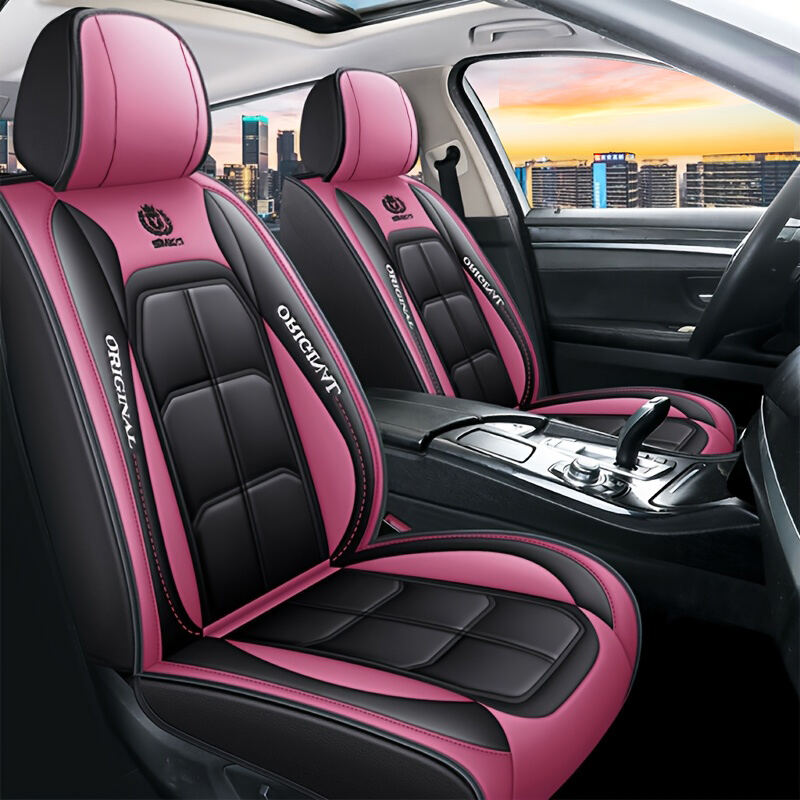
In the competitive automotive accessories market, securing a one-time sale is far less valuable than cultivating a reliable, repeat-buying relationship. For suppliers and manufacturers operating in the car seat cover segment, the difference between a transactional buyer and a long-term partner often comes down to how well you understand their business needs, communication style, and growth objectives. Building partnerships that endure requires a deliberate strategy, not just a quality product.
The car seat cover industry spans a wide range of buyers — from e-commerce retailers and automotive distributors to fleet procurement managers and brick-and-mortar accessory shops. Each buyer profile has distinct priorities, but they all share one fundamental expectation: a supplier who delivers consistent value over time. This article outlines a practical, structured approach for suppliers to build long-term partnerships with car seat cover buyers by focusing on trust, communication, product alignment, and mutual growth.
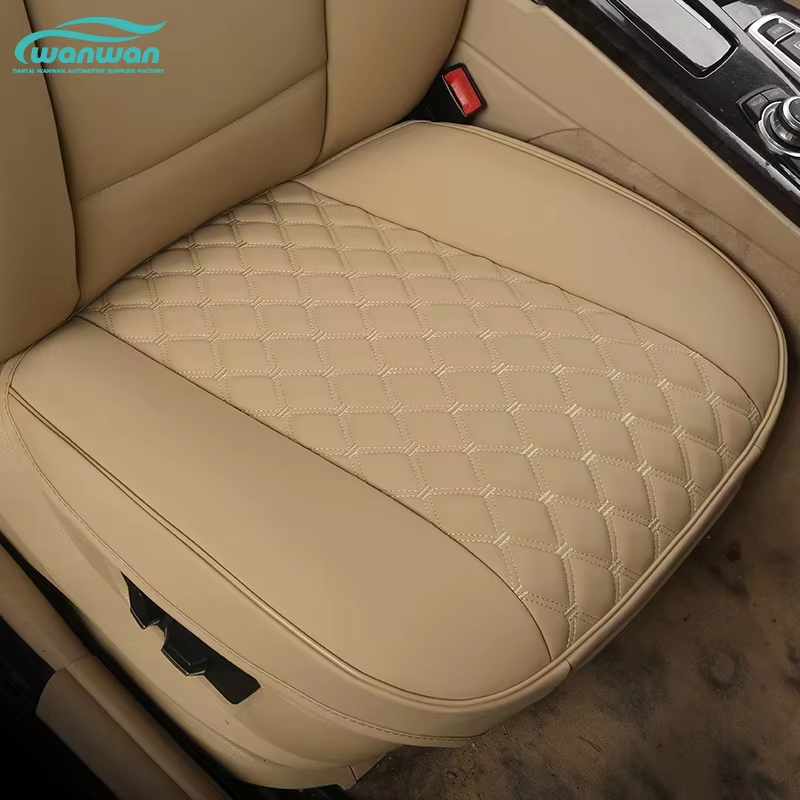
Understanding the Buyer's Business Model and Needs
Mapping Buyer Types in the Car Seat Cover Market
Before any partnership can be built, a supplier must invest time in understanding who their buyers actually are and how they operate. A wholesale distributor sourcing car seat cover products in bulk has fundamentally different priorities compared to an online retailer managing fast-moving seasonal inventory. Distributors often care about unit economics, warehousing compatibility, and volume discounts, while e-commerce buyers tend to prioritize product photography assets, listing-ready packaging, and trend-responsive designs.
Fleet procurement buyers represent another distinct segment. They source car seat cover products to maintain vehicle interiors across large fleets, meaning durability, uniformity, and ease of bulk replacement are non-negotiable criteria. Understanding these distinctions allows suppliers to tailor their pitch, their offer structure, and their after-sales support to what actually matters to each buyer type.
Taking the time to ask the right questions early in a business relationship signals professionalism and genuine interest. Asking about a buyer's sales channels, their customer demographics, and their typical inventory turnover cycle gives suppliers the insight needed to position their car seat cover offering as a strategic fit, rather than just another commodity product.
Aligning Product Range with Long-Term Buyer Demand
Long-term partnerships are sustained by consistent relevance. A supplier whose car seat cover catalog evolves alongside buyer demand is far more likely to retain accounts than one who offers a static product range. Buyers expect their suppliers to bring new designs, material innovations, and compatibility updates that reflect current market trends and vehicle model changes.
Seasonal adaptability is a strong point of differentiation in the car seat cover category. An all-seasons universal design with full backrest surround coverage, for instance, addresses year-round demand and reduces the pressure on buyers to manage multiple seasonal SKUs. Suppliers who proactively present such solutions demonstrate that they understand the operational challenges buyers face, which builds credibility and reinforces partnership value.
Suppliers should also maintain transparency about product development timelines and upcoming model releases. When buyers know that a supplier has a roadmap — not just a current catalog — they can plan their procurement cycles with more confidence, which naturally deepens the dependency and trust that underpin long-term relationships.
Building Trust Through Consistent Communication
Setting Clear Expectations from the First Order
Trust in a B2B context is largely built through reliability, and reliability begins with clear, honest communication from the very first transaction. When a buyer places an initial order for a car seat cover product, every interaction — from order confirmation to shipping updates to invoice accuracy — contributes to their overall impression of the supplier's professionalism. A single miscommunication about lead times or MOQ requirements can plant seeds of doubt that take months to eradicate.
Suppliers should establish a formal onboarding process for new buyers that documents agreed-upon terms, communication channels, and escalation procedures. This not only reduces the risk of misunderstandings but also signals to the buyer that the supplier operates with structured, scalable business processes — a quality that inspires confidence in long-term sourcing relationships.
Being proactive about potential disruptions is equally important. If there is a delay in car seat cover production due to raw material shortages or factory scheduling, informing the buyer in advance — rather than waiting for them to chase — demonstrates accountability. Buyers remember how suppliers behave when things go wrong far more vividly than they remember smooth, uneventful transactions.
Maintaining Ongoing Dialogue Beyond Transactions
Partnership development requires communication that extends beyond the transactional cycle of orders and invoices. Suppliers who regularly share market insights, product updates, or relevant industry news with their car seat cover buyers position themselves as collaborative partners rather than passive vendors. This kind of value-added communication keeps the relationship warm even during periods when no active order is in progress.
Scheduled business review meetings — whether quarterly calls or annual in-person visits — are a powerful tool for deepening partnerships. These sessions create a structured opportunity to review performance, discuss upcoming plans, and address any friction points before they become serious problems. A buyer who feels genuinely heard and valued is far less likely to explore alternative suppliers, even when competitors offer marginally lower prices.
Digital communication tools have made it easier than ever to maintain consistent contact without overwhelming buyers. A well-timed message about a new car seat cover design that fits a buyer's target market, or a short update on production capacity availability for their upcoming peak season, can reinforce the sense that the supplier is actively thinking about the buyer's success.
Delivering Consistent Product Quality and Reliability
Quality Control as a Partnership Cornerstone
No amount of relationship-building can compensate for inconsistent product quality. In the car seat cover market, buyers stake their own brand reputation on the products they resell, which means a defective batch does not just create a logistics problem — it creates a trust crisis. Suppliers must implement rigorous quality control processes and be prepared to share inspection reports, material certifications, and factory audit results with key accounts.
Consistency across batches is particularly critical when buyers are building their own private label or branded product lines around a specific car seat cover design. Any variation in stitching quality, material thickness, or color accuracy between production runs can disrupt their customer experience and force expensive returns. Suppliers who can demonstrate tight process controls are inherently more attractive for long-term sourcing agreements.
Offering pre-shipment samples or third-party inspection options for larger orders is a strong signal of quality confidence. It removes risk for the buyer and accelerates decision-making, particularly for buyers who are scaling up their car seat cover procurement volume for the first time. This gesture of transparency often converts cautious buyers into committed, recurring accounts.
Reliability in Lead Times and Supply Chain Stability
Delivery reliability is one of the most frequently cited reasons buyers choose to stay with — or leave — a supplier. In the car seat cover category, where seasonal demand peaks around winter preparation periods and major vehicle launch seasons, missed lead times can have direct consequences on a buyer's revenue and inventory planning. Suppliers who consistently hit their committed delivery windows build a form of operational trust that is extremely difficult to replicate.
Supply chain resilience matters just as much as day-to-day reliability. Buyers who have experienced disruption from single-source suppliers often develop a cautious approach to new partnerships. Suppliers who can demonstrate backup raw material sources, production redundancy, or safety stock arrangements for high-demand car seat cover SKUs address this concern directly and make themselves a safer long-term choice.
Lead time transparency — providing realistic production and shipping timelines rather than optimistic estimates — also plays a significant role in trust-building. Buyers would rather have a confirmed four-week lead time than a promised two-week timeline that consistently slips to five. Honesty about capacity constraints protects the relationship far better than overpromising.
Creating Mutual Value and Growth Incentives
Structuring Pricing and Terms for Partnership Depth
Pricing strategy has a direct impact on the depth and longevity of B2B partnerships in the car seat cover segment. Purely transactional pricing — where every order is negotiated independently — creates a relationship dynamic that keeps buyers permanently in evaluation mode. Structured pricing tiers, volume incentives, and loyalty-based discount frameworks, on the other hand, reward commitment and incentivize buyers to consolidate their car seat cover sourcing with a single trusted supplier.
Annual purchasing agreements are another effective mechanism for formalizing long-term commitment. When both the supplier and the buyer agree to a volume commitment in exchange for fixed pricing and priority capacity allocation, both sides gain planning stability. The buyer avoids price volatility, and the supplier gains predictable demand — a classic win-win that deepens the partnership relationship organically.
Payment terms flexibility for established accounts is also a meaningful gesture of trust. Offering extended payment terms to buyers who have demonstrated consistent order history acknowledges the relationship's maturity and reduces the buyer's working capital burden. In a competitive market where many car seat cover suppliers offer near-identical products, these commercial relationship elements often become the decisive differentiator.
Co-developing Solutions That Serve the Buyer's Market
The highest-value partnerships in the car seat cover industry often involve collaborative product development. When suppliers invite buyers to participate in the design or specification of new products — whether that involves custom embroidery, private label branding, or market-specific fabric choices — the relationship transforms from a simple supply arrangement into a genuine strategic alliance. Buyers who have invested creative input into a product are far more likely to commit to exclusive sourcing agreements.
Sharing market data and sales trend analysis with buyers further elevates the supplier's role from commodity provider to strategic partner. If a supplier can demonstrate, for instance, that a particular car seat cover material is showing strong sales velocity in a specific regional market, and use that insight to recommend a targeted restocking or new product introduction, the buyer gains tangible business value that goes beyond the product itself.
Joint marketing support — such as providing high-quality product imagery, detailed specification sheets, and multilingual product descriptions — also strengthens the partnership. When buyers can quickly and professionally bring a car seat cover product to market using supplier-provided assets, their time-to-revenue improves, and they naturally attribute that efficiency to the supplier relationship.
Managing Challenges Without Damaging the Relationship
Addressing Complaints and Returns Constructively
Even in the best-managed partnerships, quality complaints and return requests will occasionally arise. How a supplier handles these moments defines the long-term trajectory of the relationship far more than the initial problem itself. A supplier who responds to a car seat cover quality complaint with speed, empathy, and a clear resolution path demonstrates that they value the relationship above short-term cost avoidance.
Establishing a structured complaint resolution process — one that includes root cause analysis, corrective action documentation, and follow-up verification — shows buyers that problems are taken seriously at an operational level, not just addressed superficially. Buyers who see genuine process improvement as a result of their feedback are more likely to report issues early in the future, which actually reduces the severity of problems over time.
It is also worth noting that a well-managed complaint resolution can actually strengthen a partnership. Buyers who experience fair, professional handling of a difficult situation often report higher satisfaction levels than buyers who have never encountered a problem at all. The way a supplier shows up under pressure reveals their true character as a business partner.
Adapting to Market Shifts Together
The automotive accessories market evolves continuously, and long-term partnerships require a shared commitment to adaptation. When electric vehicle adoption changes interior design conventions, or when a new material technology emerges that offers better durability or sustainability credentials for a car seat cover product, partners who face these shifts together — sharing intelligence and co-investing in transitions — come out stronger than those who navigate changes in isolation.
Suppliers should position themselves as market-aware partners rather than passive order-takers. Sharing relevant trend reports, attending the same trade events as their buyers, and proactively flagging regulatory changes that could affect car seat cover materials or labeling requirements all demonstrate an active stake in the buyer's long-term success. This investment of attention and knowledge is what elevates a supplier from a vendor to a genuine partner.
Flexibility during market downturns is also a defining quality of long-term partnership. A supplier willing to temporarily adjust MOQs, hold safety stock, or offer extended payment windows during a buyer's difficult period invests in the relationship with a long-term lens. These acts of commercial generosity are rarely forgotten and often result in disproportionate loyalty when market conditions improve.
FAQ
What qualities do car seat cover buyers most value in a long-term supplier?
Buyers in the car seat cover segment consistently prioritize consistent product quality, reliable lead times, transparent communication, and responsive after-sales support. Beyond these fundamentals, they value suppliers who understand their business model, adapt their offerings to market changes, and demonstrate a genuine interest in the buyer's commercial success rather than just completing individual transactions.
How can a supplier differentiate their car seat cover offering in a crowded market?
Differentiation in the car seat cover market goes beyond product specifications. Suppliers who offer co-development opportunities, private label support, multilingual marketing assets, and structured commercial frameworks such as volume pricing tiers or annual agreements create a more compelling value proposition. Reliability, responsiveness, and supply chain transparency are often more decisive than price alone when buyers are selecting a long-term partner.
How often should suppliers communicate with their car seat cover buyers to maintain the relationship?
There is no single correct frequency, but proactive communication should occur at minimum once per month for active accounts, with more frequent touchpoints during peak ordering seasons. Scheduled quarterly business reviews are highly recommended for key accounts. The key is that communication should always carry value — product updates, market insights, capacity notifications, or trend data related to the car seat cover category — rather than being purely transactional check-ins.
What is the best way to recover a car seat cover buyer relationship after a quality issue?
Speed, accountability, and a concrete corrective action plan are the three pillars of effective relationship recovery. Acknowledge the issue promptly, take full responsibility for any defect in the car seat cover product, offer a fair and practical resolution such as replacement or credit, and then document the root cause and the steps taken to prevent recurrence. Following up after the resolution to confirm the buyer's satisfaction is equally important and signals that the relationship matters beyond the immediate problem.
Table of Contents
- Understanding the Buyer's Business Model and Needs
- Building Trust Through Consistent Communication
- Delivering Consistent Product Quality and Reliability
- Creating Mutual Value and Growth Incentives
- Managing Challenges Without Damaging the Relationship
-
FAQ
- What qualities do car seat cover buyers most value in a long-term supplier?
- How can a supplier differentiate their car seat cover offering in a crowded market?
- How often should suppliers communicate with their car seat cover buyers to maintain the relationship?
- What is the best way to recover a car seat cover buyer relationship after a quality issue?