 EN
EN

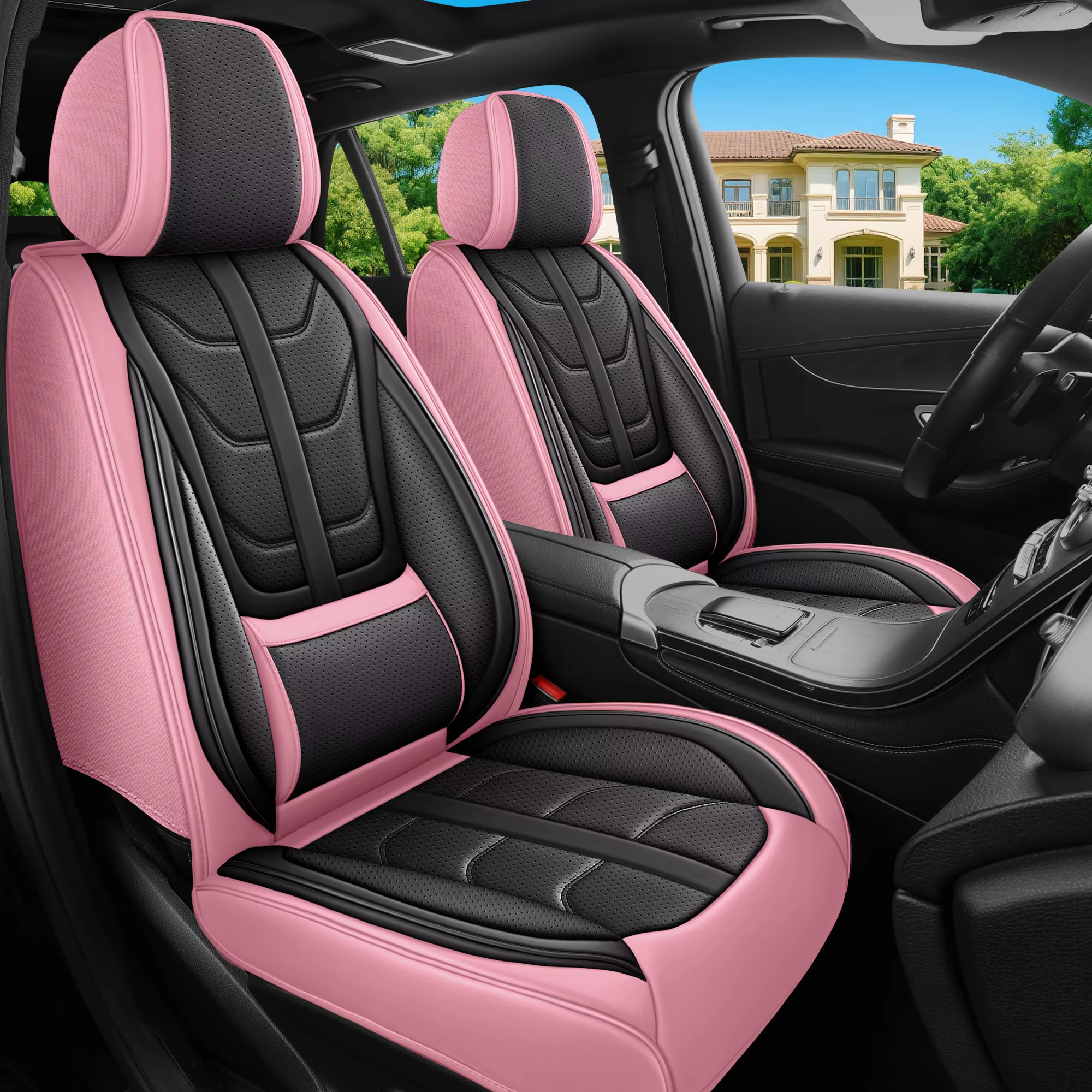
Choosing the right vehicle seat covers is not simply about picking a design that looks appealing. For fleet managers, daily commuters, and automotive enthusiasts alike, the quality of vehicle seat covers directly influences comfort, interior longevity, and overall satisfaction. A poor-quality cover can fray within weeks, trap moisture against your upholstery, or cause uncomfortable heat buildup during long drives. Understanding how to evaluate what you are buying before you commit to a purchase is therefore one of the most practical decisions any vehicle owner can make.
This guide is designed to walk you through the essential evaluation criteria for vehicle seat covers, from material composition and stitching integrity to fit precision and care requirements. Whether you are sourcing a single set for personal use or procuring in volume for a commercial fleet, each of the dimensions covered here will help you distinguish genuinely durable products from those that merely look good in a product photograph. By the end, you will have a structured approach to quality assessment that saves money and avoids the frustration of frequent replacements.
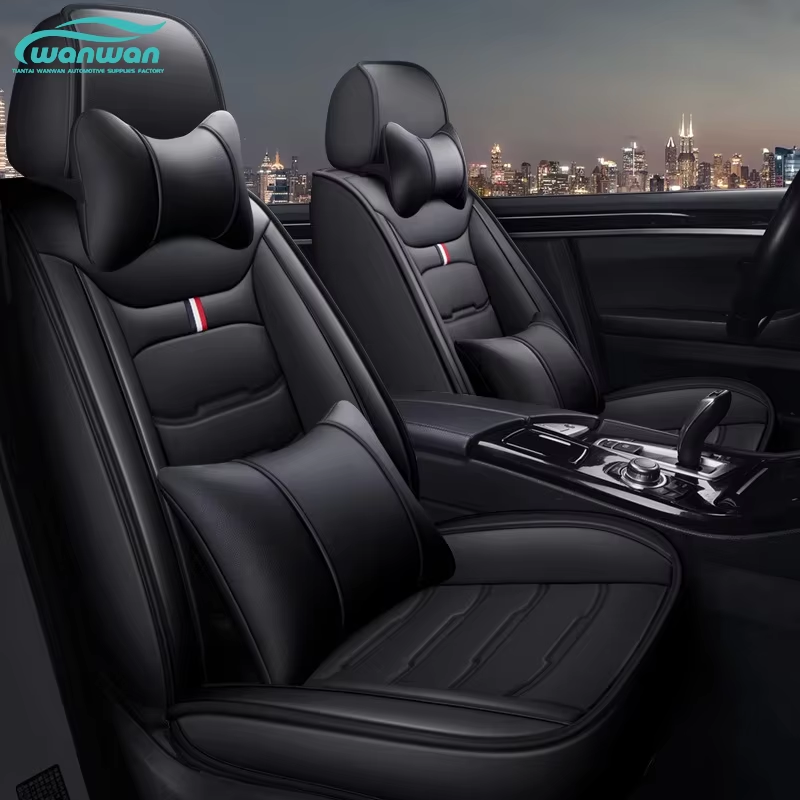
Understanding Material Composition and Its Impact on Quality
The Role of Fabric Type in Long-Term Durability
The foundational quality indicator for any set of vehicle seat covers is the material from which they are constructed. Leather and faux leather options offer a smooth, easy-to-clean surface that resists spills and staining, making them popular for both professional and personal vehicles. High-grade polyester and neoprene blends, on the other hand, provide excellent stretch and resilience, accommodating a wider variety of seat shapes without losing form over time. Understanding what each material offers allows you to match your purchase to your specific usage conditions.
When evaluating vehicle seat covers made from synthetic leather, pay close attention to the backing layer. A quality backing, often a knit or foam composite, prevents the outer surface from cracking or peeling under repeated friction and UV exposure. Cheaper alternatives typically use a thin, non-breathable backing that separates from the outer layer after modest use. Rubbing the back of the material between your fingers can reveal whether the bonding feels secure or brittle before you make any commitment to buy.
Natural fiber materials such as linen and cotton blends are another category worth understanding. These fabrics breathe well in warm climates, but their quality varies significantly depending on thread count and weave tightness. A tightly woven fabric resists pilling and abrasion far better than a loosely constructed alternative, and this distinction is often visible to the naked eye when you compare samples side by side. Always request material swatches or detailed close-up photographs when shopping for vehicle seat covers through digital channels.
Evaluating Surface Treatments and Protective Coatings
Many premium vehicle seat covers feature surface treatments designed to extend functional life and improve user experience. Water-repellent coatings, for example, are applied to the outer face of the fabric to prevent liquid absorption in case of spills. When evaluating this feature, check whether the coating is an integral part of the fabric construction or merely a topical spray. Integral treatments withstand repeated washing far better and do not require reapplication over time.
Anti-UV coatings are equally important for vehicles regularly parked in direct sunlight. Prolonged UV exposure causes dyes to fade and synthetic materials to harden and crack, dramatically shortening the useful life of any set of vehicle seat covers. Ask the supplier about UV resistance ratings or look for internationally recognized certifications that verify these claims. Products that carry verifiable testing documentation are considerably more trustworthy than those supported only by marketing language.
Assessing Stitching, Seam Construction, and Structural Integrity
What Stitch Density Tells You About Product Quality
Stitching is one of the most revealing indicators of manufacturing quality in vehicle seat covers. A high stitch density — typically 8 to 12 stitches per centimeter — distributes tension evenly across seams and significantly reduces the risk of tearing under the stress of regular seating and exiting. Examine seam lines visually and, if possible, physically stress-test a corner to gauge how well the thread holds under modest pulling force. Loose or skipped stitches are a clear warning sign regardless of how impressive the overall appearance may be.
Double-stitched and reinforced seams at high-stress areas — such as the edges that wrap around seat bases and headrests — are a hallmark of professional-grade vehicle seat covers. Single-stitched construction saves production cost but frequently leads to early failure at these critical contact points. When reviewing product specifications, look explicitly for references to reinforced stitching or double-lock seam construction, and treat their absence as a potential quality deficiency.
Thread Material and Its Effect on Longevity
The quality of the thread used in vehicle seat covers matters as much as the density of the stitching. Polyester thread is the standard choice for durable covers because it resists moisture, mildew, and UV degradation significantly better than cotton thread. Cotton thread may look acceptable initially but tends to weaken with repeated washing and humidity exposure, leading to seam failures that unravel progressively from a single weak point.
Color consistency between thread and fabric is another subtle but useful quality signal. High-quality vehicle seat covers use colorfastness-tested dyes that maintain visual cohesion after multiple wash cycles. If product images show thread color variation across seam lines, or if customer feedback mentions fading thread before fabric, these are indicators of inconsistent quality control in the production process.
Evaluating Fit, Compatibility, and Installation Precision
Universal Fit Versus Custom-Cut Designs
Fit is arguably the most practical quality dimension when evaluating vehicle seat covers. A cover that does not conform properly to the seat shape will bunch, slip, and create uncomfortable pressure points during driving. Universal-fit designs rely on elastic bands and straps to approximate fit across a range of vehicle models, offering convenience and lower cost at the expense of precision. Custom-cut designs, by contrast, are patterned to specific vehicle makes and models, producing a cleaner appearance and more stable installation.
When assessing a universal-fit option, inspect the elastic quality closely. Low-grade elastic loses tension quickly, leading to covers that shift during use and require constant repositioning. High-quality elastic retains its tension through repeated installation and removal cycles and does not leave visible indentations or creasing on the underlying seat upholstery. A good quality vehicle seat covers product will specify the elastic composition and tension rating in its technical documentation, which is a strong indicator of manufacturer confidence in the design.
Side airbag compatibility is a critical technical requirement that is sometimes overlooked during evaluation. Many modern vehicles are equipped with side-impact airbags integrated into the seat structure. Vehicle seat covers that are not designed to accommodate airbag deployment can obstruct the mechanism and compromise occupant safety during an accident. Always confirm explicitly whether the product has been tested for airbag compatibility, and prioritize suppliers who can provide documentation of this testing.
Attachment Mechanisms and Retention Systems
The method by which vehicle seat covers are secured to the seat frame significantly affects both ease of installation and long-term stability. Hook-and-loop systems provide moderate retention and allow for easy removal but can degrade in adhesion strength over repeated wash cycles. Strap-and-buckle systems offer stronger hold and are more resistant to slippage during dynamic driving conditions, though they require more installation effort and may not be suitable for all seat configurations.
Some premium vehicle seat covers incorporate a combination of retention mechanisms — for instance, an elastic base combined with internal straps that thread beneath the seat cushion — to deliver maximum stability without compromising removal convenience. When evaluating attachment systems, think about your own usage patterns. Covers that need to be removed frequently for cleaning benefit from simpler attachment, while those intended as permanent protection justify a more complex but secure retention system.
Practicality Factors: Washability, Maintenance, and Breathability
Wash-Free and Easy-Care Design Features
For many buyers, the practical maintenance burden of vehicle seat covers is as important as their physical durability. Covers marketed as wash-free or easy-care typically feature smooth surface materials that resist dust accumulation and can be wiped clean with a damp cloth rather than requiring machine washing. This is particularly valuable in commercial or fleet settings where minimizing maintenance downtime is a priority. Evaluate whether the product's easy-care claims are supported by material logic — smooth, non-porous surfaces genuinely deliver on this promise, whereas textured fabrics may collect debris regardless of marketing language.
For covers that do require periodic washing, check the manufacturer's recommended care instructions carefully. Vehicle seat covers that can only be hand-washed or dry-cleaned introduce a meaningful operational inconvenience, while those rated for machine washing at moderate temperatures offer significantly greater practicality. Colorfastness after washing is another key parameter — ask for testing data or read verified user reviews that specifically address color retention after multiple wash cycles.
Breathability and Thermal Comfort Across Seasons
Thermal comfort is a frequently underestimated quality dimension in vehicle seat covers. In hot climates or during summer months, non-breathable materials trap body heat and moisture, creating discomfort during extended drives. Mesh-backed designs and perforated surface fabrics allow air circulation that moderates seat temperature and reduces perspiration buildup. When evaluating any cover for year-round use, look specifically for breathability features and consider whether the product's thermal properties match the climate in which the vehicle primarily operates.
Cold-weather performance is equally worth examining. Some vehicle seat covers made from thick foam-backed materials retain cold temperatures in winter, feeling uncomfortable until body heat warms the surface. Materials with moderate insulating properties — such as certain polyester blends — strike a better balance between seasonal performance extremes. A product described explicitly as four-seasons universal or all-climate compatible should provide documentation or detailed material data to support that claim rather than relying on general marketing assertions.
FAQ
What is the most important quality factor to check when buying vehicle seat covers?
Material composition is typically the most foundational factor, as it determines durability, comfort, and maintenance requirements. However, stitching quality and fit precision are equally critical in practice. Evaluating all three together gives you the most complete picture of whether a set of vehicle seat covers will perform well over time. Do not focus exclusively on visual appearance, as the most visually appealing products are not always the most structurally sound.
How can I verify whether vehicle seat covers are compatible with side airbags?
Request explicit documentation from the supplier confirming that the vehicle seat covers have been tested for side airbag deployment compatibility. Reputable manufacturers include this information in their product specifications or provide it upon request. Covers not designed for airbag compatibility can interfere with the deployment mechanism and must be avoided in vehicles with integrated seat-side airbags, which are standard in most modern passenger vehicles.
Are wash-free vehicle seat covers genuinely maintenance-free?
Wash-free vehicle seat covers are designed to minimize maintenance effort through smooth, wipeable surface materials, but they are not entirely without maintenance requirements. They still benefit from regular surface wiping to remove dust, oils, and light soiling. The key advantage is eliminating the need for full machine washing in most scenarios. For heavily soiled conditions — such as work vehicles or vehicles used by children — periodic deeper cleaning may still be necessary even with wash-free covers.
How does thread quality affect the lifespan of vehicle seat covers?
Thread quality has a direct and measurable effect on the structural lifespan of vehicle seat covers. Polyester thread resists moisture, UV degradation, and friction far better than cotton alternatives, meaning seams remain intact through years of regular use and washing. Poor thread quality is often the first failure point in otherwise acceptable covers — once a seam begins to unravel, the deterioration typically accelerates rapidly and the cover becomes unusable well before the fabric itself would have worn out.