 EN
EN

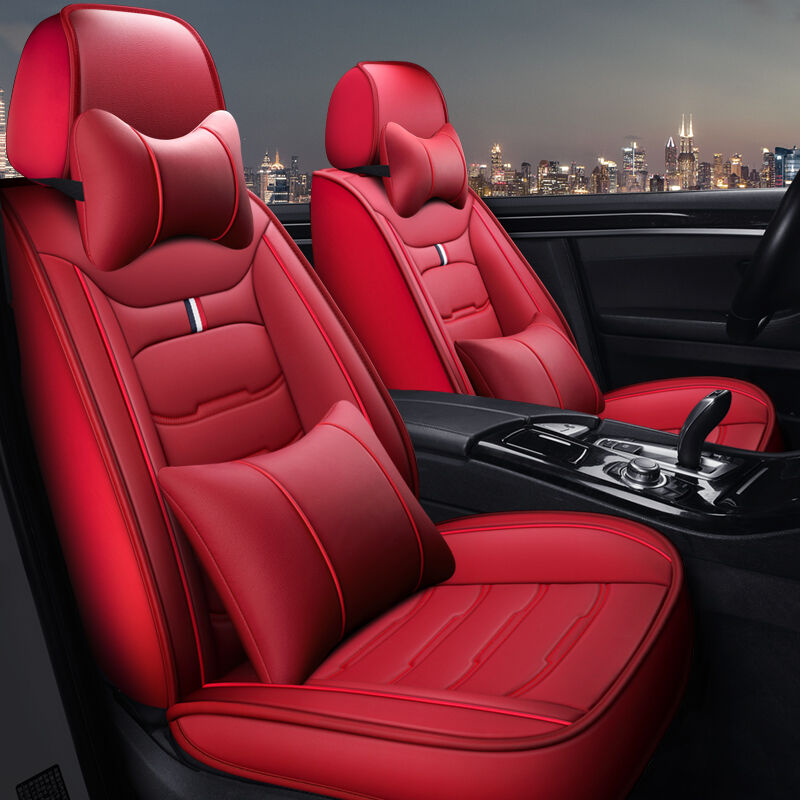
Choosing the right car seat cover is one of the most practical decisions a vehicle owner can make, yet it is also one of the most misunderstood. With countless options available across different materials, designs, and fitment types, many buyers end up with a product that looks appealing in photos but fails to fit correctly on their specific vehicle model. Understanding how to match a car seat cover to your exact vehicle configuration is the foundation of a smart purchasing decision, whether you drive a compact sedan, a full-size SUV, a pickup truck, or a commercial van.
The market for car seat cover products has evolved significantly in recent years, with universal-fit designs becoming increasingly refined to accommodate a broader range of vehicle seat configurations. At the same time, semi-custom and custom-cut options have grown in accessibility and price competitiveness. This article walks through the essential selection criteria, fit considerations, material decisions, and model-specific compatibility factors that every buyer should evaluate before making a purchase. Whether you are sourcing a single set for personal use or procuring in bulk for a fleet, the principles covered here will help you make a well-informed choice.
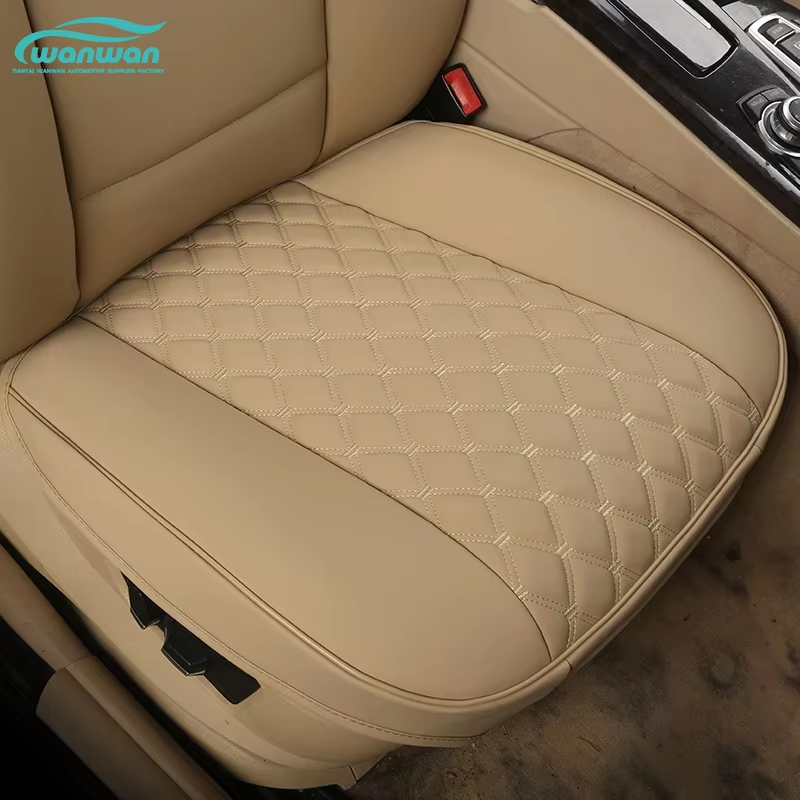
Understanding Universal Versus Model-Specific Fitment
The Case for Universal Car Seat Covers
A universal car seat cover is designed to stretch and conform across a wide range of seat shapes and sizes. These products rely on elastic hems, adjustable straps, and flexible backing materials to create a snug fit on different seat profiles. The primary advantage is versatility — a single design can be used across multiple vehicle models, which makes them especially valuable for fleet operators, rental companies, and businesses that manage mixed vehicle inventories.
However, universal fitment is not without limitations. Vehicles with highly integrated headrests, built-in side airbags, or deeply bolstered sport seats may not achieve a perfectly smooth fit with a standard universal design. In such cases, the car seat cover may bunch, shift, or interfere with safety features if the product has not been specifically engineered to accommodate those configurations. Buyers should always verify that the product specifies compatibility with side-impact airbag deployment before installation on such vehicles.
That said, modern universal car seat cover products have addressed many of these issues through split-back designs, separate headrest covers, and modular installation systems. A well-engineered all-seasons universal design can serve the majority of mainstream passenger vehicle models effectively, providing a balance between cost efficiency and adequate fitment across multiple seat types.
When Model-Specific or Semi-Custom Covers Are Worth Considering
For vehicle owners who prioritize a precise, tailored appearance, model-specific or semi-custom car seat cover options are the better choice. These are designed using measurements taken directly from original equipment manufacturer seat dimensions, resulting in a fit that closely mirrors the contours of the factory upholstery. The result is a cleaner aesthetic with fewer wrinkles or loose sections.
Semi-custom covers fall between fully universal and fully custom products. They are typically produced in size ranges such as small, medium, and large, and are matched to vehicle categories including compact cars, mid-size sedans, full-size trucks, and SUVs. This approach gives buyers improved fitment without the lead time and cost associated with fully custom orders. When selecting a semi-custom car seat cover, it is essential to reference the manufacturer's vehicle compatibility chart and cross-check against your specific model year, seat width, and headrest type.
Key Factors That Affect Compatibility Across Vehicle Models
Seat Configuration and Backrest Design
One of the most important compatibility variables when selecting a car seat cover is the seat configuration of the vehicle. Front seats in most passenger vehicles are individual bucket seats, but rear seating arrangements vary considerably. Some vehicles have a 60/40 split-fold rear bench, while others feature a 40/20/40 configuration or a fully flat bench. A car seat cover designed for a 60/40 split will not fit properly on a 40/20/40 rear layout without modification.
The backrest design is equally critical. Vehicles with integrated lumbar support systems, map pockets sewn into the back of the seat, or center console armrests attached to the rear seat will require a car seat cover that accommodates these features. Look for products that include access openings or reinforced attachment points around armrests and pocket locations. A car seat cover with full backrest surround design, for example, must be structured to wrap the seat comprehensively while still allowing access to commonly used features.
Headrest and Side Airbag Considerations
Headrests come in several designs: fixed integrated headrests, adjustable posts with two-post configurations, and no-post designs that are integrated directly into the seatback. Each of these requires a different installation approach for a car seat cover. Products that include separate headrest covers with their own elastic fitting are generally the most adaptable across different headrest configurations.
Side airbags embedded within the seat bolster are a critical safety consideration. A car seat cover installed over a seat with integrated side airbags must have a seam or opening along the side bolster that will allow the airbag to deploy without obstruction. Reputable manufacturers will explicitly state whether their car seat cover is airbag-compatible. Never install a cover that lacks this certification on a vehicle with side-impact airbag systems, as doing so can compromise occupant safety in a collision scenario.
Material Selection and Its Relationship to Vehicle Use Cases
Matching Material to Climate and Daily Use
The material of a car seat cover should reflect the climate conditions in which the vehicle operates and the nature of daily use. In hot climates, breathable fabrics such as mesh, linen blend, or open-weave polyester help prevent heat buildup and perspiration discomfort during summer months. In colder climates, materials with thermal retention properties such as plush fleece or padded velvet provide comfort during winter driving.
For vehicles used in rugged or commercial environments — construction sites, agricultural settings, or off-road applications — a car seat cover made from heavy-duty materials such as neoprene, canvas-style polyester, or leatherette offers superior abrasion resistance and is significantly easier to clean after exposure to mud, grease, or other contaminants. These materials also tend to be more resistant to tearing, which is important when occupants frequently enter and exit the vehicle with work clothing, tools, or equipment.
All-Season Materials for Multi-Model Fleets
For businesses or fleet managers who need a single car seat cover solution that performs consistently across different vehicle models and throughout seasonal changes, all-seasons materials offer the most practical answer. These typically combine a layer of temperature-regulating fabric with a non-slip base that holds the cover in position regardless of the seat contour. The car seat cover designed for all-seasons use with a full backrest surround is a strong candidate for applications requiring year-round performance and cross-model fitment.
The full backrest surround design is particularly notable for multi-model applications because it eliminates one of the most common fitment complaints — the rear of the cover lifting or sliding away from the seatback. By fully encasing the backrest, the cover stays anchored even on seats with varied curvature or depth, which is a common challenge when applying one cover design across different vehicle classes within the same fleet or household.
Installation Process and Practical Fitment Verification
Step-by-Step Installation Logic for Different Seat Types
Installing a car seat cover correctly is just as important as selecting the right product. An improperly installed cover will shift during driving, create uncomfortable wrinkles beneath occupants, and may interfere with seat adjustment mechanisms. Begin the installation by removing the headrest if the design allows for it, then drape the backrest section of the car seat cover over the top of the seat and pull it downward to align with the seat contour.
Once the backrest section is positioned, thread any anchor straps or elastic bands beneath the seat and through the gap between the backrest and seat cushion. Secure all attachment points before proceeding to install the seat cushion portion of the car seat cover. Tuck any excess material into the crevices between the cushion and the seatback, then check all seams for alignment. Finally, reinstall the headrest through the appropriate openings and adjust all straps for tension to ensure the cover remains stationary during use.
Verifying Fit Before Committing to a Full Purchase
Before purchasing a car seat cover in bulk or committing to a full interior set, it is advisable to test a single unit on one of the target vehicle models first. This allows you to evaluate the actual fitment, check for any interference with seat controls, heating elements, or airbag systems, and confirm that the material performs as expected in the vehicle's climate environment. A trial unit approach is standard practice in fleet procurement and helps avoid costly bulk returns or replacements.
When evaluating the test car seat cover, pay attention to whether the seat adjustment lever remains accessible, whether seat belts retract smoothly without snagging, and whether the cover affects the seat's ability to fold forward if required for passenger or cargo access. These functional checks are often overlooked when buyers focus primarily on appearance, but they are essential for ensuring that the car seat cover does not create operational inconveniences after installation.
Sourcing Considerations for B2B and Fleet Buyers
Volume Requirements and Product Consistency
For B2B buyers sourcing a car seat cover solution for fleet vehicles, consistency of product quality across batches is a primary concern. When purchasing in volume, it is important to request product specifications in writing, including material weight, stitching density, attachment hardware specifications, and compliance certifications. These details directly affect the durability and safety performance of the car seat cover when used across many vehicles simultaneously.
It is also worth evaluating whether the supplier can accommodate custom branding or color requirements, particularly for corporate fleets or passenger transport companies that maintain a consistent visual identity across their vehicle interiors. Many manufacturers offer OEM and ODM services for car seat cover products, allowing buyers to specify colors, logos, or design elements without changing the core structural specifications.
Evaluating Product Certifications and Compliance
A reliable car seat cover product intended for sale in major markets should meet applicable safety and material standards. For products sold in markets such as the United States, Europe, or Australia, relevant considerations include REACH compliance for chemical safety in textile products, OEKO-TEX certification for fabric safety, and explicit airbag compatibility declarations. Buyers should request documentation supporting these claims rather than relying solely on marketing language.
Quality stitching standards and seam strength testing are also relevant, particularly for a car seat cover that will be installed and removed repeatedly or used in high-wear environments. A reinforced double-stitch perimeter and bar-tacked attachment points are indicators of a durably constructed product. Evaluating these details during the sourcing process will reduce product return rates and extend the usable lifespan of each car seat cover unit across the fleet.
FAQ
Can one car seat cover design fit both sedans and SUVs?
A well-engineered universal car seat cover can often fit both sedan and SUV front seats due to adjustable elastic and strap systems. However, rear seat fitment will differ because SUVs typically have wider and deeper rear benches than sedans. For rear applications, it is advisable to check whether the product specifies compatibility with the rear seat configuration of each vehicle type, and when possible, use a size-appropriate semi-custom option for rear installations.
How do I know if a car seat cover is compatible with side airbags?
Airbag-compatible car seat cover products are typically marked with an explicit airbag-safe label or certification on the product packaging and specification sheet. The cover should have a designed seam opening along the side bolster area that allows the airbag to break through cleanly during deployment. If this information is not clearly stated by the manufacturer, treat the product as non-airbag-compatible and do not install it on vehicles with side-impact airbag systems.
What is the best material for a car seat cover used year-round in mixed climates?
For year-round use across mixed climates, an all-seasons car seat cover made from a breathable yet thermally stable fabric is the most practical choice. Blended polyester constructions with moisture-wicking properties perform well across both warm and cold conditions. Avoid materials that are highly heat-retentive in warm weather or prone to stiffening in cold temperatures, such as pure leather or memory foam, unless the vehicle interior is climate-controlled throughout the year.
How can I ensure a car seat cover stays in place during daily driving?
Ensuring that a car seat cover stays securely in place involves both product selection and correct installation. Choose a product with a non-slip base layer, multiple anchor straps, and elastic hems that are sized appropriately for your seat dimensions. During installation, tuck all excess material firmly into seat crevices and check that all straps are pulled tight and properly secured. A full backrest surround design significantly improves cover stability by eliminating the gap through which standard covers tend to slip backward over time.