 EN
EN

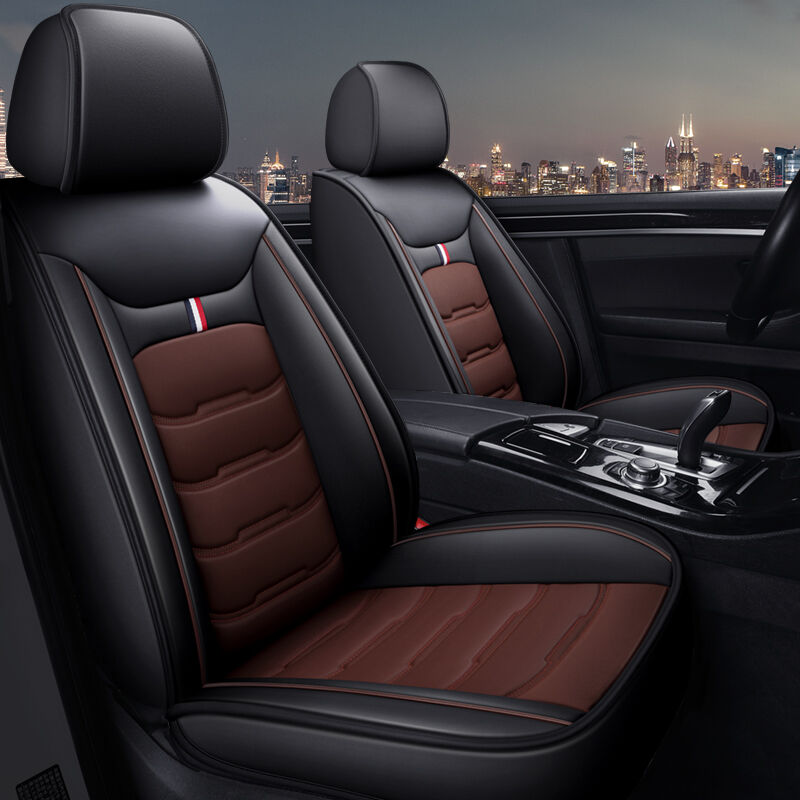
When it comes to enhancing your driving experience, choosing the right car seat cushions can make all the difference between an uncomfortable journey and a luxurious ride. Modern drivers spend countless hours behind the wheel, making the selection of appropriate cushioning materials crucial for both comfort and long-term durability. The market offers numerous options, each with distinct advantages and characteristics that cater to different preferences and driving conditions. Understanding the properties of various materials helps drivers make informed decisions that will serve them well for years to come.
Premium Leather Materials for Superior Comfort
Genuine Leather Advantages
Genuine leather remains the gold standard for luxury car seat cushions due to its exceptional combination of comfort, durability, and aesthetic appeal. This natural material adapts to body temperature, providing a comfortable seating surface in both hot and cold conditions. Leather car seat cushions develop a unique patina over time, enhancing their appearance while maintaining structural integrity. The breathability of quality leather prevents excessive moisture buildup, keeping drivers comfortable during extended trips. Professional-grade leather treatments ensure resistance to cracking, fading, and wear patterns that typically affect lower-quality materials.
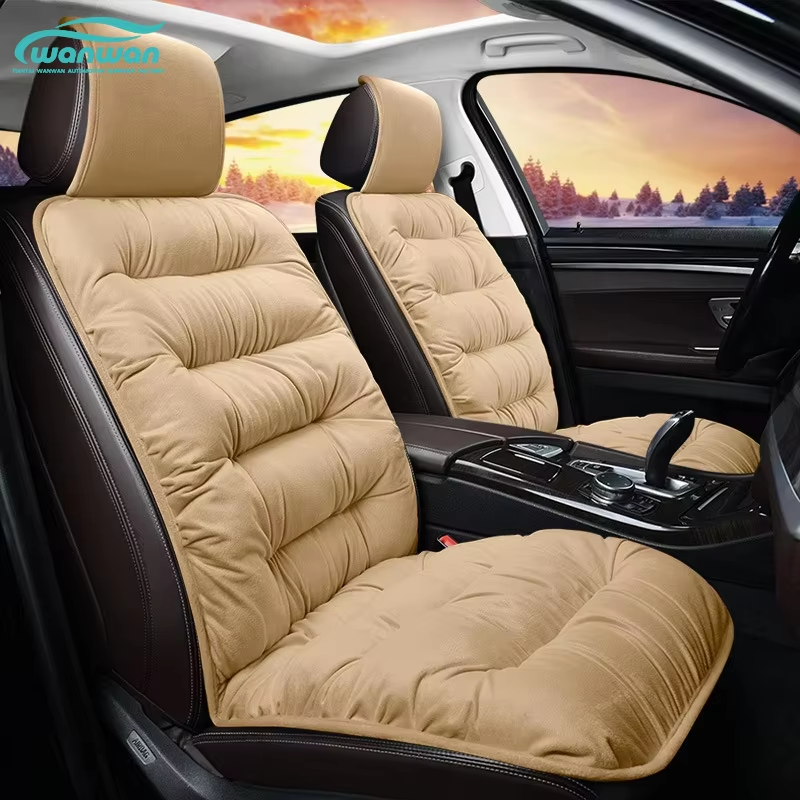
The investment in genuine leather car seat cushions pays dividends through longevity and maintained resale value. Premium leather undergoes specialized tanning processes that enhance flexibility and resistance to environmental factors. Regular maintenance with appropriate leather conditioners preserves the material's suppleness and prevents premature aging. Quality leather cushions can withstand daily use for decades while maintaining their original comfort characteristics and visual appeal.
Synthetic Leather Alternatives
Modern synthetic leather technology has revolutionized the car seat cushions market by offering leather-like qualities at more accessible price points. Advanced polyurethane and vinyl formulations closely mimic genuine leather's texture and appearance while providing enhanced stain resistance and easier maintenance. These materials excel in households with children or pets, as they resist absorption of spills and odors that might permanently damage natural leather.
Contemporary synthetic leather car seat cushions incorporate innovative manufacturing techniques that improve breathability and reduce the plastic-like feel associated with earlier versions. Many synthetic options feature perforations or specialized coatings that enhance air circulation and temperature regulation. The consistency of synthetic materials ensures uniform appearance and performance across all cushion surfaces, eliminating the natural variations found in genuine leather products.
Memory Foam Technology and Comfort Innovation
Pressure-Relieving Properties
Memory foam has transformed the comfort standards for car seat cushions by providing personalized support that adapts to individual body contours. This viscoelastic material responds to body heat and pressure, creating custom support zones that distribute weight evenly and reduce pressure points. The slow recovery characteristic of memory foam ensures consistent support throughout long driving sessions, preventing the fatigue and discomfort associated with traditional cushioning materials.
Advanced memory foam car seat cushions incorporate varying densities to optimize support for different body areas. Higher-density foam provides structural support for the lower back and thighs, while softer densities cushion sensitive pressure points. This engineered approach to comfort design addresses the specific ergonomic needs of drivers and passengers, promoting proper spinal alignment and reducing the risk of developing back pain during extended travel.
Temperature-Regulating Features
Modern memory foam car seat cushions integrate cooling technologies to address traditional heat retention concerns associated with this material. Gel-infused foams, copper particles, and phase-change materials work together to dissipate body heat and maintain comfortable seating temperatures. Open-cell foam structures enhance airflow through the cushion, preventing the buildup of heat and moisture that can lead to discomfort during warm weather or long trips.
Breathable fabric covers complement the cooling properties of advanced memory foam, creating a comprehensive temperature management system. These covers often feature moisture-wicking properties that transport perspiration away from the body, maintaining a dry and comfortable seating environment. The combination of cooling foam technology and breathable coverings ensures that car seat cushions remain comfortable across various climate conditions and driving durations.
Natural Fiber Options for Breathability
Cotton and Linen Blends
Natural fiber car seat cushions offer unparalleled breathability and comfort for drivers who prioritize airflow and moisture management. Cotton and linen blends create cushion covers that naturally regulate temperature and prevent the accumulation of heat and humidity. These materials excel in warm climates or for drivers who experience excessive perspiration during travel. The natural properties of these fibers make them inherently antimicrobial and resistant to odor retention.
Premium cotton and linen car seat cushions undergo specialized weaving processes that enhance durability while maintaining the soft, comfortable feel that makes natural fibers so appealing. Reinforced stitching and quality construction ensure that these cushions withstand regular use without developing wear patterns or losing their shape. The ability to launder natural fiber cushions easily makes them practical choices for families and commercial applications where cleanliness is paramount.
Bamboo Fiber Innovation
Bamboo fiber represents the cutting edge of sustainable car seat cushions technology, combining environmental responsibility with exceptional performance characteristics. This rapidly renewable resource produces fibers with natural antibacterial and antifungal properties, making bamboo cushions ideal for maintaining hygiene in vehicle interiors. The smooth, round fiber structure of bamboo creates a silk-like feel that enhances comfort while providing excellent temperature regulation.
The moisture-wicking capabilities of bamboo fiber surpass those of traditional materials, keeping car seat cushions dry and comfortable even during humid conditions or intense physical activity. Bamboo's natural UV resistance helps prevent fading and degradation when exposed to sunlight through vehicle windows. The biodegradable nature of bamboo fiber appeals to environmentally conscious consumers who want to minimize their ecological footprint without compromising on comfort or durability.
High-Performance Synthetic Materials
Neoprene and Waterproof Options
Neoprene car seat cushions provide unmatched durability and weather resistance for drivers who face challenging environmental conditions. This synthetic rubber material offers complete waterproof protection while maintaining flexibility and comfort across extreme temperature ranges. Neoprene cushions excel in marine environments, construction settings, or any application where exposure to moisture, chemicals, or abrasive materials is common.
The closed-cell structure of neoprene provides inherent insulation properties that help regulate seating temperature in both hot and cold conditions. Quality neoprene car seat cushions feature reinforced seams and stress points that prevent tearing or separation under heavy use. The material's resistance to oils, chemicals, and UV radiation ensures long-term performance in demanding applications where traditional materials would quickly deteriorate.
Advanced Fabric Technologies
Modern textile engineering has produced revolutionary fabric technologies that enhance the performance of car seat cushions through specialized fiber treatments and weave patterns. Microfiber constructions create incredibly soft surfaces that resist staining and maintain their appearance through repeated cleaning cycles. These advanced fabrics often incorporate antimicrobial treatments that prevent the growth of bacteria and fungi, maintaining freshness and hygiene.
Performance fabrics designed for car seat cushions frequently feature enhanced durability characteristics that resist pilling, fading, and abrasion. Specialized coatings and treatments improve stain resistance and make cleaning easier, while maintaining the natural breathability and comfort that make fabric cushions appealing. The development of smart fabrics that respond to environmental conditions represents the future of automotive comfort technology.
Ergonomic Design Considerations
Support Zone Engineering
The design of effective car seat cushions requires careful consideration of human anatomy and the specific stresses imposed by automotive seating positions. Strategic placement of varying support levels addresses the unique pressure distribution patterns created during driving activities. Lumbar support zones provide crucial lower back alignment, while thigh and hip areas receive cushioning that prevents circulation restriction and muscle fatigue.
Professional ergonomic analysis guides the development of car seat cushions that promote healthy posture and reduce the risk of repetitive stress injuries. Graduated firmness levels ensure that the spine maintains its natural curvature while providing adequate support for extended sitting periods. The integration of pressure-mapping technology during the design process ensures optimal comfort for the broadest range of body types and sizes.
Customization and Adjustability
Modern car seat cushions increasingly offer customization options that allow users to fine-tune comfort and support characteristics to match their individual preferences. Modular designs enable the adjustment of firmness levels, thickness, and support zones without requiring complete cushion replacement. This adaptability extends the useful life of cushions as user needs change over time or as multiple drivers share the same vehicle.
Adjustable car seat cushions often incorporate removable inserts or sections that can be repositioned to address specific comfort concerns or physical limitations. These design features make quality cushions accessible to users with varying mobility requirements or those recovering from injuries. The ability to modify cushion characteristics ensures that investment in premium car seat cushions continues to provide value as circumstances change.
Maintenance and Longevity Factors
Cleaning and Care Requirements
The long-term performance of car seat cushions depends heavily on proper maintenance practices that preserve material integrity and appearance. Different materials require specific cleaning approaches that respect their unique properties while removing accumulated dirt, oils, and odors. Regular maintenance schedules prevent the buildup of contaminants that can accelerate wear and compromise comfort characteristics.
Professional-grade cleaning products designed specifically for automotive applications ensure effective cleaning without damaging delicate materials or protective treatments. Understanding the compatibility of cleaning agents with specific cushion materials prevents costly damage and extends service life. Proper drying techniques and storage methods between uses further contribute to the longevity of car seat cushions investment.
Wear Pattern Management
Strategic rotation and positioning of car seat cushions can significantly extend their useful life by distributing wear patterns evenly across all surfaces. Regular inspection for signs of premature wear allows for timely intervention that can prevent minor issues from developing into major problems requiring replacement. Understanding the typical wear characteristics of different materials helps users implement appropriate preventive measures.
Quality car seat cushions are designed with replaceable components that allow for targeted repairs or updates without requiring complete system replacement. This modular approach to durability ensures that minor wear issues don't compromise the entire cushion investment. Regular maintenance of hardware components such as buckles, straps, and adjustment mechanisms ensures optimal performance throughout the cushion's service life.
FAQ
What is the most durable material for car seat cushions
Genuine leather and high-quality neoprene represent the most durable options for car seat cushions, each excelling in different applications. Leather provides long-term comfort and develops character over time, while neoprene offers superior resistance to environmental factors and heavy use. Both materials can last decades with proper care and maintenance.
How often should car seat cushions be replaced
Quality car seat cushions typically last 5-10 years depending on usage intensity and maintenance practices. Signs that replacement is needed include visible wear patterns, loss of support characteristics, persistent odors that cannot be removed, or damage to structural components. Regular inspection helps identify when replacement becomes necessary.
Can car seat cushions improve driving comfort for long trips
Yes, properly selected car seat cushions can dramatically improve comfort during extended driving sessions by providing better pressure distribution, temperature regulation, and ergonomic support. Memory foam and gel-infused materials are particularly effective for long-distance comfort, while breathable fabrics help maintain comfortable temperatures.
Are expensive car seat cushions worth the investment
Premium car seat cushions offer superior materials, construction quality, and longevity that justify higher initial costs for most users. The improved comfort, durability, and potential health benefits from better ergonomic support typically provide excellent return on investment over the cushion's extended service life. Quality cushions also maintain vehicle resale value better than budget alternatives.