 EN
EN

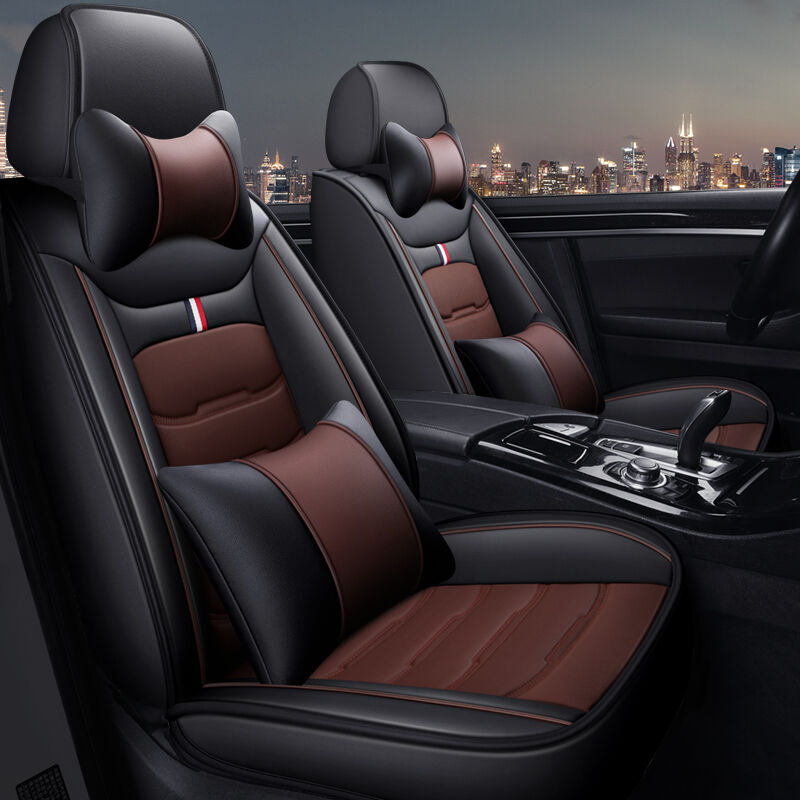
The automotive aftermarket industry continues to experience unprecedented growth, with car seat cover sets representing one of the most sought-after accessories among vehicle owners worldwide. Whether you're a retailer looking to expand your product catalog or a distributor seeking reliable manufacturing partners, understanding the intricacies of sourcing premium car seat cover sets is crucial for business success. The global market for automotive interior accessories has witnessed remarkable expansion, driven by increasing consumer awareness about vehicle aesthetics, comfort, and protection. Professional buyers must navigate complex supply chains, quality standards, and manufacturing capabilities to identify the most suitable suppliers for their specific requirements.
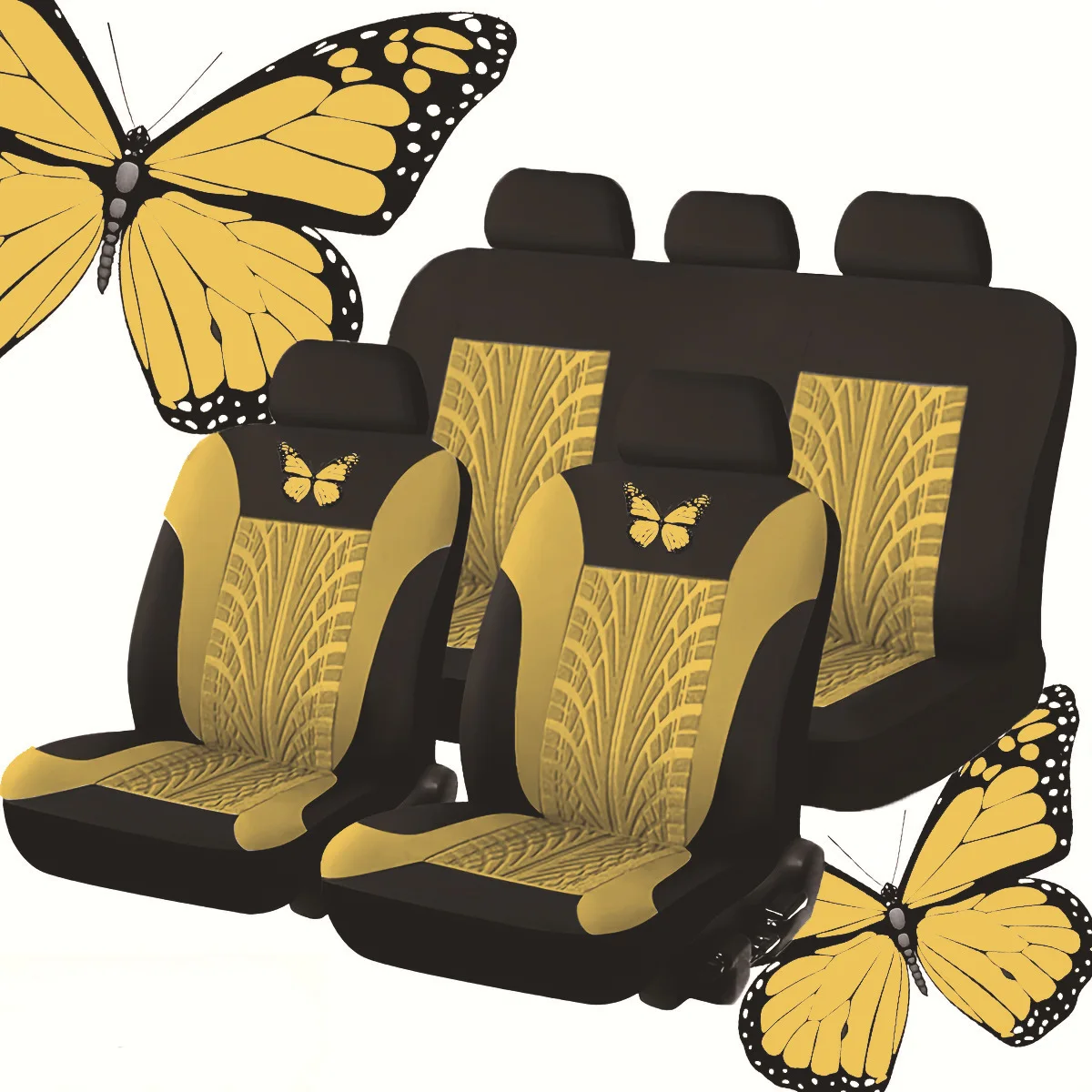
Modern consumers demand exceptional quality, durability, and aesthetic appeal from their automotive accessories, making supplier selection a critical business decision. The manufacturing landscape for car seat cover sets encompasses various production methods, material technologies, and design approaches that directly impact product performance and market reception. Successful sourcing strategies require comprehensive evaluation of manufacturer capabilities, quality control processes, and long-term partnership potential to ensure consistent product delivery and customer satisfaction.
Understanding Market Dynamics for Automotive Seat Covers
Current Industry Trends and Consumer Preferences
The contemporary automotive accessories market reflects evolving consumer preferences toward premium materials, customizable designs, and enhanced functionality. Car seat cover sets have evolved from basic protective elements to sophisticated interior enhancement solutions that complement vehicle aesthetics while providing superior comfort and durability. Market research indicates that consumers prioritize products offering easy installation, machine washability, and compatibility with various vehicle models. Professional buyers must recognize these trends to identify manufacturers capable of producing competitive products that meet contemporary market demands.
Sustainability considerations increasingly influence purchasing decisions, with environmentally conscious consumers seeking eco-friendly materials and manufacturing processes. Manufacturers incorporating recycled materials, water-based adhesives, and energy-efficient production methods gain competitive advantages in today's market landscape. Understanding these preferences enables buyers to select suppliers aligned with current sustainability trends while maintaining product quality and performance standards.
Regional Manufacturing Capabilities and Advantages
Different geographical regions offer distinct advantages for car seat cover sets manufacturing, with Asia-Pacific countries leading in production volume and cost efficiency. Chinese manufacturers dominate the global supply chain through advanced manufacturing infrastructure, skilled workforce availability, and comprehensive material sourcing networks. However, European and North American facilities often excel in premium material processing, innovative design capabilities, and stringent quality control standards that appeal to luxury market segments.
Regional expertise varies significantly across material specializations, with some areas excelling in leather processing while others focus on synthetic material innovations. Buyers must evaluate regional strengths against their specific product requirements, considering factors such as material preferences, target market positioning, and logistical considerations when selecting manufacturing partners for their business operations.
Evaluating Manufacturing Partner Capabilities
Production Capacity and Scalability Assessment
Successful sourcing requires thorough evaluation of manufacturer production capabilities, including daily output capacity, seasonal flexibility, and scalability potential for future business growth. Established manufacturers typically maintain multiple production lines dedicated to different product categories, ensuring consistent supply even during peak demand periods. Car seat cover sets production involves complex processes requiring specialized equipment, skilled operators, and quality control systems that vary significantly among potential suppliers.
Production scalability becomes crucial for businesses anticipating growth or seasonal demand fluctuations. Manufacturers with expandable facilities, flexible workforce arrangements, and established supply chain relationships provide better long-term partnership potential. Buyers should assess production planning systems, inventory management capabilities, and order fulfillment processes to ensure consistent product availability and delivery performance throughout the business relationship.
Quality Control Systems and Certifications
Manufacturing quality directly impacts product performance, customer satisfaction, and brand reputation, making quality control evaluation essential for successful sourcing decisions. Premium car seat cover sets require consistent material specifications, precise manufacturing tolerances, and comprehensive testing procedures to ensure durability and safety compliance. Reputable manufacturers implement systematic quality management systems covering incoming material inspection, production monitoring, and finished product testing phases.
International certifications such as ISO 9001, OEKO-TEX standards, and automotive industry-specific qualifications demonstrate manufacturer commitment to quality excellence and continuous improvement. These certifications provide assurance regarding production consistency, environmental compliance, and worker safety standards that influence long-term business relationships and market acceptance of finished products.
Material Selection and Specification Requirements
Premium Material Options and Performance Characteristics
Material selection significantly influences the performance, durability, and market positioning of car seat cover sets, requiring careful evaluation of available options and their respective characteristics. Genuine leather remains the premium choice for luxury applications, offering superior comfort, aesthetic appeal, and longevity when properly processed and treated. Synthetic leather alternatives provide cost-effective solutions with improved stain resistance, easier maintenance, and consistent color matching across production batches.
Advanced fabric technologies incorporate breathable membranes, moisture-wicking properties, and antimicrobial treatments that enhance user comfort and hygiene. High-quality car seat cover sets utilize multi-layer construction combining different materials to optimize performance characteristics while maintaining competitive pricing. Manufacturers specializing in automotive applications understand the unique requirements for UV resistance, temperature stability, and wear resistance that distinguish automotive applications from general upholstery uses.
Customization Options and Design Flexibility
Modern consumers expect customization options that allow personalization of their vehicle interiors while maintaining professional appearance and functionality. Successful car seat cover sets incorporate design elements such as contrast stitching, embossed patterns, and color combinations that appeal to diverse consumer preferences. Manufacturers with in-house design capabilities and flexible production systems can accommodate custom requirements while maintaining reasonable minimum order quantities and lead times.
Design flexibility extends beyond aesthetic considerations to include functional adaptations for different vehicle models, seat configurations, and special features such as airbag compatibility and heated seat integration. Experienced manufacturers maintain extensive databases of vehicle specifications and seat dimensions, enabling precise pattern development and accurate fitment for various applications without extensive prototyping requirements.
Supply Chain Management and Logistics Considerations
International Shipping and Documentation Requirements
Efficient logistics management plays a crucial role in successful international sourcing of car seat cover sets, requiring coordination of shipping methods, documentation procedures, and customs clearance processes. Ocean freight remains the most cost-effective option for large volume shipments, while air freight provides faster delivery for urgent orders or high-value products. Experienced manufacturers maintain relationships with reliable freight forwarders and logistics providers to ensure smooth transportation and timely delivery to destination markets.
Documentation accuracy becomes critical for customs clearance, with requirements varying among different destination countries and product classifications. Proper classification codes, country of origin declarations, and material composition statements prevent delays and additional costs during importation processes. Manufacturers familiar with international trade requirements provide comprehensive documentation packages and assistance with regulatory compliance to facilitate smooth business operations.
Inventory Management and Order Planning Strategies
Effective inventory management requires careful balance between product availability and carrying costs, particularly for seasonal products like car seat cover sets that experience demand fluctuations throughout the year. Successful buyers develop forecasting models based on historical data, market trends, and promotional activities to optimize order timing and quantities. Collaborative planning with manufacturing partners enables better production scheduling and reduces lead times for standard products while maintaining flexibility for custom requirements.
Safety stock levels must account for shipping delays, quality issues, and unexpected demand increases that could disrupt product availability. Experienced buyers maintain strategic inventory positions while working with manufacturers offering flexible production scheduling and rush order capabilities to address urgent requirements without excessive premium costs or quality compromises.
Building Long-Term Manufacturing Partnerships
Communication Systems and Relationship Management
Successful long-term partnerships with car seat cover sets manufacturers require established communication protocols, regular performance reviews, and collaborative problem-solving approaches. Effective communication systems ensure clear understanding of product requirements, delivery schedules, and quality expectations while providing channels for feedback and continuous improvement initiatives. Regular facility visits and face-to-face meetings strengthen business relationships and provide opportunities to assess manufacturing capabilities firsthand.
Technology platforms enable real-time communication, order tracking, and quality monitoring that enhance transparency and accountability throughout the business relationship. Manufacturers investing in customer relationship management systems demonstrate commitment to professional service and long-term partnership development that benefits both parties through improved efficiency and reduced operational costs.
Performance Monitoring and Continuous Improvement
Ongoing performance monitoring ensures manufacturing partners maintain quality standards, delivery commitments, and service levels throughout the business relationship. Key performance indicators including on-time delivery rates, quality metrics, and customer satisfaction scores provide objective measures for partnership evaluation and improvement planning. Regular performance reviews identify areas for enhancement and recognize outstanding achievements that strengthen collaborative relationships.
Continuous improvement initiatives benefit both buyers and manufacturers through enhanced efficiency, reduced costs, and improved product quality. Successful partnerships involve shared investment in process improvements, technology upgrades, and staff training that create mutual benefits and competitive advantages in the marketplace. These collaborative approaches foster innovation and adaptability that enable both parties to respond effectively to changing market conditions and customer requirements.
FAQ
What minimum order quantities should I expect when sourcing car seat cover sets from manufacturers
Minimum order quantities for car seat cover sets typically range from 100 to 1000 pieces depending on the manufacturer size, product complexity, and customization requirements. Standard products with existing tooling generally have lower minimums, while custom designs or premium materials may require higher quantities to justify setup costs. Established manufacturers often provide flexibility for initial orders with gradual quantity increases as business relationships develop.
How can I verify the quality and authenticity of materials used in production
Material verification requires requesting detailed specifications, certification documents, and physical samples from potential manufacturers. Reputable suppliers provide material test reports, certification from recognized testing laboratories, and detailed composition information for all components used in their car seat cover sets. Third-party inspection services can provide independent verification of material quality and manufacturing processes before finalizing supplier selection.
What factors influence pricing and how can I negotiate competitive rates
Pricing for car seat cover sets depends on material costs, labor rates, order quantities, customization requirements, and shipping terms. Successful negotiation requires understanding these cost components and developing long-term purchase commitments that justify preferential pricing. Building strong relationships with manufacturers and demonstrating reliable payment history often results in better pricing terms and priority treatment during capacity constraints.
How do I ensure compliance with safety and regulatory requirements for different markets
Regulatory compliance requires understanding specific requirements for target markets including flammability standards, chemical restrictions, and labeling requirements. Experienced manufacturers maintain knowledge of international standards and can provide necessary testing documentation and certifications. Working with suppliers who regularly export to your target markets reduces compliance risks and ensures products meet all necessary regulatory requirements for successful market entry.
Table of Contents
- Understanding Market Dynamics for Automotive Seat Covers
- Evaluating Manufacturing Partner Capabilities
- Material Selection and Specification Requirements
- Supply Chain Management and Logistics Considerations
- Building Long-Term Manufacturing Partnerships
-
FAQ
- What minimum order quantities should I expect when sourcing car seat cover sets from manufacturers
- How can I verify the quality and authenticity of materials used in production
- What factors influence pricing and how can I negotiate competitive rates
- How do I ensure compliance with safety and regulatory requirements for different markets