 EN
EN

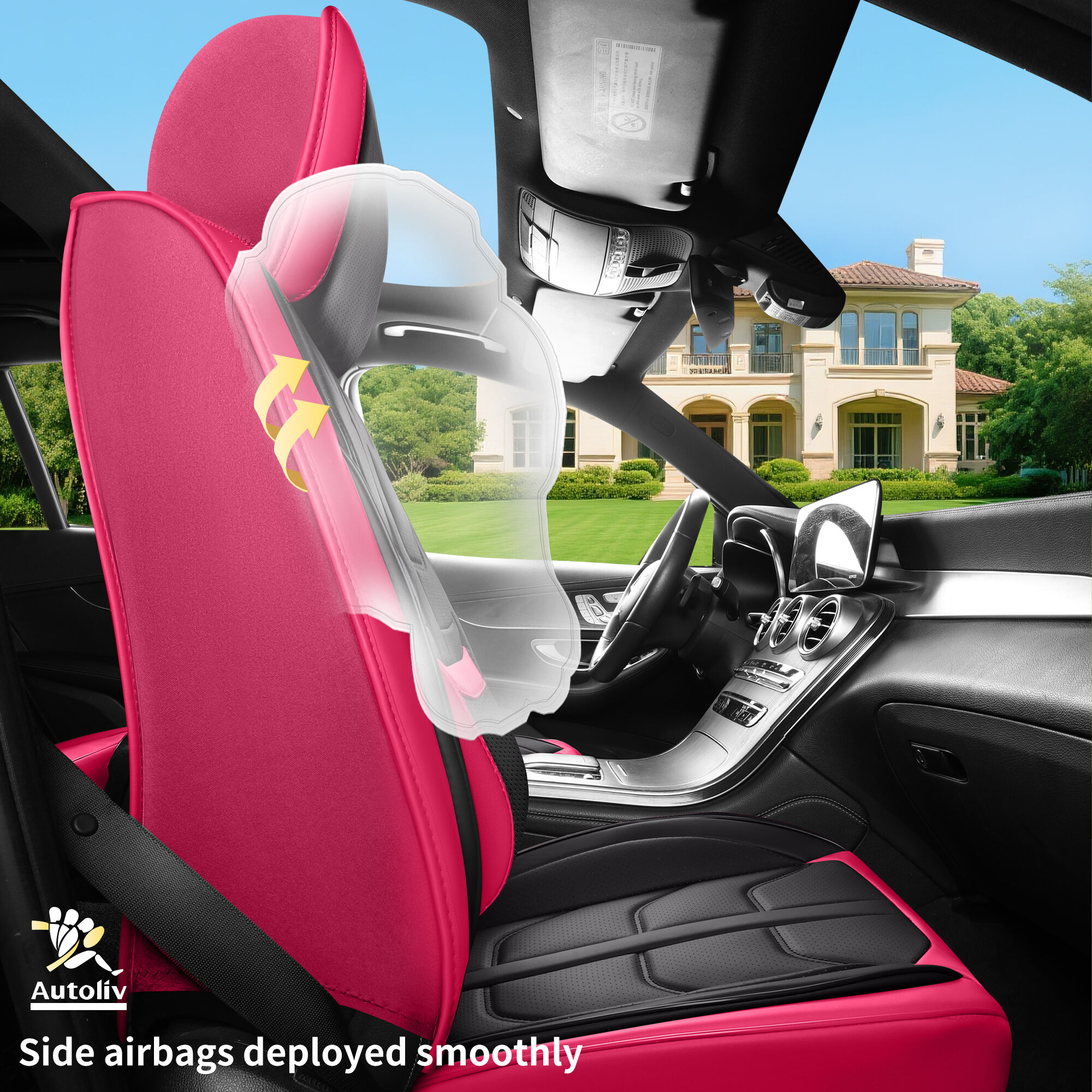
The durability of leather car seat covers depends on a complex interplay of material quality, manufacturing processes, environmental conditions, and maintenance practices. Understanding these critical factors can help car owners make informed decisions about protecting their vehicle's interior while maximizing the lifespan of their investment. Quality leather car seat covers can last anywhere from five to fifteen years when properly maintained, but several key variables significantly influence this timeframe.
The longevity of leather car seat covers is determined by both intrinsic material characteristics and external factors that affect wear patterns over time. Premium leather materials with proper finishing treatments can withstand daily use and environmental stresses much better than lower-grade alternatives. However, even the highest quality leather car seat covers will degrade prematurely without appropriate care and protection from damaging conditions.
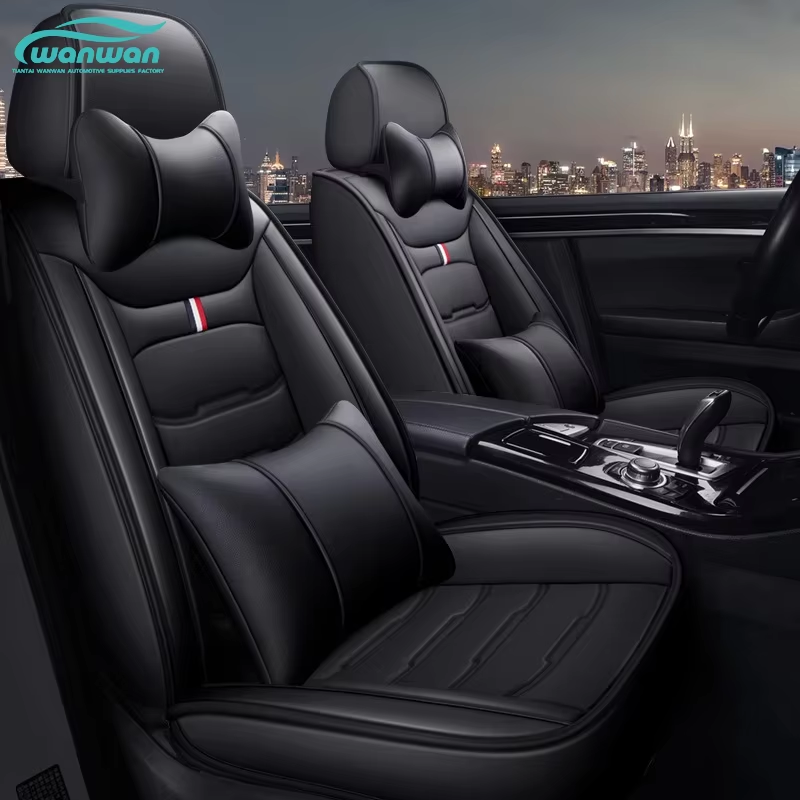
Material Quality and Construction Methods
Leather Grade and Source Selection
The type and grade of leather used in manufacturing significantly impacts the longevity of leather car seat covers. Full-grain leather, which retains the complete grain structure, offers superior durability and natural resistance to cracking compared to corrected-grain or split leather alternatives. Top-grain leather provides excellent balance between durability and cost-effectiveness for automotive applications. The source animal, processing methods, and tanning techniques all contribute to the fundamental strength and flexibility characteristics that determine long-term performance.
High-quality leather car seat covers utilize hides from mature animals with fewer natural imperfections and stronger fiber structures. Chrome tanning processes create more stable and water-resistant leather compared to vegetable tanning methods, though both approaches have specific advantages. The thickness of the leather material also plays a crucial role, with automotive-grade leather typically ranging from 1.2 to 1.8 millimeters to provide optimal durability without compromising flexibility during installation and use.
Manufacturing Techniques and Finishing
Professional manufacturing processes significantly influence the lifespan of leather car seat covers through proper cutting, stitching, and finishing techniques. Precision cutting ensures optimal fit and reduces stress concentration points that could lead to premature failure. Double or triple stitching with high-tensile threads creates stronger seam construction that can withstand repeated flexing and tension during normal use.
Surface finishing treatments protect leather car seat covers from environmental damage while maintaining their natural appearance and feel. Protective coatings help resist water penetration, UV radiation, and chemical staining without compromising breathability. Quality control measures during manufacturing ensure consistent thickness, proper dye penetration, and uniform treatment application across all cover components.
Environmental Factors and Exposure Conditions
Temperature Fluctuations and Climate Impact
Extreme temperature variations significantly affect the longevity of leather car seat covers by causing expansion and contraction cycles that stress the material structure. Hot summer temperatures can cause leather to become rigid and prone to cracking, while cold winter conditions may make it brittle and susceptible to damage. Consistent exposure to high heat from direct sunlight or heated seats accelerates the breakdown of natural oils and protective treatments in leather car seat covers.
Humidity levels also play a critical role in leather preservation, as excessive moisture can promote bacterial growth and material degradation while extremely dry conditions can cause cracking and stiffness. Vehicles parked outdoors experience more severe temperature and humidity fluctuations compared to garage-stored cars, resulting in accelerated aging of leather car seat covers. Climate-controlled storage and parking can significantly extend the useful life of premium leather materials.
UV Radiation and Sun Exposure
Ultraviolet radiation from sunlight represents one of the most damaging environmental factors affecting leather car seat covers over time. UV rays break down the molecular structure of leather fibers and cause fading, discoloration, and surface deterioration. Prolonged exposure without protection can cause irreversible damage that significantly reduces both the appearance and structural integrity of leather materials.
Window tinting, sunshades, and covered parking can substantially reduce UV exposure and extend the lifespan of leather car seat covers. The intensity and duration of sun exposure varies by geographic location and seasonal patterns, making protective measures particularly important in regions with high UV index ratings. Quality leather treatments include UV-resistant additives that provide some protection, but physical barriers remain the most effective prevention method.
Usage Patterns and Wear Factors
Frequency and Type of Use
The frequency and manner of vehicle use directly correlates with the wear rate experienced by leather car seat covers. Daily commuting creates consistent friction and pressure patterns that gradually wear down high-contact areas such as seat bolsters and cushion centers. Heavy usage vehicles may experience accelerated wear compared to occasional-use cars, particularly in areas where occupants enter and exit frequently.
Different types of use create varying stress patterns on leather car seat covers. Commercial vehicles, family cars with children, and work trucks typically experience more intensive wear compared to personal vehicles used primarily for commuting. Sharp objects, belt buckles, and pet claws can cause punctures or scratches that compromise the protective barrier and accelerate deterioration in surrounding areas.
Load Distribution and Pressure Points
Uneven load distribution creates concentrated stress points that can significantly reduce the longevity of leather car seat covers in specific areas. Heavy occupants or frequently carried items create persistent pressure that can cause permanent deformation and accelerated wear. The design and condition of underlying seat foam and support structures also influence how loads are distributed across the leather surface.
Proper installation and adjustment of leather car seat covers helps ensure even load distribution and prevents premature failure at stress concentration points. Regular repositioning of frequently used items and alternating seating positions when possible can help distribute wear more evenly across the entire surface area of the covers.
Maintenance Practices and Care Protocols
Cleaning Methods and Product Selection
Regular cleaning with appropriate products significantly extends the lifespan of leather car seat covers by removing contaminants that can cause staining and deterioration. pH-neutral leather cleaners maintain the natural balance of the material while effectively removing dirt and oils without causing damage. Harsh chemicals, household cleaners, and abrasive products can strip protective treatments and cause permanent damage to leather surfaces.
Professional-grade leather cleaning products designed specifically for automotive applications provide optimal results without compromising material integrity. The frequency of cleaning should be adjusted based on usage patterns and environmental conditions, with heavily used leather car seat covers requiring more frequent attention. Proper cleaning technique involves gentle application, adequate dwell time, and thorough removal of cleaning residue to prevent buildup.
Conditioning and Protection Treatments
Regular conditioning treatments replenish natural oils and maintain flexibility in leather car seat covers, preventing cracking and stiffness that can lead to premature failure. Quality leather conditioners penetrate the material structure to provide deep moisturizing while creating a protective barrier against environmental contaminants. The timing and frequency of conditioning applications should be adjusted based on climate conditions and usage intensity.
Protective treatments such as leather guards and sealants provide additional defense against staining and moisture penetration while maintaining breathability. These treatments should be reapplied periodically according to manufacturer recommendations to maintain effectiveness. Over-conditioning can cause softening and reduced durability, making it important to follow proper application guidelines for leather car seat covers.
Storage and Protection Strategies
Seasonal Protection Measures
Implementing seasonal protection strategies helps maximize the longevity of leather car seat covers by addressing specific environmental challenges throughout the year. Summer protection focuses on UV shielding and temperature control through window tinting, sunshades, and covered parking when possible. Winter protection emphasizes moisture control and gradual temperature transitions to prevent thermal shock damage.
Seasonal maintenance routines should be adjusted to address changing environmental conditions and their impact on leather materials. Pre-winter conditioning treatments prepare leather car seat covers for dry indoor heating and cold outdoor temperatures. Spring cleaning and reconditioning help restore materials after winter exposure and prepare them for increased summer UV exposure.
Long-term Storage Considerations
Proper storage techniques during extended non-use periods can significantly preserve the condition of leather car seat covers and extend their overall lifespan. Clean, dry storage environments prevent bacterial growth and material degradation while protecting against rodent damage and contamination. Breathable covers allow air circulation while providing protection from dust and debris.
Climate-controlled storage facilities offer optimal conditions for preserving leather car seat covers during long-term storage periods. Regular inspection and maintenance during storage helps identify potential issues before they become serious problems. Proper preparation including thorough cleaning and conditioning before storage ensures materials remain in optimal condition during extended dormant periods.
FAQ
How long do quality leather car seat covers typically last?
Quality leather car seat covers can last anywhere from five to fifteen years depending on material grade, usage patterns, maintenance practices, and environmental conditions. Premium full-grain leather with proper care often exceeds ten years of service life, while lower-grade materials may require replacement in three to five years under similar conditions.
What are the most damaging factors for leather car seat covers?
UV radiation from sunlight, extreme temperature fluctuations, and improper cleaning products represent the most damaging factors affecting leather car seat covers. These environmental stresses cause molecular breakdown, cracking, fading, and structural deterioration that significantly reduces material lifespan even with otherwise proper care.
How often should leather car seat covers be conditioned?
Leather car seat covers should typically be conditioned every three to six months depending on climate conditions and usage intensity. Vehicles in hot, dry climates or those with heavy daily use may require more frequent conditioning, while occasional-use vehicles in moderate climates may need conditioning only twice yearly.
Can damaged leather car seat covers be repaired to extend their lifespan?
Minor damage such as small scratches, scuffs, and light cracking can often be repaired using professional leather repair products and techniques. However, extensive cracking, large tears, or severe UV damage typically cannot be effectively repaired and may require replacement of the affected leather car seat covers to maintain appearance and functionality.