 EN
EN

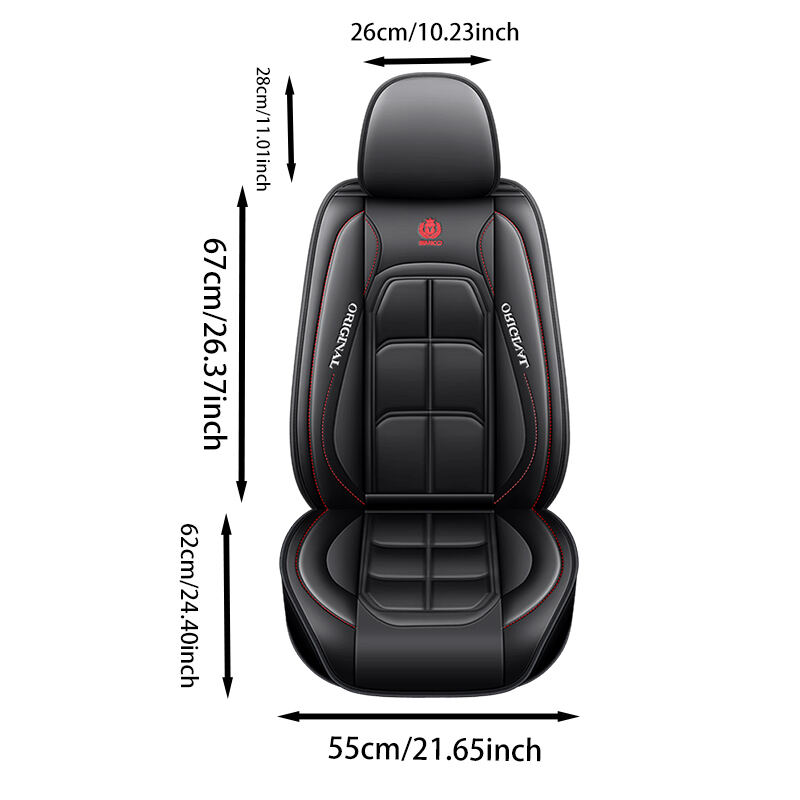
Selecting the right premium leather seat covers for automotive brands requires a strategic approach that balances quality, functionality, and brand representation. Automotive manufacturers and dealerships face increasing pressure to offer interior accessories that meet consumer expectations for luxury, durability, and comfort while maintaining cost-effectiveness and brand consistency.
The automotive aftermarket for premium leather seat covers has evolved significantly, with brands now requiring sophisticated selection criteria that address material specifications, installation requirements, customer satisfaction metrics, and long-term performance standards. Understanding these factors enables automotive brands to make informed decisions that enhance their product offerings and strengthen customer relationships.
Material Quality Assessment for Automotive Applications
Leather Grade Classifications and Standards
Premium leather seat covers utilize various leather grades that directly impact durability, appearance, and customer satisfaction. Top-grain leather represents the highest quality option for automotive brands, offering superior strength and natural grain patterns that resist wear while maintaining aesthetic appeal. This grade undergoes minimal processing, preserving the leather's inherent characteristics and ensuring consistent performance across different vehicle models.
Full-grain leather provides exceptional durability for premium leather seat covers, featuring the complete grain structure that develops attractive patina over time. Automotive brands selecting this grade benefit from reduced warranty claims and enhanced customer perception of quality. The natural oils and fibers in full-grain leather create breathability that prevents moisture buildup and maintains comfort during extended driving periods.
Split leather and corrected grain leather offer cost-effective alternatives for automotive brands targeting specific market segments. These grades provide adequate performance for premium leather seat covers while enabling competitive pricing strategies. However, brands must carefully evaluate the trade-offs between cost savings and long-term customer satisfaction when considering these options.
Chemical Treatment and Finishing Processes
The chemical treatment process significantly influences the performance characteristics of premium leather seat covers in automotive environments. Chrome tanning creates leather with excellent resistance to temperature variations, moisture, and UV exposure, making it ideal for automotive applications. This process produces consistent color retention and dimensional stability that automotive brands require for their quality standards.
Vegetable tanning offers environmental advantages for automotive brands prioritizing sustainability initiatives. This traditional process creates premium leather seat covers with unique aging characteristics and reduced environmental impact. However, automotive brands must consider the longer processing times and potential color variation when incorporating vegetable-tanned options into their product lines.
Protective coating applications enhance the durability and maintenance characteristics of premium leather seat covers. Polyurethane finishes provide water resistance and stain protection while maintaining the natural leather texture. Automotive brands benefit from reduced customer complaints and warranty issues when selecting covers with appropriate protective treatments for their specific market conditions.
Design Integration and Brand Compatibility
Vehicle-Specific Fit Requirements
Automotive brands must prioritize precise fit specifications when selecting premium leather seat covers to ensure proper installation and professional appearance. Custom-cut patterns that accommodate specific vehicle models prevent unsightly gaps, bunching, or inadequate coverage that can diminish brand perception. Detailed measurements for seat dimensions, headrest positions, and armrest configurations ensure seamless integration with existing interior designs.
Airbag compatibility represents a critical safety consideration for premium leather seat covers in automotive applications. Covers must feature properly positioned breakaway seams that allow airbag deployment without compromising passenger safety. Automotive brands should verify that their selected covers meet relevant safety standards and maintain proper airbag functionality across all applicable vehicle models.
Seat adjustment mechanism accommodation ensures that premium leather seat covers maintain functionality across all seat positions and adjustment ranges. Covers must allow unrestricted movement of power seat controls, manual adjustment levers, and reclining mechanisms. This compatibility prevents mechanical interference that could lead to customer dissatisfaction or potential safety issues.
Color Coordination and Brand Identity
Color selection for premium leather seat covers requires careful consideration of existing interior color schemes and brand identity guidelines. Automotive brands should establish color palettes that complement their vehicles' interior designs while offering sufficient variety to meet diverse customer preferences. Neutral tones such as black, tan, and gray provide versatile options that coordinate with most interior color schemes.
Custom color matching services enable automotive brands to create distinctive premium leather seat covers that align with specific brand requirements or limited edition models. This customization capability allows brands to differentiate their offerings and create exclusive interior packages that command premium pricing. However, brands must balance customization costs against projected sales volumes and customer demand.
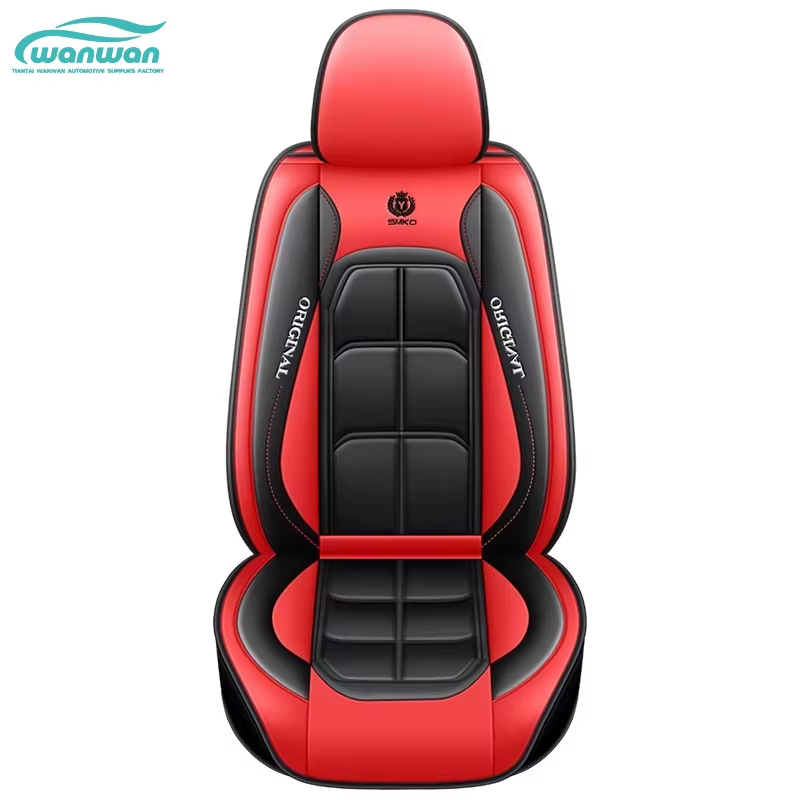
Stitching details and accent colors provide additional opportunities for brand differentiation in premium leather seat covers. Contrasting thread colors, decorative stitching patterns, and branded embossing create visual interest while reinforcing brand identity. These design elements help automotive brands create cohesive interior themes that enhance overall product appeal.
Performance Characteristics and Durability Factors
Wear Resistance and Longevity Testing
Automotive brands require premium leather seat covers that demonstrate proven durability under real-world usage conditions. Standardized testing protocols evaluate leather performance across multiple stress factors including abrasion resistance, flex fatigue, and tear strength. These tests provide objective data that enables brands to make informed decisions about material selection and quality expectations.
Climate resistance testing ensures that premium leather seat covers maintain their appearance and functionality across diverse environmental conditions. Temperature cycling tests evaluate leather performance under extreme heat and cold conditions, while humidity resistance testing assesses material stability in high-moisture environments. Automotive brands operating in multiple geographic markets particularly benefit from covers with proven climate resistance.
UV stability testing determines the color fastness and material integrity of premium leather seat covers under prolonged sun exposure. Automotive applications subject covers to significant UV radiation, making this characteristic crucial for customer satisfaction and warranty performance. Brands should prioritize covers with demonstrated UV resistance to minimize color fading and surface deterioration.
Maintenance Requirements and Customer Experience
Maintenance simplicity significantly impacts customer satisfaction with premium leather seat covers, making it an important selection criterion for automotive brands. Covers requiring specialized cleaning products or professional maintenance services may create customer dissatisfaction and increased service costs. Brands should evaluate the cleaning requirements and provide clear maintenance guidelines to ensure optimal performance and customer satisfaction.
Stain resistance characteristics directly influence the long-term appearance of premium leather seat covers in automotive applications. Advanced protective treatments create barriers against common automotive stains including food, beverages, and automotive fluids. This resistance reduces the likelihood of permanent staining that could lead to customer complaints or warranty claims.
Breathability and comfort factors affect customer acceptance of premium leather seat covers, particularly in warm climates or during extended driving periods. Perforated leather options and moisture-wicking treatments enhance comfort while maintaining the luxury appearance that customers expect. Automotive brands should consider these comfort factors when selecting covers for their specific market demographics.
Installation and Service Considerations
Installation Complexity and Training Requirements
The installation process for premium leather seat covers significantly impacts automotive brands' operational efficiency and customer service costs. Covers designed for straightforward installation reduce labor requirements and minimize the potential for installation errors that could affect customer satisfaction. Brands should evaluate installation complexity against their service capabilities and customer expectations for professional appearance.
Training requirements for installation technicians represent an important cost consideration for automotive brands offering premium leather seat covers. Complex installation procedures may require specialized training programs and certification processes that increase operational overhead. Brands should assess their service network's capabilities and training requirements when selecting cover systems.
Installation tool requirements and accessibility factors influence the practical implementation of premium leather seat covers across different service locations. Covers requiring specialized tools or extensive seat disassembly may create service bottlenecks or limit installation availability. Automotive brands should prioritize covers with reasonable tool requirements and installation accessibility.
Quality Control and Consistency Standards
Quality control protocols ensure consistent performance and appearance across all premium leather seat covers within a brand's product line. Standardized inspection procedures evaluate material quality, stitching integrity, and fit accuracy before installation. These protocols help automotive brands maintain their quality reputation and reduce customer complaints.
Batch consistency monitoring prevents quality variations that could affect customer perception of premium leather seat covers. Regular sampling and testing procedures identify potential material or manufacturing variations before they impact customer installations. This proactive approach helps automotive brands maintain consistent quality standards across their entire product range.
Supplier quality management systems provide automotive brands with confidence in their premium leather seat covers' long-term performance. Established suppliers with proven quality systems and industry certifications reduce the risk of quality issues and supply disruptions. Brands should evaluate supplier capabilities and quality management systems as part of their selection process.
Cost Analysis and Value Proposition
Total Cost of Ownership Evaluation
Automotive brands must evaluate the complete cost structure associated with premium leather seat covers beyond the initial purchase price. Installation labor costs, training expenses, and potential warranty obligations significantly impact the total investment required for successful program implementation. Comprehensive cost analysis enables brands to make informed decisions that align with their financial objectives and customer value propositions.
Long-term maintenance costs and replacement frequencies affect the overall economics of premium leather seat covers for automotive brands. High-quality covers with proven durability may justify higher initial costs through reduced replacement needs and lower customer service expenses. Brands should model these long-term costs when comparing different cover options and suppliers.
Volume pricing structures and supplier relationships influence the cost-effectiveness of premium leather seat covers for automotive brands. Established partnerships with reliable suppliers often provide cost advantages and priority service that benefit both operational efficiency and customer satisfaction. Brands should evaluate supplier capabilities and relationship potential when making selection decisions.
Market Positioning and Competitive Advantages
Premium leather seat covers create opportunities for automotive brands to differentiate their offerings and command higher prices in competitive markets. Quality covers enhance customer perception of value and luxury, supporting premium positioning strategies. Brands should evaluate how cover selection aligns with their overall market positioning and customer value propositions.
Customer satisfaction metrics and repeat business potential justify investments in high-quality premium leather seat covers for automotive brands. Satisfied customers generate positive reviews, referrals, and repeat business that provide long-term value beyond the initial transaction. Brands should consider these relationship benefits when evaluating cover options and pricing strategies.
Warranty and guarantee structures provide additional value propositions for premium leather seat covers while managing risk for automotive brands. Comprehensive warranties demonstrate confidence in product quality and provide customer assurance that supports purchase decisions. Brands should evaluate warranty terms and supplier support capabilities when selecting covers for their product lines.
FAQ
What are the most important quality indicators for premium leather seat covers?
The most critical quality indicators include leather grade (full-grain or top-grain preferred), proper chemical treatment for automotive use, precise fit specifications for your vehicle models, airbag compatibility certification, and proven durability through standardized testing. Additional factors include UV resistance, stain protection, and breathability for customer comfort.
How do premium leather seat covers affect vehicle resale value?
High-quality premium leather seat covers typically enhance vehicle resale value by protecting original upholstery and creating a luxury appearance. However, the impact depends on proper installation, material quality, and maintenance. Custom-fit covers from reputable suppliers generally provide better resale value protection than universal-fit alternatives.
What installation requirements should automotive brands consider?
Installation requirements include technician training needs, required tools and workspace, time allocation per installation, and quality control procedures. Brands should evaluate their service network's capabilities and consider covers designed for efficient installation without compromising fit quality or safety features like airbag compatibility.
How do premium leather seat covers compare to OEM upholstery options?
Premium aftermarket leather seat covers can match or exceed OEM quality when properly selected, offering advantages like enhanced durability, stain resistance, and customization options. The key differences lie in material selection, installation methods, and cost-effectiveness. Quality aftermarket covers provide luxury appearance and protection at typically lower costs than OEM leather upgrades.