 EN
EN

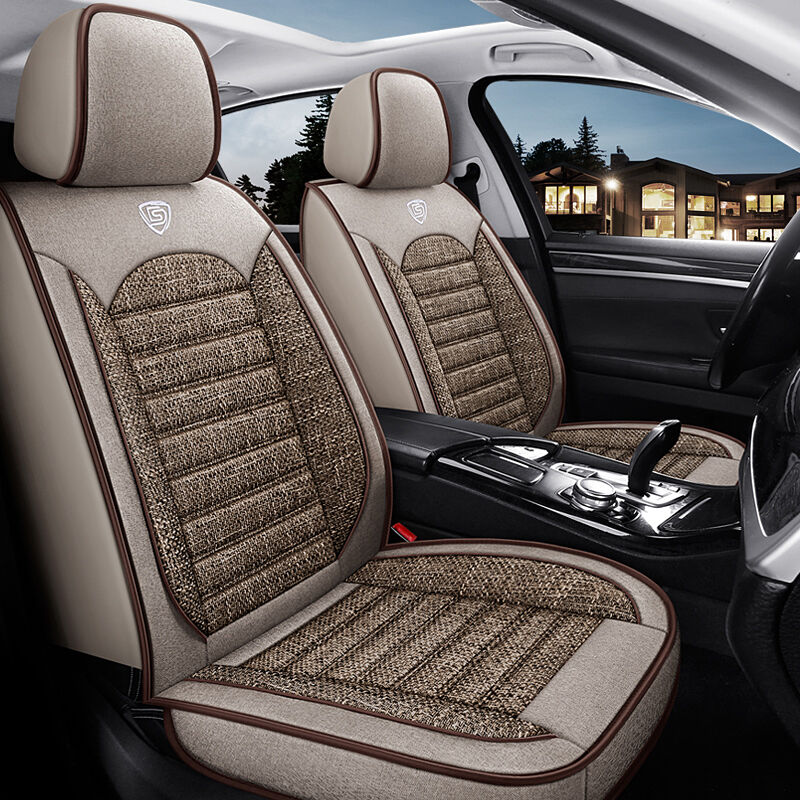
When manufacturers and automotive businesses evaluate materials for interior accessories, the choice of fabric stands at the center of every quality decision. An OEM car seat cover is not simply a decorative layer placed over a vehicle seat — it is a precisely engineered product that must meet durability benchmarks, aesthetic standards, tactile expectations, and long-term performance requirements. Understanding which fabrics are best suited to OEM car seat cover production requires a close look at material properties, manufacturing compatibility, and end-user demands.
The OEM car seat cover manufacturing industry has evolved considerably over the past decade. As vehicle owners become more discerning about cabin comfort and aesthetics, OEM suppliers face growing pressure to deliver seat covers that look premium, resist wear, and retain their appearance across thousands of hours of use. Selecting the right fabric is the foundational decision that determines whether an OEM car seat cover meets these expectations or falls short in the field.
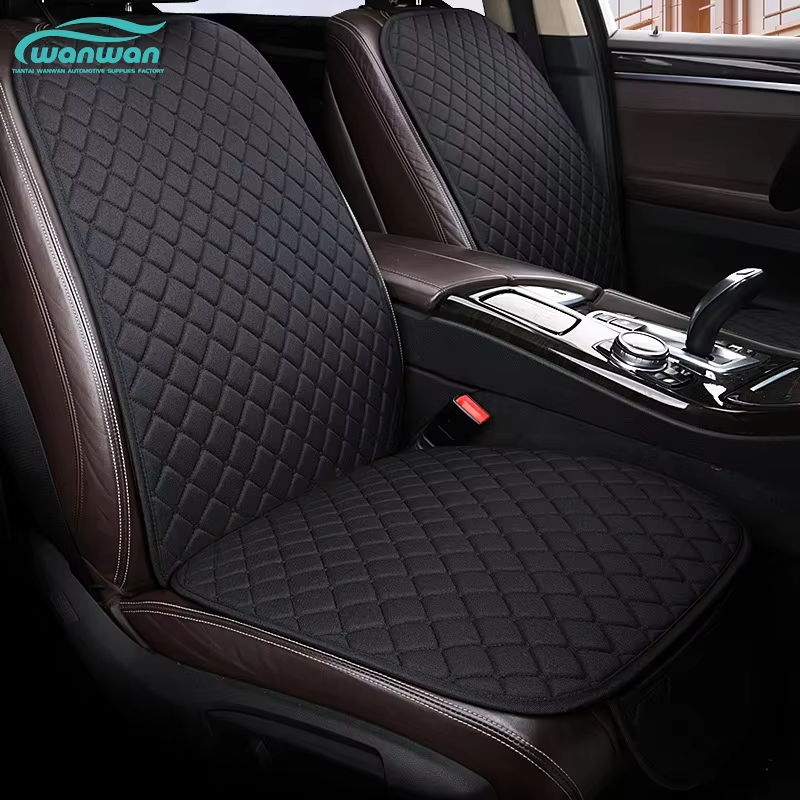
Why Fabric Selection Defines OEM Car Seat Cover Quality
The Direct Link Between Material and Performance
Every OEM car seat cover begins its life as a raw material choice. The fabric selected will determine how the cover performs under UV exposure, friction, moisture, and temperature swings. In automotive environments, seat covers endure daily abrasion from clothing, bags, and body movement. A fabric that cannot withstand these stresses will deteriorate quickly, leading to visible wear, color fading, and structural breakdown.
For OEM production, the fabric must also be compatible with large-scale cutting, stitching, and quality control operations. Not every material that feels comfortable in isolation can survive the precision demands of automated OEM manufacturing lines. The best fabrics for OEM car seat cover production are those that balance tactile quality with industrial processability.
Manufacturers that invest in high-grade fabrics from the outset reduce their rejection rates, minimize post-production corrections, and deliver a finished OEM car seat cover that commands stronger market positioning. The material decision, therefore, is as much a business strategy as it is a technical specification.
Consumer Expectations Driving Fabric Standards
End consumers purchasing vehicles with OEM seat covers expect the same level of refinement found in other parts of the cabin. They notice whether a seat cover feels soft or stiff, whether it breathes during warm weather, and whether it maintains its appearance after months of regular use. These expectations directly shape which fabrics OEM manufacturers choose to work with.
In regions with extreme climates, breathability and thermal comfort become non-negotiable. In premium vehicle segments, the visual texture and sheen of the fabric carry as much weight as physical durability. OEM car seat cover manufacturers must account for all these variables when selecting their primary fabric inputs, ensuring the final product fulfills both the functional and emotional dimensions of quality.
Full Leather and Synthetic Leather in OEM Car Seat Cover Production
Genuine Leather as a Premium OEM Fabric
Genuine leather remains one of the most respected fabrics in OEM car seat cover manufacturing. It delivers a combination of visual richness, tactile softness, and long-term durability that few other materials can replicate. When properly treated and stitched, a genuine leather OEM car seat cover retains its appearance over years of use and develops a refined patina that many vehicle owners find desirable.
From a manufacturing perspective, full leather requires skilled pattern cutting, precise stitching tolerances, and careful quality inspection at every stage. The material does not forgive errors easily — a poorly executed stitch or misaligned panel is immediately visible. This makes leather-based OEM car seat cover production more labor-intensive, but the resulting product justifies the investment in the upper segments of the market.
Leather also responds well to surface treatments that enhance its resistance to moisture, stains, and UV degradation. OEM manufacturers working with full leather typically apply protective coatings as part of the finishing process, ensuring the cover meets automotive-grade durability standards in addition to its visual appeal.
PU and PVC Synthetic Leather for Scalable OEM Manufacturing
Polyurethane (PU) leather and polyvinyl chloride (PVC) leather are widely used in OEM car seat cover manufacturing because they offer a compelling balance of appearance, durability, and cost efficiency. These materials are engineered to mimic the surface texture of genuine leather while providing superior resistance to moisture and easier maintenance for vehicle owners.
PU leather, in particular, has become the fabric of choice for mid-range OEM car seat cover applications. It is lighter than genuine leather, more pliable, and available in a broader range of surface finishes and color options. Its consistency across production batches makes it highly compatible with automated manufacturing processes, reducing variability and ensuring a uniform result across large order volumes.
PVC leather offers a harder surface with stronger resistance to abrasion and chemical exposure, making it suitable for commercial vehicles or fleet applications where durability under heavy use takes priority. When evaluating synthetic leather for OEM car seat cover production, manufacturers must consider not only the immediate material performance but also the long-term behavior under thermal cycling, which can cause inferior grades to crack or delaminate over time.
Woven and Knitted Fabrics in OEM Car Seat Cover Applications
Polyester and Nylon Woven Fabrics
Woven polyester and nylon fabrics represent some of the most widely used materials in OEM car seat cover manufacturing across volume automotive markets. These fabrics offer reliable tensile strength, excellent color retention, and high resistance to abrasion — all critical properties for seat covers that will endure daily use over several years.
Polyester is particularly valued in OEM car seat cover production for its ability to hold vibrant colors after dyeing, its resistance to shrinkage, and its compatibility with a range of finishing treatments including stain-repellent coatings. High-density polyester weaves can achieve a premium visual weight that makes the seat cover appear more substantial and refined, even in mid-market vehicle segments.
Nylon-based woven fabrics bring additional toughness to the equation, offering stronger resistance to tearing and puncture compared to standard polyester. In vehicles where seat covers experience heavier mechanical stress — such as those used for work or outdoor activities — nylon-blend OEM car seat cover fabrics can significantly extend the product's service life.
Knitted Fabrics for Stretch Fit and Comfort
Knitted fabrics, particularly those made from polyester or elastane blends, play an increasingly important role in OEM car seat cover manufacturing. Unlike woven fabrics, knitted constructions offer inherent stretch, which allows the cover to conform closely to the three-dimensional contours of modern car seats. This property is especially valuable for full-wrap OEM car seat cover designs that must maintain a smooth, wrinkle-free fit without additional elastic tensioning systems.
The breathability of knitted fabrics also improves cabin comfort, as the open structure allows air circulation between the seat and the occupant. This is a particularly relevant advantage in warmer climates or for vehicles without ventilated seats. OEM manufacturers who incorporate knitted components into their car seat cover designs can offer a more comfortable and ergonomically responsive product.
Knitted fabrics do require careful handling in production to prevent distortion during cutting and stitching. Manufacturers with specialized equipment and trained operators can maximize the advantages of these materials while maintaining the dimensional accuracy required for a proper-fitting OEM car seat cover.
Suede, Alcantara-Type Fabrics, and Specialty Materials
Microfiber Suede in High-End OEM Seat Cover Manufacturing
Microfiber suede has established itself as a premium fabric option in OEM car seat cover production, particularly for luxury and performance vehicle segments. This material replicates the soft, velvety texture of natural suede while offering superior resistance to moisture, staining, and fading. The fine fiber structure creates a surface that feels exceptionally tactile while maintaining a clean, refined appearance.
From a production standpoint, microfiber suede requires precise cutting to respect the direction of the nap, ensuring that all panels of the OEM car seat cover reflect light consistently. This attention to detail adds complexity to the manufacturing process but results in a product that reads unmistakably as premium to the consumer.
Microfiber suede also demonstrates strong resistance to pilling, a common failure mode in lower-grade seat cover fabrics. Its dimensional stability under heat and UV exposure makes it a reliable long-term material choice for OEM applications where the vehicle's interior aesthetic must remain consistent across the product lifecycle.
Specialty and Composite Fabrics for Functional OEM Applications
Beyond the core fabric categories, OEM car seat cover manufacturers increasingly work with composite and specialty materials designed to address specific functional requirements. These include fabrics with integrated foam backing for cushioning, fabrics with phase-change materials for thermal regulation, and antimicrobial treatments applied to base textiles for hygiene-sensitive applications.
Composite constructions typically bond a face fabric — such as PU leather or woven polyester — to a foam or non-woven substrate that adds body, thickness, and tactile softness. This approach allows the OEM car seat cover to deliver a fuller, more premium feel without relying exclusively on a single thick material, which would add unnecessary weight and reduce flexibility during installation.
Specialty finishes such as water-repellent treatments, UV-stabilizing coatings, and anti-static applications represent the final layer of material engineering that separates a standard OEM car seat cover from a high-specification product designed for demanding environments. These treatments are applied either to the raw fabric before production or as a post-manufacture finishing step, depending on the material and the target performance profile.
Evaluating Fabric Choices for Long-Term OEM Car Seat Cover Success
Key Technical Criteria in Fabric Selection
When selecting fabrics for OEM car seat cover manufacturing, procurement teams and product engineers evaluate materials against a set of standardized automotive performance criteria. These typically include abrasion resistance measured by Martindale or Taber testing, tensile and tear strength, colorfastness under UV and xenon arc exposure, and seam strength under mechanical stress.
Flammability compliance is a non-negotiable requirement across most automotive markets. All fabric inputs for OEM car seat cover production must meet the relevant FMVSS 302 or equivalent regional standards, ensuring that the finished product does not propagate flames in the event of a vehicle fire. Manufacturers must verify fabric compliance at the raw material stage and retain documentation as part of their quality management system.
Temperature resistance is another critical criterion, particularly for markets with extreme seasonal variation. Fabrics that soften, warp, or emit odors at elevated temperatures are unsuitable for OEM car seat cover applications regardless of their other performance characteristics. Rigorous thermal cycling tests help identify these vulnerabilities before materials enter production.
Aligning Fabric Selection With Market Positioning
The most technically capable fabric is not always the right choice for every OEM car seat cover application. Manufacturers must align their material selection with the target market segment, the retail price point of the finished cover, and the expectations of the vehicle brand or retailer they are supplying. A full leather cover appropriate for a luxury sedan would be commercially inappropriate — and economically unviable — for a budget utility vehicle application.
This alignment process requires close collaboration between the product development team, the sourcing department, and the commercial team responsible for pricing. Each OEM car seat cover project must define its fabric tier early in the development cycle to ensure that material costs, production complexity, and market pricing are all consistent with the product's intended positioning.
Manufacturers that develop a tiered fabric portfolio — covering economy, mid-range, and premium material options — gain the flexibility to address multiple market segments without requiring entirely separate production capabilities for each. This approach enables efficient resource allocation and faster response to new customer requirements without compromising the integrity of any individual OEM car seat cover product.
FAQ
What is the most durable fabric for an OEM car seat cover?
High-density woven polyester and PU synthetic leather are among the most durable fabric choices for OEM car seat cover manufacturing. Both materials offer strong resistance to abrasion, UV exposure, and daily mechanical stress, making them reliable options for high-volume automotive applications where longevity is a primary requirement.
Is genuine leather always better than synthetic leather in an OEM car seat cover?
Not necessarily. While genuine leather offers a premium tactile and visual experience, high-quality PU leather can match or exceed its performance in moisture resistance and dimensional consistency. For many OEM car seat cover applications, particularly in mid-market segments, advanced synthetic leather delivers excellent results at a more commercially viable cost.
How does fabric breathability affect OEM car seat cover performance?
Breathability directly impacts occupant comfort, particularly during warmer weather or in vehicles without climate-controlled seating. Knitted and open-weave fabrics allow air circulation between the seat and the occupant, reducing heat buildup and improving the overall driving experience. OEM car seat cover manufacturers increasingly prioritize breathability as a functional specification alongside durability and aesthetics.
What certifications should OEM car seat cover fabrics meet?
Fabrics used in OEM car seat cover production should comply with automotive flammability standards such as FMVSS 302, as well as applicable standards for tensile strength, colorfastness, and chemical safety such as REACH regulations. Manufacturers supplying to international markets should verify that their fabric inputs meet the relevant standards for each target region to ensure compliance and avoid market access issues.
Table of Contents
- Why Fabric Selection Defines OEM Car Seat Cover Quality
- Full Leather and Synthetic Leather in OEM Car Seat Cover Production
- Woven and Knitted Fabrics in OEM Car Seat Cover Applications
- Suede, Alcantara-Type Fabrics, and Specialty Materials
- Evaluating Fabric Choices for Long-Term OEM Car Seat Cover Success
- FAQ