 EN
EN

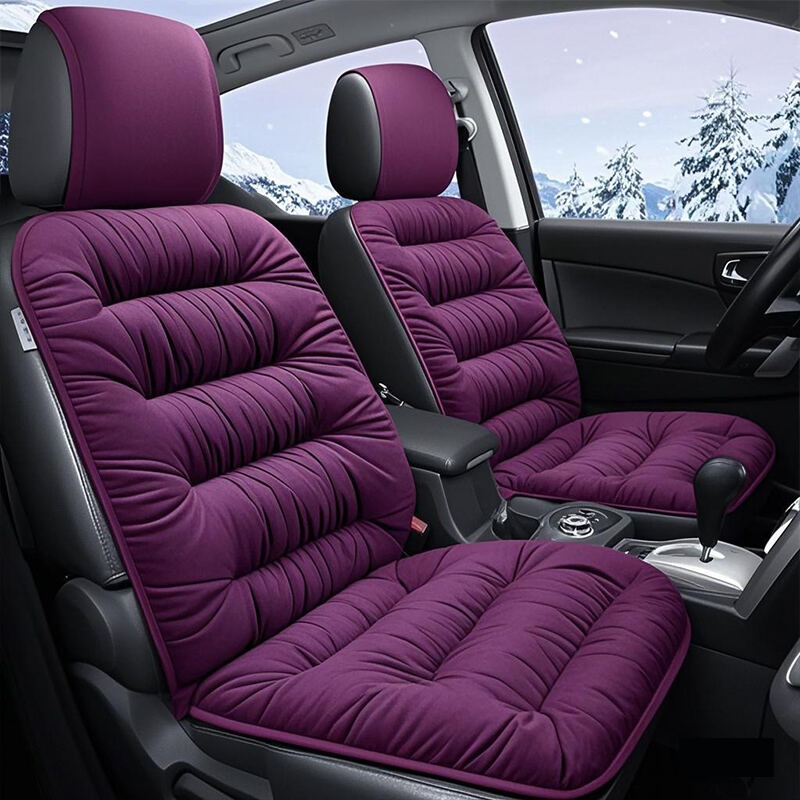
For OEM manufacturers competing in the automotive accessories market, the universal car seat cover represents both a high-volume opportunity and a persistent engineering challenge. Buyers across retail and B2B channels expect a single product to fit dozens of vehicle models, withstand daily wear, and still look refined inside a modern cabin. Meeting all three demands simultaneously requires more than sourcing decent fabric — it demands a structured approach to design, materials science, and manufacturing precision.
This article explores the specific design levers that OEM manufacturers can pull to elevate their universal car seat cover lineup — from smarter pattern engineering and material selection to ergonomic fit systems and quality assurance protocols. Whether you are scaling production for a global retail partner or developing a private-label program, the improvements outlined here translate directly into fewer returns, stronger reviews, and more repeat orders.
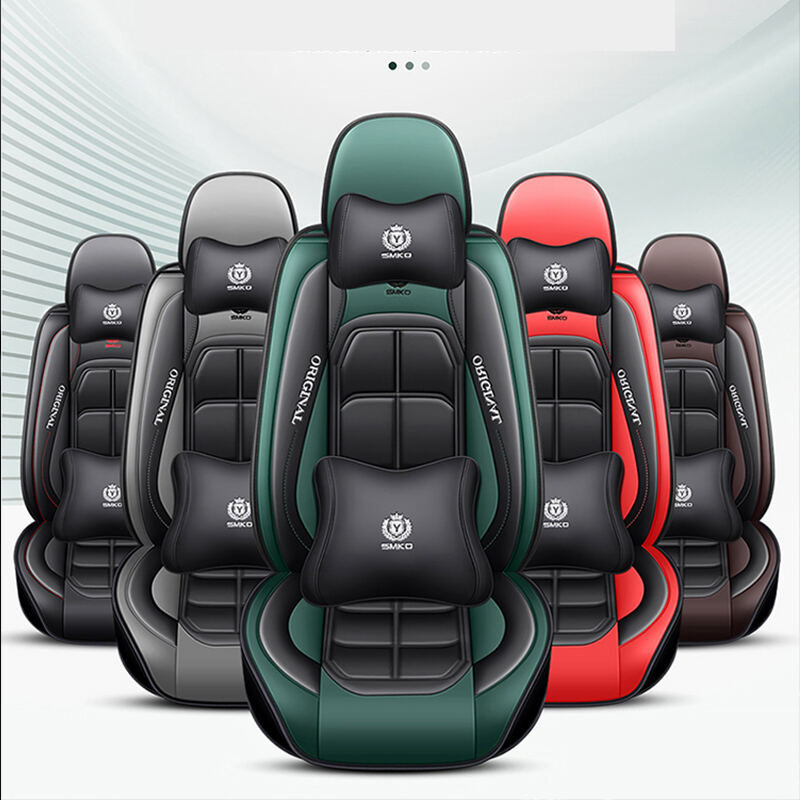
Understanding the Core Design Challenges of a Universal Car Seat Cover
The Fit Paradox in Universal Design
The most fundamental tension in universal car seat cover design is the word 'universal' itself. No two seat geometries are identical — bucket seats in a compact sedan differ substantially from the high-bolstered sports seats of a crossover or the broad bench configurations found in light trucks. A universal car seat cover must accommodate this range without sagging, bunching, or creating pressure points that interfere with driver comfort or safety.
OEM manufacturers often underestimate the importance of pattern grading at this stage. A single flat pattern scaled up or down rarely solves the problem. Instead, leading manufacturers invest in multi-point stretch mapping — identifying where a seat cover experiences the highest tension during entry, exit, and sustained sitting — and engineer the pattern accordingly. This data-driven approach transforms a generic product into one that genuinely behaves as universal rather than merely claiming to be.
Addressing the fit paradox early in the design cycle reduces downstream costs significantly. Fewer customer complaints, lower return rates, and reduced warranty claims all trace back to a universal car seat cover that actually conforms to a wide seat range without compromise.
Balancing Aesthetics with Functional Engineering
A universal car seat cover that fits perfectly but looks out of place inside a premium cabin will not win repeat customers. OEM manufacturers must balance the visual expectations of modern interiors — clean lines, coordinated color palettes, and tactile quality — with the functional demands of durable daily use. This means surface texture choices, stitching patterns, and color fastness all need to be treated as engineering variables, not afterthoughts.
Embossed fabric surfaces, for example, can add perceived premium value while simultaneously masking minor surface wear over time. Contrast stitching elevates appearance but must be stress-tested to ensure thread integrity under repeated stretching. Every aesthetic decision in a universal car seat cover has a functional consequence, and OEM design teams benefit from treating both dimensions with equal rigor.
Material Selection Strategies That Improve Performance and Longevity
Fabric Composition and Its Impact on Durability
Material choice is arguably the single most impactful decision in universal car seat cover development. The fabric must resist abrasion from daily ingress and egress, maintain color stability under UV exposure, and retain its structural integrity through temperature extremes — from winter cold to summer heat inside a parked vehicle. OEM manufacturers who rely on generic polyester blends often find that these requirements conflict with each other at lower price points.
Higher-performing options include jacquard weave polyester, which offers dimensional stability and a refined surface appearance, and composite fabrics that layer a wear-resistant face material over a memory foam or non-woven backing. The backing layer is often overlooked, but it plays a critical role in preventing the universal car seat cover from migrating during use — a common complaint that drives negative reviews even when the top fabric performs well.
For all-season positioning, OEM manufacturers should evaluate breathability ratings alongside thermal insulation properties. A universal car seat cover that traps heat in summer or feels cold and stiff in winter creates a poor sensory experience regardless of its durability credentials. Mesh panel inserts or moisture-wicking face fabrics can address this without significantly increasing production cost.
Padding and Cushion Integration for Enhanced Comfort
Beyond fabric, the internal structure of a universal car seat cover determines how it translates to the end user's comfort. Thin, unpadded covers offer minimal value-add over a bare seat, while overly thick padding can interfere with seat belt function or airbag deployment pathways. OEM manufacturers must engineer padding thickness and density within precise parameters that meet both comfort expectations and safety compliance requirements.
Zoned padding — applying different foam densities to the lumbar region, seat base, and bolsters — allows a universal car seat cover to deliver targeted support without uniform bulk. This approach mirrors principles used in premium seat design and can be achieved at accessible price points when the foam cutting and bonding processes are optimized for volume production.
It is also worth noting that padding materials affect how a universal car seat cover interacts with heated seat systems, which are increasingly standard across vehicle segments. OEM manufacturers should test their products with common heating element configurations to confirm that heat transfer is not significantly impaired — a performance claim that can differentiate a product line in competitive retail categories.
Engineering the Fit System for Broad Vehicle Compatibility
Elastic, Hook, and Strap Fastening Architectures
The fastening system is where most universal car seat cover products either succeed or fail in the field. Elastic hems are the most common approach, but elastic quality, width, and placement geometry vary enormously between manufacturers. Narrow elastic applied only at the lower perimeter may hold adequately on a shallow seat but will gap on a deep-bolstered design. Wider, multi-directional elastic panels distribute tension more evenly and produce a cleaner installed appearance across a broader seat range.
Hook-and-loop systems paired with under-seat straps add a second retention mechanism that prevents forward migration during aggressive braking or sharp cornering. OEM manufacturers offering a universal car seat cover for performance-oriented or family vehicle segments should treat dual retention as a baseline requirement rather than a premium feature. The incremental material cost is minimal relative to the improvement in customer satisfaction scores.
Some manufacturers have introduced adjustable side-tension straps that allow the installer to customize lateral tightness depending on seat bolster depth. This approach effectively extends the universal car seat cover's compatibility range without requiring additional SKUs, which simplifies inventory management for retail partners and fleet buyers alike.
Headrest and Backrest Integration Design
A full-coverage universal car seat cover that includes a headrest section and full backrest surround presents additional engineering requirements. The headrest cutout geometry must accommodate the post spacing used across a wide range of vehicle models, and the backrest panel must maintain smooth contact with the seat surface without creating folds that dig into the occupant's back during longer journeys.
OEM manufacturers should develop headrest cover systems that attach and detach independently from the main seat back panel. This modular approach simplifies installation, reduces the risk of misalignment, and allows the headrest component to be replaced separately if wear is uneven — a practical detail that retail buyers notice and value.
The backrest surround design also intersects with side airbag deployment considerations. OEM manufacturers are responsible for ensuring that their universal car seat cover does not obstruct side-curtain or seat-mounted airbag systems. This requires defined seam break points or designed-in deployment zones that comply with relevant automotive safety standards in target markets.
Production Quality Controls That Differentiate OEM Output
Stitching Standards and Seam Integrity Testing
In high-volume production of a universal car seat cover, stitching consistency is a direct proxy for product quality. Irregular stitch density, skipped stitches, or misaligned seams all produce visible defects that erode buyer confidence — particularly in retail channels where packaging photography sets a high visual expectation. OEM manufacturers should establish stitch-per-inch standards for each seam type and enforce them through inline inspection rather than end-of-line sampling alone.
Seam strength testing under cyclic load conditions simulates the stress patterns a universal car seat cover experiences during repeated installation and removal, as well as daily use by occupants of varying weights. Establishing minimum peel and shear strength thresholds — and documenting them in product datasheets — gives B2B buyers the technical confidence to approve a product for private-label programs or fleet procurement.
Colorfastness, Shrinkage, and Environmental Testing
Retail returns for a universal car seat cover frequently cite color fading, dye transfer onto vehicle seat surfaces, or dimensional changes after washing. OEM manufacturers can address all three through structured pre-production testing against recognized textile standards. Colorfastness to light and rubbing, in particular, should be tested at intensity levels that reflect actual in-vehicle UV exposure rather than standard laboratory conditions.
Shrinkage testing after repeated wash cycles ensures that elastic tension and panel geometry remain within specification over the product's intended service life. OEM manufacturers who can provide wash-cycle durability data — showing that a universal car seat cover maintains its fit and appearance after 30 or 50 wash cycles — hold a meaningful competitive advantage when presenting to quality-conscious buyers.
Environmental chamber testing, exposing finished products to elevated temperature and humidity cycles, reveals potential issues with adhesive bonding between fabric layers, foam delamination, and plastic component warping before these problems reach the field. Building this testing into the standard product validation protocol protects both the OEM manufacturer's reputation and the buyer's brand.
FAQ
What makes a universal car seat cover genuinely compatible with multiple vehicle models?
True compatibility depends on multi-directional elastic panels, adjustable retention straps, and pattern engineering that accounts for varied seat geometries. A universal car seat cover that only uses perimeter elastic will fit a narrow range of seats adequately. Products designed with stretch-mapped panels and dual fastening systems deliver consistent fit across a significantly broader vehicle range.
How should OEM manufacturers approach airbag safety compliance for seat covers?
OEM manufacturers should identify the airbag deployment pathway for the seat types their universal car seat cover targets — particularly side-mounted airbags — and engineer defined seam break points or deployment zones into the cover design. Compliance should be validated through physical testing and documented to support buyer due diligence in markets with strict automotive safety regulations.
What fabric properties should buyers prioritize when sourcing a universal car seat cover for all-season use?
For all-season performance, buyers should prioritize fabrics that balance breathability with thermal comfort, maintain colorfastness under UV exposure, and resist abrasion from daily use. A composite construction — breathable face fabric over a memory foam or non-woven backing — typically delivers the best combination of comfort, durability, and fit stability across seasonal temperature ranges.
How can OEM manufacturers reduce return rates for universal car seat cover products in retail channels?
The most effective return-reduction strategies combine improved fit engineering, clearer installation instructions, and robust pre-shipment quality controls. A universal car seat cover with a well-designed fastening system and accurate vehicle compatibility guidance will generate fewer fit-related returns. Pairing this with documented quality testing data gives retail buyers confidence to reduce their own safety stock and return allowance requirements.
Table of Contents
- Understanding the Core Design Challenges of a Universal Car Seat Cover
- Material Selection Strategies That Improve Performance and Longevity
- Engineering the Fit System for Broad Vehicle Compatibility
- Production Quality Controls That Differentiate OEM Output
-
FAQ
- What makes a universal car seat cover genuinely compatible with multiple vehicle models?
- How should OEM manufacturers approach airbag safety compliance for seat covers?
- What fabric properties should buyers prioritize when sourcing a universal car seat cover for all-season use?
- How can OEM manufacturers reduce return rates for universal car seat cover products in retail channels?