 EN
EN

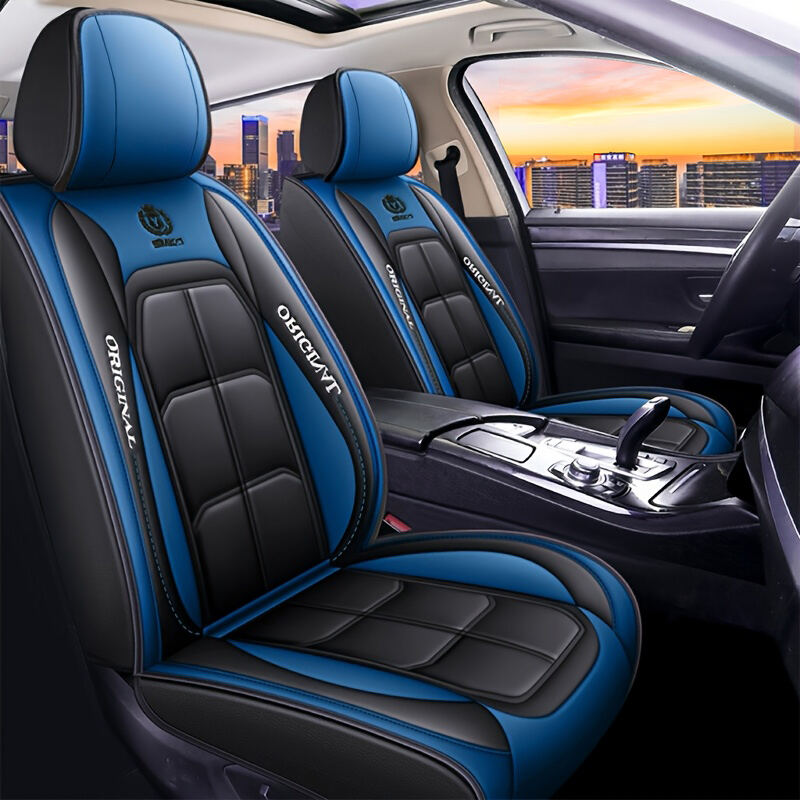
The automotive accessories market presents numerous opportunities for B2B sellers, but few products combine consistent demand, healthy margins, and cross-seasonal appeal like car leather seat covers. Understanding why these products generate substantial profits requires examining market dynamics, consumer behavior, and the unique positioning advantages they offer to business sellers in the automotive sector.
B2B sellers who focus on car leather seat covers benefit from a product category that addresses both practical needs and aesthetic desires of vehicle owners. The profitability stems from multiple factors including premium pricing potential, repeat purchase patterns, and the ability to serve diverse customer segments from individual consumers to fleet operators and automotive service businesses.
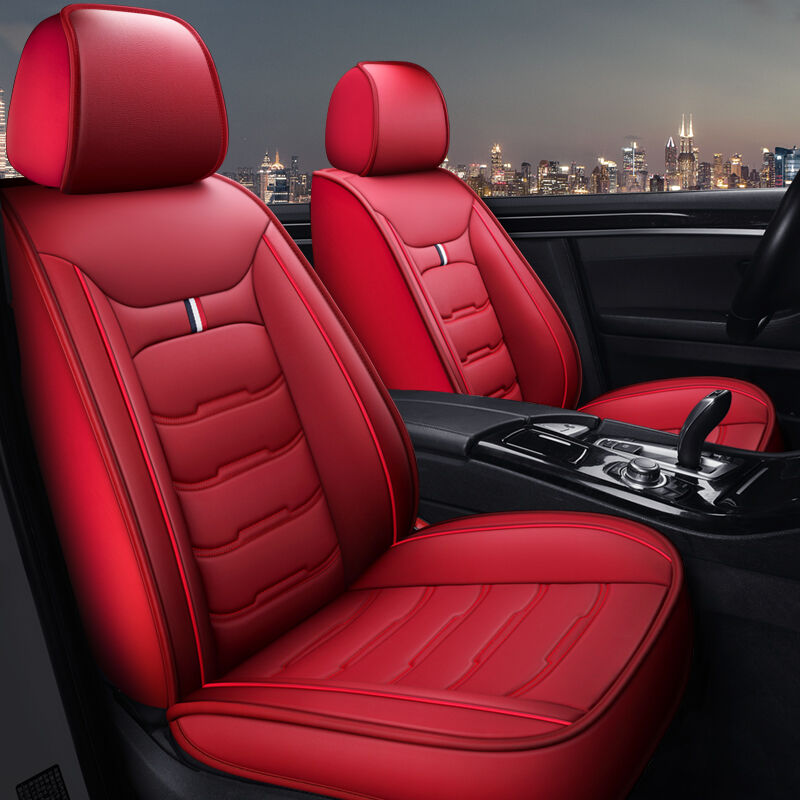
Market Demand Fundamentals Drive Revenue Potential
Universal Vehicle Compatibility Creates Broad Market Appeal
Car leather seat covers achieve profitability partly because they address a universal need across virtually all vehicle types and ages. Unlike vehicle-specific parts that limit market reach, quality seat covers can be designed with adjustable features that fit multiple car models, expanding the potential customer base significantly. This universal compatibility means B2B sellers can stock fewer SKUs while serving more customers, improving inventory turnover and reducing storage costs.
The broad compatibility also enables sellers to target multiple market segments simultaneously. Fleet operators seek durable protection for commercial vehicles, while individual car owners want style enhancement and comfort improvement. This diversity in customer needs allows sellers to position car leather seat covers at different price points and quality levels, maximizing revenue opportunities across various buyer personas.
Protection and Enhancement Drive Purchase Motivation
Vehicle owners invest in car leather seat covers for dual purposes: protecting original upholstery from wear and damage while enhancing the interior aesthetic appeal. This dual value proposition creates strong purchase justification, allowing sellers to command premium prices compared to basic fabric alternatives. The protection aspect particularly resonates with customers who view seat covers as insurance for their vehicle's resale value.
The enhancement motivation opens opportunities for upselling and cross-selling related accessories. Customers purchasing premium leather seat covers often show interest in complementary products like steering wheel covers, floor mats, and interior trim accessories, increasing average order values and overall profitability for B2B sellers who offer comprehensive interior upgrade solutions.
Premium Material Positioning Supports Higher Margins
Leather Material Commands Price Premium
The leather component of car leather seat covers justifies significantly higher selling prices compared to synthetic alternatives, creating favorable margin structures for B2B sellers. Customers associate leather with quality, durability, and luxury, making them willing to pay premium prices for genuine or high-quality synthetic leather options. This price tolerance allows sellers to maintain healthy gross margins even when sourcing quality materials.
Premium positioning also reduces direct price competition with low-end alternatives, as customers shopping for leather specifically seek quality over cost savings. B2B sellers can focus marketing efforts on quality attributes, craftsmanship, and long-term value rather than engaging in margin-eroding price wars common in commodity product categories.
Durability Attributes Reduce Return Rates
Quality car leather seat covers demonstrate exceptional durability compared to fabric alternatives, resulting in lower return rates and customer service costs for B2B sellers. The material's resistance to staining, tearing, and general wear means customers experience satisfaction with their purchase over extended periods, leading to positive reviews and repeat business referrals.
Lower return rates directly impact profitability by reducing reverse logistics costs, restocking fees, and customer service expenses. Additionally, satisfied customers become brand advocates, generating organic marketing value through word-of-mouth recommendations and positive online reviews that attract new buyers without additional advertising investment.
Business Model Advantages Enhance Profit Sustainability
Seasonal Independence Ensures Consistent Sales
Unlike many automotive accessories that experience seasonal fluctuations, car leather seat covers maintain steady demand throughout the year. Interior comfort and protection needs remain constant regardless of weather conditions, providing B2B sellers with predictable revenue streams that support stable business operations and cash flow management.
This seasonal independence allows sellers to maintain consistent inventory levels and staff planning without the boom-and-bust cycles that affect seasonal products. The steady demand also enables better supplier relationships through consistent ordering patterns, often resulting in volume discounts that further improve margins on car leather seat covers.
Multiple Sales Channel Opportunities
Car leather seat covers support diverse distribution strategies, from online marketplaces to automotive retail partnerships and direct-to-consumer channels. This multi-channel flexibility allows B2B sellers to diversify revenue sources and reduce dependence on any single sales platform or customer relationship, improving business resilience and growth potential.
Each channel serves different customer segments with varying margin structures. Online platforms may offer volume but lower margins, while specialty automotive retailers provide higher per-unit profits. Direct-to-consumer sales through company websites can achieve the highest margins while building direct customer relationships for future marketing efforts.
Competitive Positioning Creates Market Advantages
Quality Differentiation Reduces Commoditization
The car leather seat covers market allows for significant quality differentiation through material selection, stitching techniques, design features, and installation ease. B2B sellers who focus on superior quality can establish premium positioning that protects them from low-price competition while building customer loyalty and brand recognition in the automotive accessories space.
Quality differentiation also enables value-based selling approaches where sales conversations focus on long-term benefits and cost-per-use calculations rather than upfront price comparisons. This positioning strategy typically results in higher customer lifetime values and more sustainable profit margins over time.
Brand Building Opportunities Through Product Excellence
Success with car leather seat covers can serve as a foundation for broader automotive accessory business development. Customers who experience quality and service excellence with seat covers become receptive to additional product offerings, creating opportunities for business expansion and increased market share within existing customer relationships.
Strong performance in the seat cover category also builds credibility with retail partners and distributors, opening doors to shelf space and promotional opportunities for additional product lines. This brand building effect multiplies the initial investment in the car leather seat covers business into broader market opportunities.
FAQ
What profit margins can B2B sellers expect from car leather seat covers?
Profit margins on car leather seat covers typically range from 40% to 70% depending on sourcing strategies, quality positioning, and sales channels. Premium leather options with superior craftsmanship can achieve higher margins due to reduced price sensitivity among quality-focused customers.
How do seasonal factors affect car leather seat covers sales?
Car leather seat covers maintain relatively stable demand year-round since interior protection and comfort needs remain constant regardless of season. This stability provides B2B sellers with predictable revenue streams and simplified inventory management compared to weather-dependent automotive products.
What customer segments offer the best profitability for car leather seat covers?
Fleet operators and commercial vehicle owners often provide the highest volume opportunities, while individual consumers seeking premium upgrades typically offer better per-unit margins. Automotive service businesses represent a valuable middle segment with both volume potential and service markup opportunities.
How can B2B sellers differentiate their car leather seat covers from competitors?
Successful differentiation strategies include focusing on superior material quality, innovative design features like improved breathability or custom fitting systems, comprehensive installation support, and extended warranty offerings that demonstrate confidence in product durability and customer satisfaction.