 EN
EN

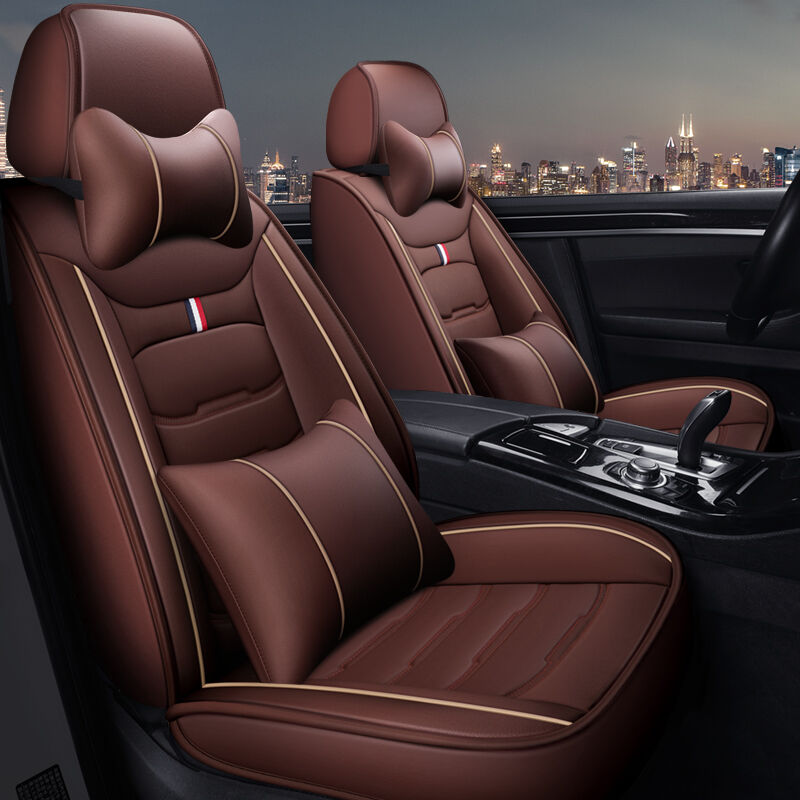
Sourcing car chair covers directly from manufacturers has become an increasingly strategic approach for automotive retailers, e-commerce businesses, and distributors seeking competitive advantages in today's market. By establishing direct relationships with reliable factories, businesses can access premium quality products, negotiate better pricing structures, and maintain greater control over their supply chain operations. The global automotive accessories market continues to expand, with car chair covers representing a significant segment driven by consumer demand for vehicle customization and interior protection.
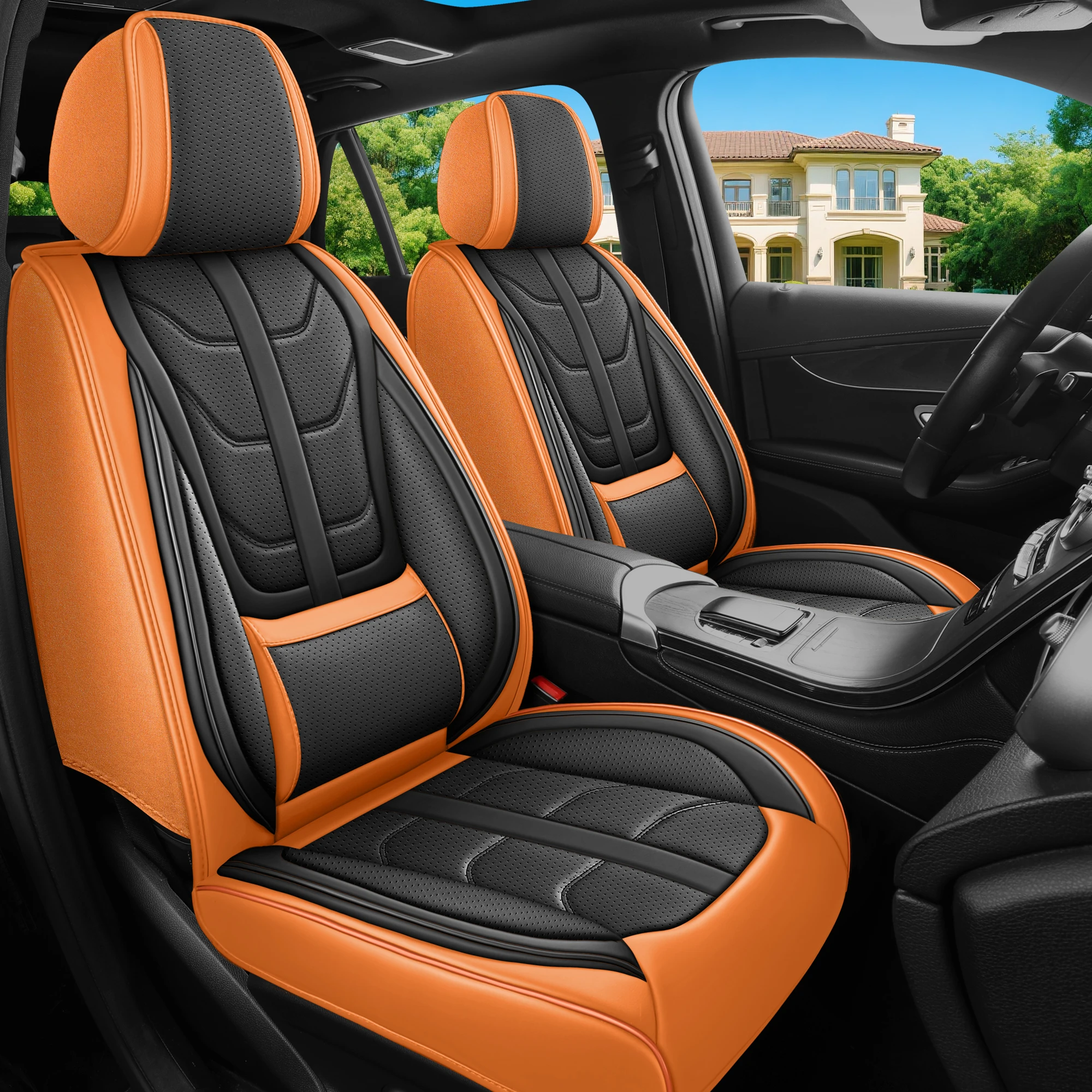
Direct factory sourcing eliminates intermediary markups, reduces lead times, and provides opportunities for product customization that align with specific market requirements. Manufacturing facilities specializing in automotive seat protection products have evolved sophisticated production capabilities, incorporating advanced materials, precise engineering, and quality control systems that meet international standards. Understanding the nuances of factory selection, communication protocols, and quality assurance processes becomes crucial for successful sourcing partnerships.
Understanding Factory Types and Capabilities
OEM Manufacturing Facilities
Original Equipment Manufacturer facilities represent the highest tier of production quality in the automotive accessories industry. These factories typically maintain certifications such as ISO 9001, TS 16949, and other automotive-specific quality standards that ensure consistent product excellence. OEM manufacturers often possess extensive research and development departments, enabling them to create innovative car chair covers that incorporate cutting-edge materials and ergonomic designs. Their production processes utilize automated machinery, precision cutting systems, and rigorous testing protocols that guarantee dimensional accuracy and durability.
Working with OEM facilities provides access to premium materials including genuine leather, high-grade synthetic alternatives, and advanced fabric technologies that offer superior wear resistance and aesthetic appeal. These manufacturers typically require larger minimum order quantities but deliver exceptional value through superior product quality and comprehensive technical support. Their expertise extends beyond basic manufacturing to include product development assistance, material selection guidance, and compliance with regional safety regulations.
Specialized Aftermarket Producers
Aftermarket specialized manufacturers focus exclusively on automotive accessories and have developed particular expertise in car chair covers production. These facilities often offer more flexible ordering terms, shorter lead times, and greater customization options compared to larger OEM operations. Their specialized focus allows for rapid adaptation to market trends, seasonal demands, and specific customer requirements while maintaining competitive pricing structures.
Many aftermarket producers have established strong relationships with material suppliers, enabling them to source premium components at favorable costs and pass these savings to their customers. These factories typically employ skilled craftspeople who understand the intricacies of automotive interior design and can produce car chair covers that perfectly complement various vehicle models and interior configurations. Their agility in production scheduling and order management makes them ideal partners for businesses with dynamic inventory requirements.
Essential Factory Evaluation Criteria
Production Capacity and Infrastructure
Evaluating a factory's production capacity involves examining their manufacturing equipment, facility size, workforce capabilities, and operational efficiency metrics. Modern car chair covers production requires specialized machinery including computer-controlled cutting systems, industrial sewing equipment, and quality inspection stations that ensure consistent output quality. Factories with automated production lines can achieve higher precision and faster turnaround times while reducing labor-related variability in product quality.
Infrastructure assessment should include examination of raw material storage facilities, environmental controls that protect materials from degradation, and logistics capabilities that ensure timely shipment coordination. Reliable factories maintain backup equipment, redundant production lines, and contingency plans that minimize disruption risks. Their facility layout should demonstrate efficient workflow patterns, proper material handling systems, and adequate space for quality control processes that maintain product integrity throughout production.
Quality Management Systems
Comprehensive quality management systems form the foundation of reliable factory partnerships and ensure consistent car chair covers production standards. Effective manufacturers implement multi-stage inspection processes that begin with incoming material verification and continue through each production phase until final packaging. These systems typically include statistical process control methods, dimensional verification protocols, and performance testing procedures that validate product durability and aesthetic qualities.
Documentation systems within quality management frameworks provide traceability for materials, production parameters, and inspection results that enable rapid issue resolution and continuous improvement initiatives. Factories with robust quality systems maintain calibrated testing equipment, trained quality control personnel, and standardized procedures that ensure every batch of car chair covers meets specified requirements. Their commitment to quality extends to supplier qualification programs that verify material quality and consistency from upstream partners.
Supply Chain Integration Strategies
Material Sourcing Networks
Successful car chair covers manufacturers maintain sophisticated material sourcing networks that ensure consistent availability of high-quality components while managing cost fluctuations effectively. These networks typically include multiple suppliers for critical materials, enabling factories to maintain production continuity even when individual suppliers experience disruptions. Strategic sourcing relationships often involve long-term contracts that provide price stability and priority allocation during periods of high demand or material scarcity.
Material sourcing networks encompass various supplier categories including fabric mills, leather processors, foam manufacturers, and hardware suppliers that provide components such as zippers, buckles, and attachment mechanisms. Reliable factories conduct regular supplier audits, material testing programs, and performance evaluations that ensure their sourcing partners maintain quality standards and delivery reliability. These comprehensive sourcing strategies enable consistent car chair covers production while maintaining competitive pricing and material innovation capabilities.
Logistics and Distribution Coordination
Effective logistics coordination involves multiple transportation modes, customs clearance procedures, and delivery scheduling systems that ensure timely car chair covers delivery while minimizing shipping costs and transit risks. Experienced factories maintain relationships with freight forwarders, customs brokers, and logistics providers that specialize in automotive accessories transportation and understand international shipping requirements for various destination markets.
Distribution coordination extends beyond basic shipping to include packaging optimization, consolidation opportunities, and tracking systems that provide real-time visibility into shipment status and delivery schedules. Factories with advanced logistics capabilities offer flexible shipping options including expedited delivery services, partial shipment arrangements, and consolidation with other orders that optimize transportation efficiency. Their logistics expertise helps customers manage inventory levels, reduce carrying costs, and maintain adequate stock availability for their sales operations.
Communication and Relationship Management
Technical Communication Protocols
Establishing clear technical communication protocols ensures accurate specification transmission, reduces misunderstandings, and facilitates efficient problem resolution throughout the car chair covers sourcing process. Effective communication systems include standardized specification formats, technical drawing conventions, and sample approval procedures that minimize ambiguity and ensure precise product development. These protocols typically involve multiple communication channels including email correspondence, video conferences, and collaborative platforms that enable real-time information sharing.
Technical communication extends to material specifications, dimensional tolerances, color matching requirements, and performance criteria that define acceptable product characteristics. Reliable factories maintain technical documentation systems, specification databases, and change control procedures that ensure accurate information management and prevent miscommunication-related production errors. Their communication capabilities include multilingual support, cultural awareness, and time zone considerations that facilitate smooth interaction with international customers.
Partnership Development Approaches
Long-term partnership development involves mutual investment in relationship building, shared goals establishment, and collaborative improvement initiatives that benefit both parties in car chair covers sourcing arrangements. Successful partnerships typically begin with small orders that demonstrate factory capabilities and build trust through consistent performance delivery. These relationships evolve to include joint product development projects, exclusive arrangements, and strategic planning activities that align factory capabilities with customer market objectives.
Partnership development approaches include regular business reviews, performance metric evaluations, and feedback mechanisms that identify improvement opportunities and strengthen collaborative relationships. Effective partnerships often involve factory visits, technical exchanges, and market intelligence sharing that enhance mutual understanding and enable proactive responses to industry changes. These strategic relationships provide competitive advantages through preferential pricing, priority production scheduling, and access to new product innovations before general market availability.
FAQ
What minimum order quantities should I expect when sourcing car chair covers directly from factories?
Minimum order quantities vary significantly depending on factory type, product complexity, and customization requirements. OEM manufacturers typically require 500-1000 pieces per style, while specialized aftermarket producers may accept orders as low as 100-300 pieces. Custom designs or specific material requirements often increase minimum quantities due to setup costs and material procurement constraints. Negotiating flexible MOQs becomes easier as business relationships develop and order volumes increase over time.
How do I verify factory certifications and quality standards for automotive accessories production?
Verification involves requesting official certification documents, conducting facility audits, and checking references from existing customers. Key certifications include ISO 9001 for quality management, ISO 14001 for environmental standards, and automotive-specific certifications like TS 16949. Third-party inspection services can provide independent verification of factory capabilities and quality systems. Additionally, reviewing customer testimonials, examining sample products, and conducting trial orders help validate factory performance claims.
What are the typical lead times for car chair covers production and delivery?
Production lead times typically range from 15-45 days depending on order complexity, customization requirements, and factory capacity utilization. Standard designs using readily available materials generally require shorter lead times, while custom specifications or unique materials may extend production schedules. Shipping times add 7-30 days depending on transportation method and destination. Experienced factories provide accurate lead time estimates and maintain buffer capacity to accommodate urgent orders when necessary.
How can I ensure consistent quality control when working with overseas car chair covers manufacturers?
Consistent quality control requires establishing detailed specifications, implementing regular inspection protocols, and maintaining clear communication throughout production. Pre-production samples should be approved before bulk manufacturing begins. Third-party inspection services can conduct quality checks during production and before shipment. Developing long-term relationships with reliable suppliers, providing clear feedback, and implementing corrective action procedures when issues arise helps maintain quality standards over time.
Table of Contents
- Understanding Factory Types and Capabilities
- Essential Factory Evaluation Criteria
- Supply Chain Integration Strategies
- Communication and Relationship Management
-
FAQ
- What minimum order quantities should I expect when sourcing car chair covers directly from factories?
- How do I verify factory certifications and quality standards for automotive accessories production?
- What are the typical lead times for car chair covers production and delivery?
- How can I ensure consistent quality control when working with overseas car chair covers manufacturers?