 EN
EN

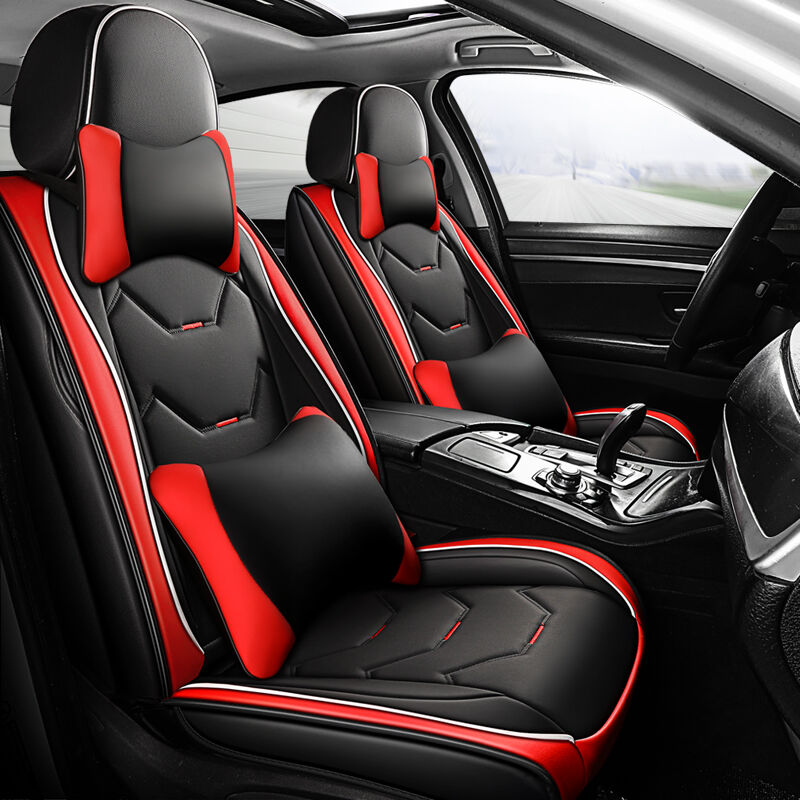
Maintaining seat cover car quality during bulk shipment requires careful planning, proper packaging techniques, and strategic logistics coordination. When automotive seat covers are transported in large quantities, they face numerous challenges including compression damage, moisture exposure, temperature fluctuations, and handling stress that can compromise their structural integrity and aesthetic appeal. Understanding these risks and implementing comprehensive quality preservation strategies ensures that seat cover car products arrive at their destination in optimal condition, protecting both manufacturer reputation and customer satisfaction.
The complexities of bulk seat cover car transportation extend beyond simple packaging considerations, encompassing material science principles, supply chain logistics, and quality control methodologies. Modern automotive seat covers incorporate diverse materials including leather, synthetic fabrics, memory foam, and specialized coatings that each respond differently to shipping stresses. Successful quality maintenance during bulk shipment requires a systematic approach that addresses packaging design, environmental controls, handling procedures, and inspection protocols tailored to the specific characteristics of seat cover car products.
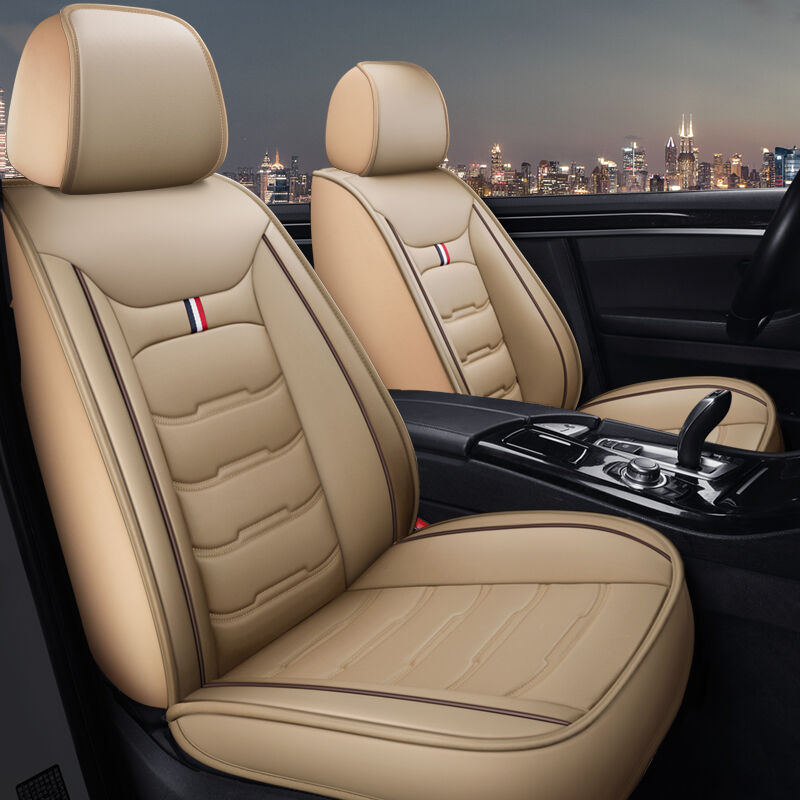
Understanding Material Vulnerabilities in Seat Cover Car Products
Leather and Synthetic Material Considerations
Leather seat cover car products present unique challenges during bulk shipment due to their organic nature and susceptibility to environmental conditions. Natural leather contains oils and proteins that can be affected by temperature extremes, humidity fluctuations, and prolonged compression. During bulk transportation, leather seat covers stacked without proper ventilation may develop moisture retention, leading to mold growth, discoloration, or structural weakening. The key to maintaining leather seat cover car quality lies in controlled atmosphere packaging that regulates humidity levels between 45-55% and prevents direct contact between leather surfaces.
Synthetic materials used in seat cover car manufacturing, including polyurethane, vinyl, and technical fabrics, exhibit different vulnerability patterns during bulk shipment. These materials often demonstrate superior resistance to moisture but may suffer from compression set under sustained pressure, resulting in permanent deformation or creasing. High-quality synthetic seat cover car products typically incorporate plasticizers and UV stabilizers that can migrate or degrade under extreme temperature conditions, making climate-controlled transportation essential for premium product lines.
Foam and Cushioning Component Protection
Memory foam and polyurethane cushioning elements within seat cover car assemblies require specialized attention during bulk shipment to prevent compression damage and maintain their recovery characteristics. These materials can lose their shape-retention properties when subjected to sustained pressure exceeding their design thresholds, particularly in high-temperature environments where polymer chains become more flexible. Effective protection strategies include vacuum packaging individual seat cover car units to distribute pressure evenly and incorporating rigid separators between stacked products.
The cellular structure of foam components in seat cover car products makes them particularly vulnerable to crushing damage when improperly stacked during bulk transportation. Quality maintenance requires understanding the compression recovery time of specific foam formulations and designing packaging systems that allow adequate recovery periods during transit stops. Advanced seat cover car manufacturers often specify maximum stacking heights and rotation schedules to prevent permanent deformation of cushioning elements.
Optimal Packaging Strategies for Bulk Seat Cover Car Shipments
Individual Product Protection Systems
Individual packaging serves as the first line of defense in maintaining seat cover car quality during bulk shipment, requiring materials and techniques that address both mechanical protection and environmental isolation. High-quality protective films should be breathable to prevent moisture accumulation while providing barrier protection against dust, oils, and chemical contaminants. Each seat cover car unit should be wrapped in materials that complement the product's specific material composition, with natural fiber products requiring different protection strategies than synthetic alternatives.
The selection of individual packaging materials significantly impacts the overall quality preservation of seat cover car products during extended transportation periods. Polyethylene films with anti-static properties prevent dust attraction and reduce handling damage, while specialized breathable membranes allow controlled moisture transfer without compromising protection. For premium seat cover car lines, individual packaging may include desiccant packets, pH-neutral tissue paper, and custom-fitted protective inserts that maintain product shape during compression cycles.
Bulk Container Design and Configuration
Bulk container design plays a crucial role in maintaining seat cover car quality by controlling the internal environment and managing mechanical stresses during transportation. Proper container selection considers factors including ventilation requirements, temperature regulation, vibration dampening, and load distribution to create optimal conditions for seat cover car preservation. Advanced container systems incorporate adjustable shelving, climate control capabilities, and monitoring systems that provide real-time feedback on environmental conditions throughout the shipping process.
The internal configuration of bulk shipping containers directly affects seat cover car quality preservation through strategic arrangement patterns that minimize pressure points and optimize airflow distribution. Effective configurations utilize modular racking systems that prevent direct stacking pressure while maintaining efficient space utilization. For seat cover car products with complex geometries, custom-designed supports and separators ensure that each unit maintains its intended shape throughout the transportation cycle.
Environmental Control and Climate Management
Temperature Regulation Strategies
Temperature control represents a critical factor in maintaining seat cover car quality during bulk shipment, as extreme temperatures can cause material degradation, dimensional changes, and performance deterioration. Leather seat cover car products are particularly sensitive to temperature fluctuations, with excessive heat causing oils to migrate and cold temperatures making materials brittle and prone to cracking. Optimal temperature ranges typically fall between 15-25°C (59-77°F) for most seat cover car materials, though specific products may require more stringent controls based on their material composition.
Advanced temperature management systems for bulk seat cover car shipments incorporate redundant monitoring, automated alerts, and backup climate control capabilities to ensure consistent environmental conditions. These systems must account for external temperature variations, container thermal mass, and heat generation from packaging materials or electronic monitoring equipment. Insulated containers with active climate control provide the highest level of temperature stability but require careful energy management and backup power systems for extended transportation periods.
Humidity and Moisture Control
Humidity management is essential for preserving seat cover car quality during bulk shipment, as excessive moisture can promote mold growth, adhesive failure, and material degradation while insufficient humidity can cause cracking and brittleness in natural materials. Optimal humidity levels for seat cover car transportation typically range from 40-60% relative humidity, though specific requirements may vary based on material composition and packaging configuration. Desiccant systems, vapor barriers, and active humidity control equipment help maintain appropriate moisture levels throughout the shipping process.
Moisture control strategies for bulk seat cover car shipments must address both external humidity infiltration and internal moisture generation from product materials and packaging systems. Effective approaches include sealed container systems with desiccant chambers, breathable packaging that allows controlled moisture transfer, and monitoring systems that detect humidity variations before they impact product quality. Regular moisture level assessment and adjustment protocols ensure that seat cover car products maintain their intended characteristics throughout extended transportation periods.
Handling and Loading Procedures for Quality Preservation
Mechanical Stress Management
Proper handling procedures are fundamental to maintaining seat cover car quality during bulk shipment, as mechanical stresses from loading, transportation, and unloading operations can cause permanent damage to delicate materials and components. Training protocols for handling personnel should emphasize gentle manipulation techniques, proper lifting methods, and recognition of potential damage indicators that require immediate attention. Specialized handling equipment including padded forks, soft-grip clamps, and vibration-dampened transport devices minimize mechanical stress during seat cover car movement operations.
Load distribution strategies significantly impact seat cover car quality preservation by managing pressure concentrations and preventing localized stress points that can cause permanent deformation or material failure. Effective loading patterns utilize weight distribution principles, load-bearing calculations, and strategic placement of heavier items to minimize pressure on vulnerable seat cover car components. Regular load inspection and adjustment procedures during transportation help identify and correct potential quality issues before they result in permanent damage.
Vibration and Impact Protection
Transportation vibrations and impact forces present ongoing challenges for maintaining seat cover car quality during bulk shipment, particularly for products with complex assemblies or delicate surface treatments. Vibration dampening systems including shock-absorbing mounts, flexible suspension systems, and resonance-disrupting materials help isolate seat cover car products from road-induced mechanical disturbances. Impact protection measures such as corner guards, edge protectors, and cushioned barriers prevent damage from sudden accelerations, braking, or handling accidents.
Advanced vibration control systems for bulk seat cover car shipments incorporate active dampening technologies that automatically adjust to changing road conditions and transportation modes. These systems monitor acceleration patterns, frequency spectrums, and impact magnitudes to provide real-time protection optimization. For high-value seat cover car products, sophisticated isolation systems may include pneumatic suspension, active vibration cancellation, and computer-controlled stabilization that maintains optimal protection throughout the entire shipping process.
Quality Monitoring and Inspection Protocols
Real-Time Monitoring Systems
Real-time monitoring systems provide continuous oversight of conditions affecting seat cover car quality during bulk shipment, enabling immediate response to environmental deviations or handling irregularities. Advanced monitoring equipment tracks temperature, humidity, vibration levels, container orientation, and atmospheric composition while transmitting data to logistics coordinators for proactive quality management. These systems allow early intervention when conditions threaten seat cover car integrity, preventing quality degradation through immediate corrective actions.
Data logging capabilities in modern monitoring systems create comprehensive quality documentation for bulk seat cover car shipments, providing valuable insights for continuous improvement and quality assurance protocols. Historical data analysis helps identify patterns that affect seat cover car quality, enabling refinement of packaging strategies, handling procedures, and transportation routes. Integration with supply chain management systems allows real-time quality status updates and automated alerts when seat cover car products require immediate attention or special handling.
Inspection and Documentation Procedures
Systematic inspection procedures at key points throughout the bulk shipment process ensure early detection of quality issues affecting seat cover car products before they become irreversible. Pre-shipment inspections establish baseline quality standards, mid-transit checks monitor ongoing condition status, and arrival inspections document any quality changes that occurred during transportation. Standardized inspection checklists, photographic documentation, and quality scoring systems provide consistent evaluation criteria for seat cover car condition assessment.
Documentation protocols for bulk seat cover car shipments create accountability trails that support quality claims, warranty procedures, and continuous improvement initiatives. Comprehensive records should include environmental condition logs, handling incident reports, inspection findings, and corrective action documentation. Digital documentation systems with cloud-based storage ensure that seat cover car quality information remains accessible throughout the supply chain and provides valuable data for optimizing future shipment procedures.
FAQ
What are the most critical factors affecting seat cover car quality during bulk transportation?
The most critical factors include temperature fluctuations, humidity variations, mechanical compression, vibration exposure, and handling stress. Temperature extremes can cause material degradation and dimensional changes, while improper humidity levels may lead to mold growth or material brittleness. Mechanical factors such as compression from stacking and vibration from transportation can cause permanent deformation or structural damage to seat cover car products.
How should different seat cover car materials be packaged for bulk shipment?
Leather seat covers require breathable packaging with humidity control between 45-55% and temperature stability. Synthetic materials need protection from compression and UV exposure, often utilizing vacuum packaging or rigid separators. Memory foam components require minimal compression packaging with adequate recovery time, while composite products need customized protection addressing each material component's specific vulnerabilities.
What monitoring equipment is essential for maintaining seat cover car quality during shipping?
Essential monitoring equipment includes digital temperature and humidity sensors with data logging capabilities, vibration monitors for tracking mechanical disturbances, GPS tracking systems for location and handling oversight, and atmospheric sensors for detecting harmful gases or contaminants. Advanced systems may include shock sensors, tilt indicators, and real-time communication capabilities for immediate quality alerts.
How can handling damage to seat cover car products be minimized during bulk shipment?
Minimizing handling damage requires comprehensive staff training on proper lifting and movement techniques, specialized handling equipment with padded contact surfaces, strategic packaging that protects vulnerable areas, and clear handling instructions accompanying each shipment. Implementing controlled access procedures, gentle handling protocols, and regular equipment maintenance ensures that seat cover car products receive appropriate care throughout the shipping process.
Table of Contents
- Understanding Material Vulnerabilities in Seat Cover Car Products
- Optimal Packaging Strategies for Bulk Seat Cover Car Shipments
- Environmental Control and Climate Management
- Handling and Loading Procedures for Quality Preservation
- Quality Monitoring and Inspection Protocols
-
FAQ
- What are the most critical factors affecting seat cover car quality during bulk transportation?
- How should different seat cover car materials be packaged for bulk shipment?
- What monitoring equipment is essential for maintaining seat cover car quality during shipping?
- How can handling damage to seat cover car products be minimized during bulk shipment?