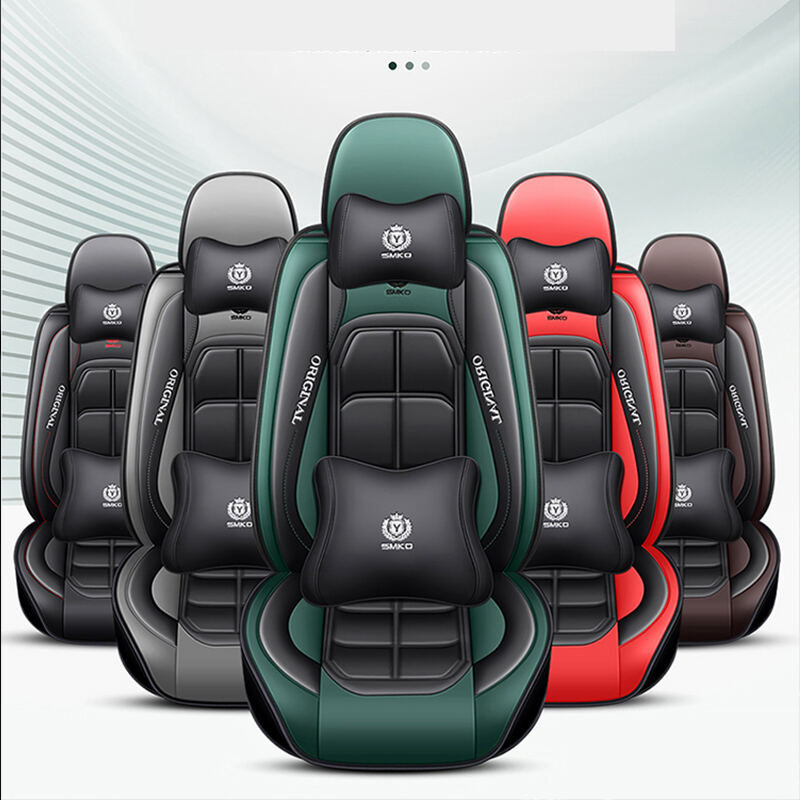
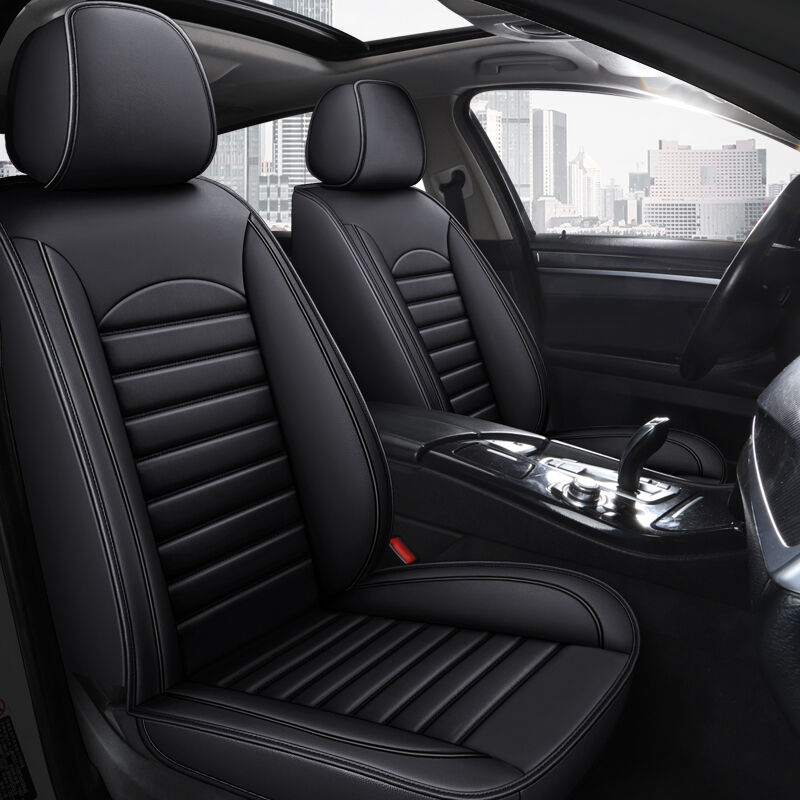
car seat cover material types
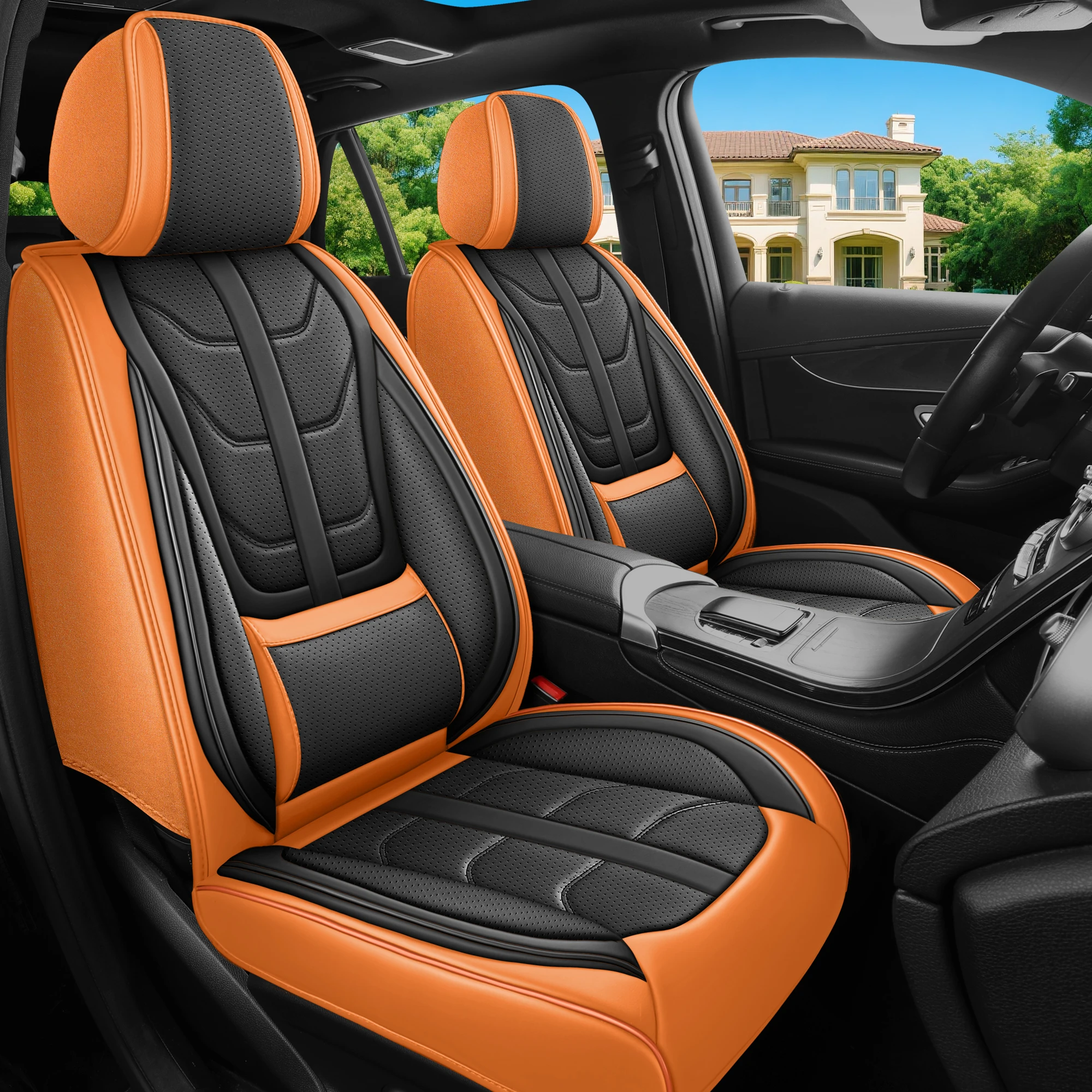
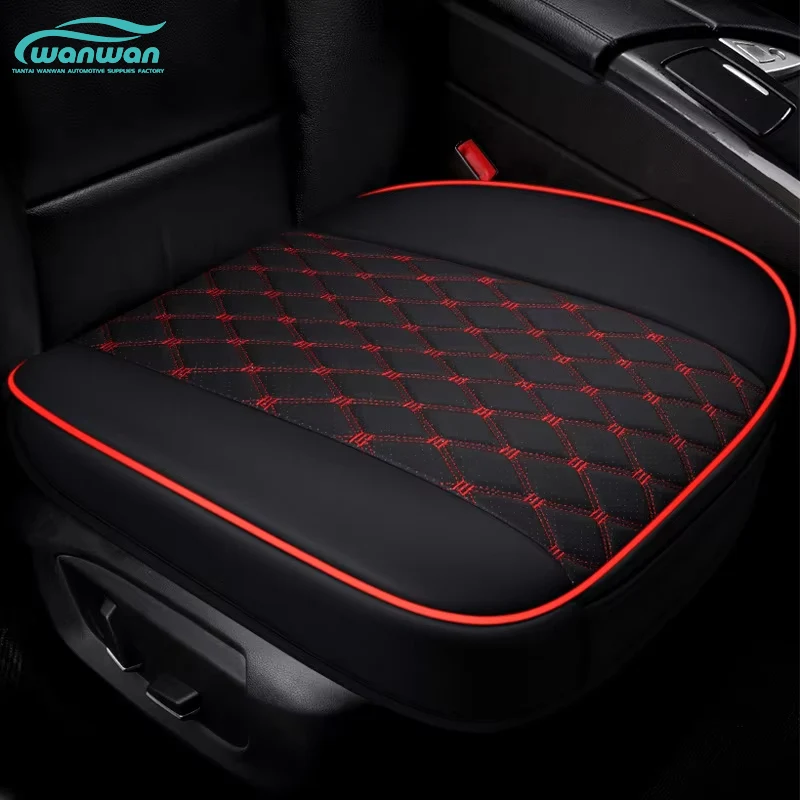
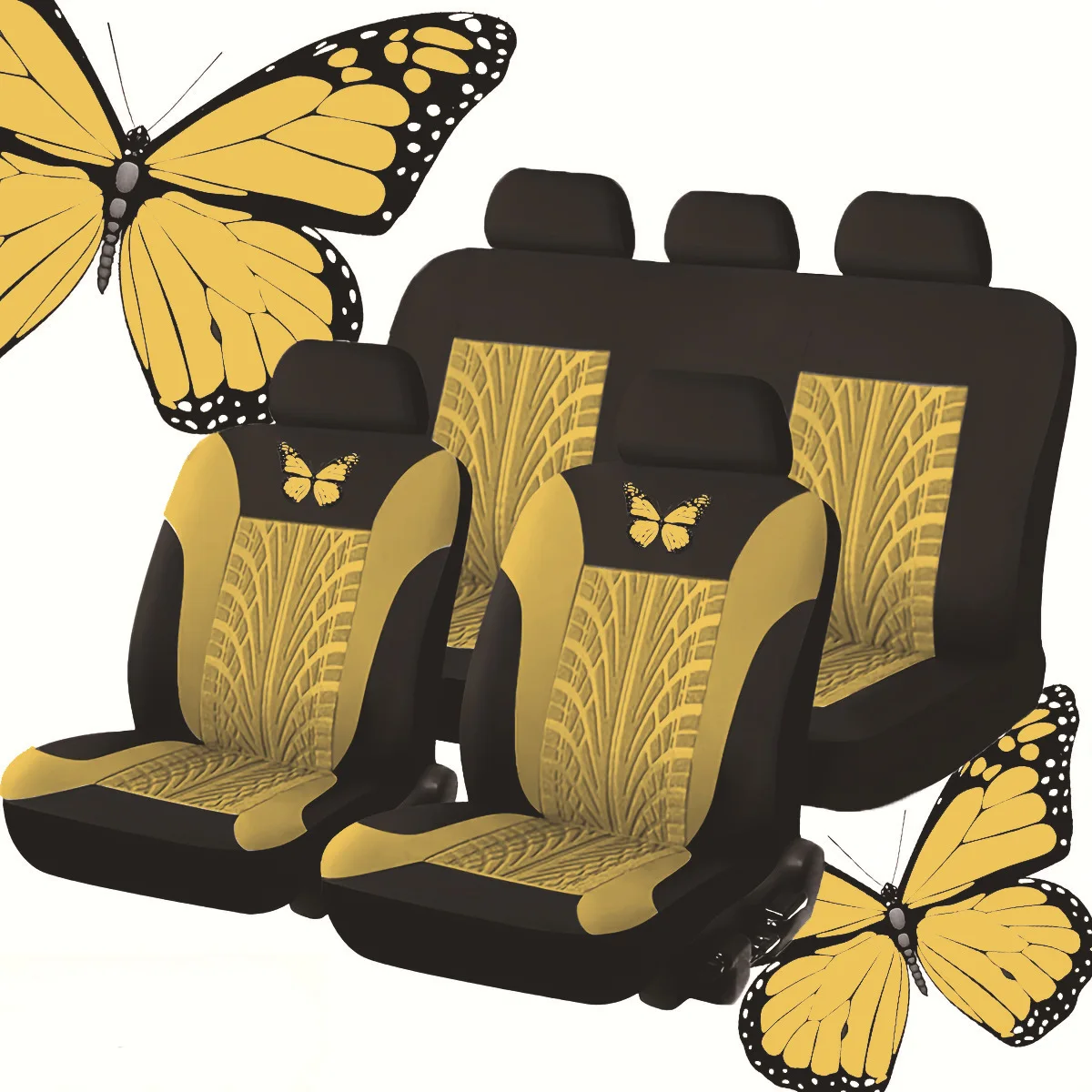
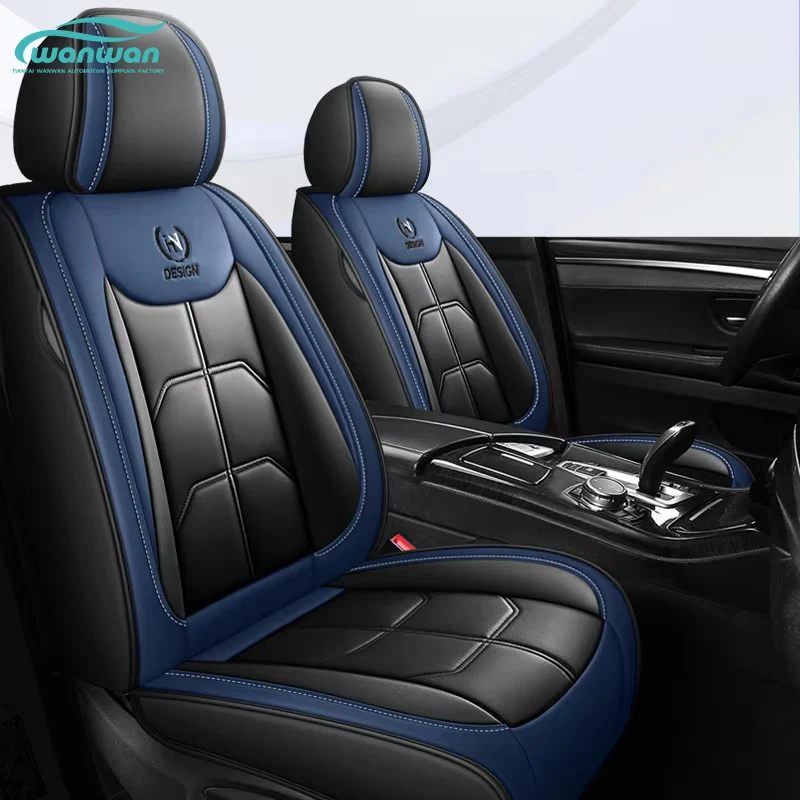
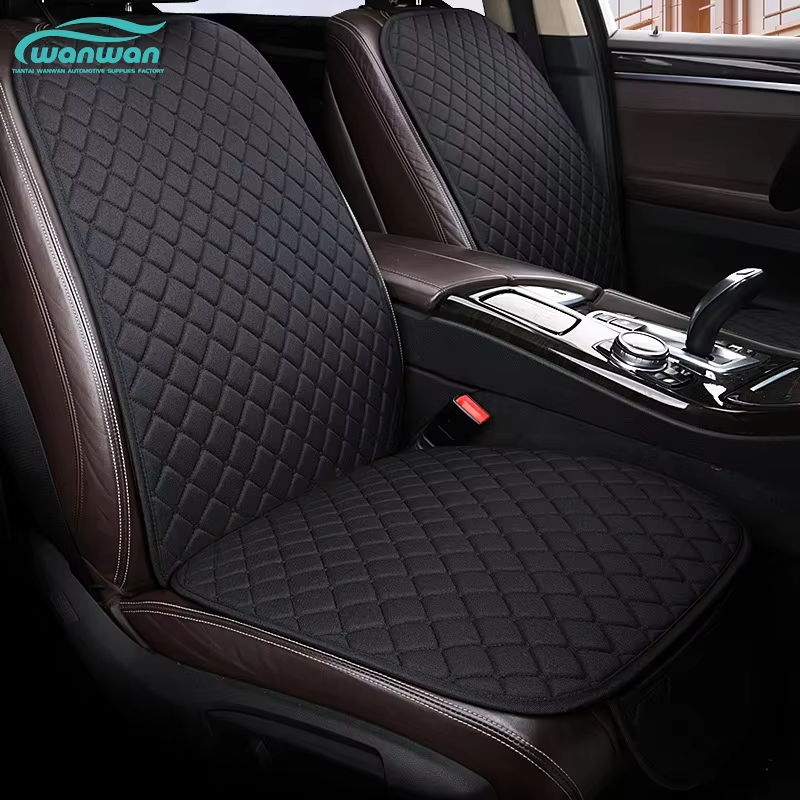
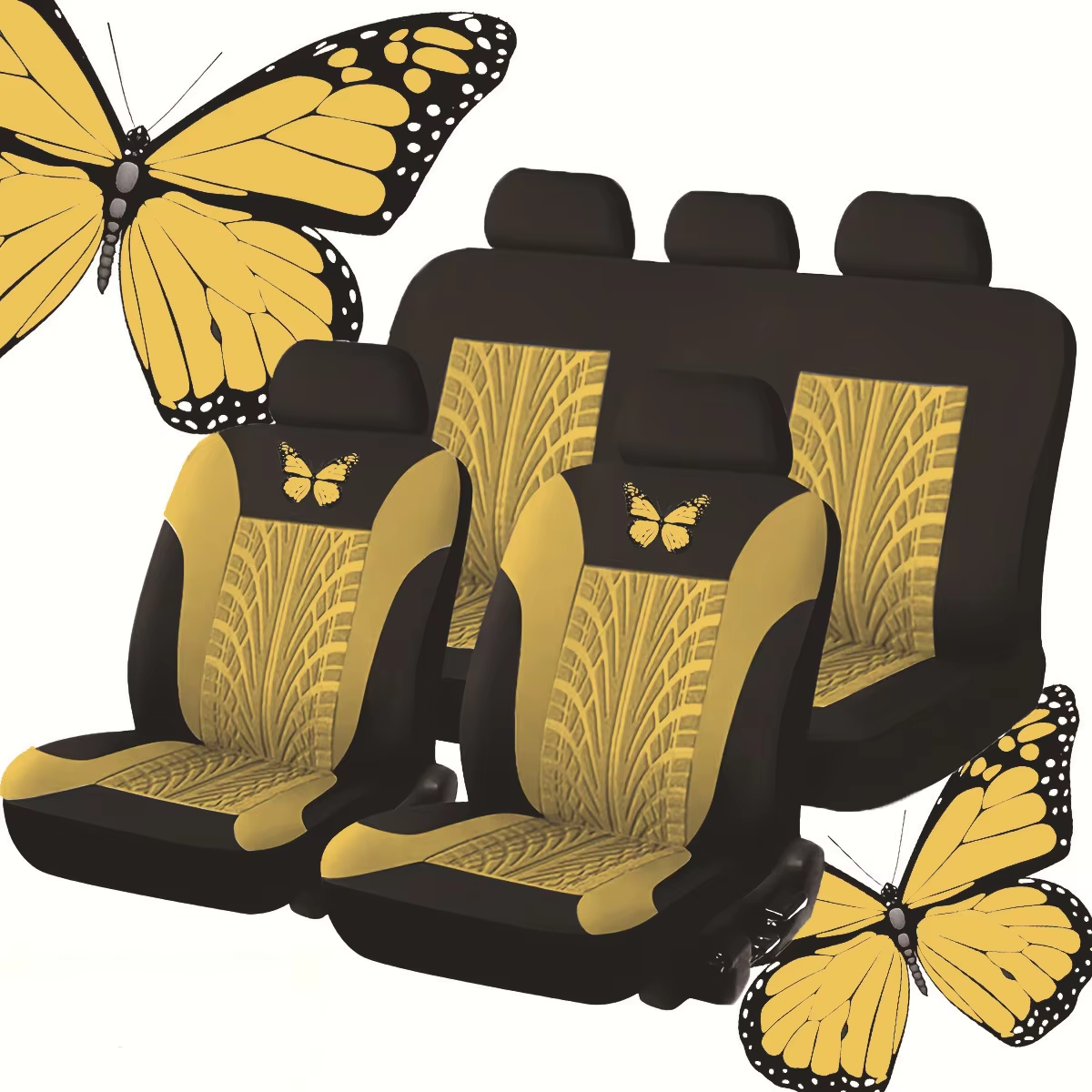
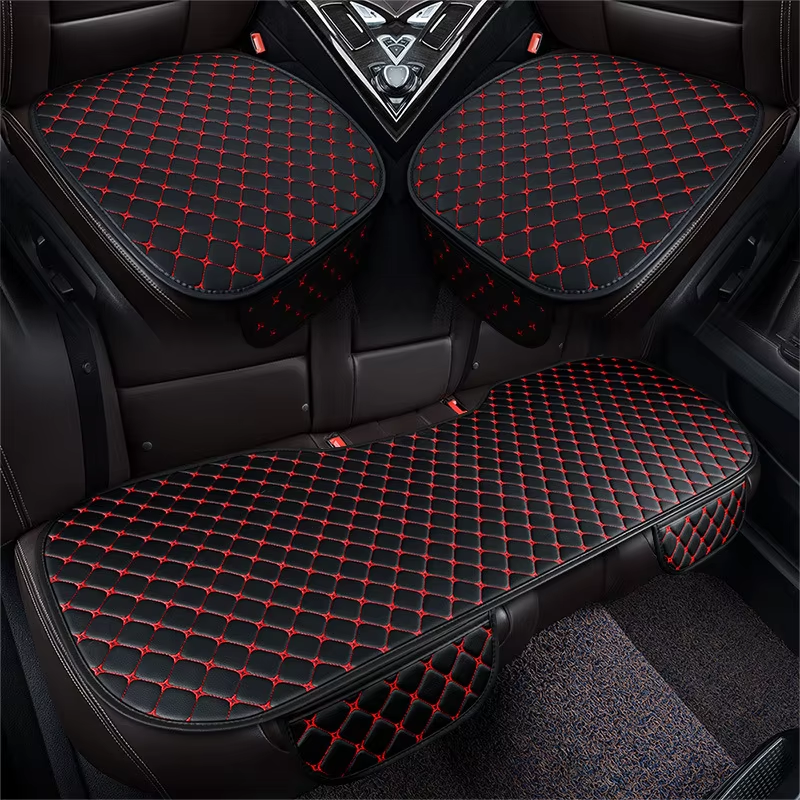
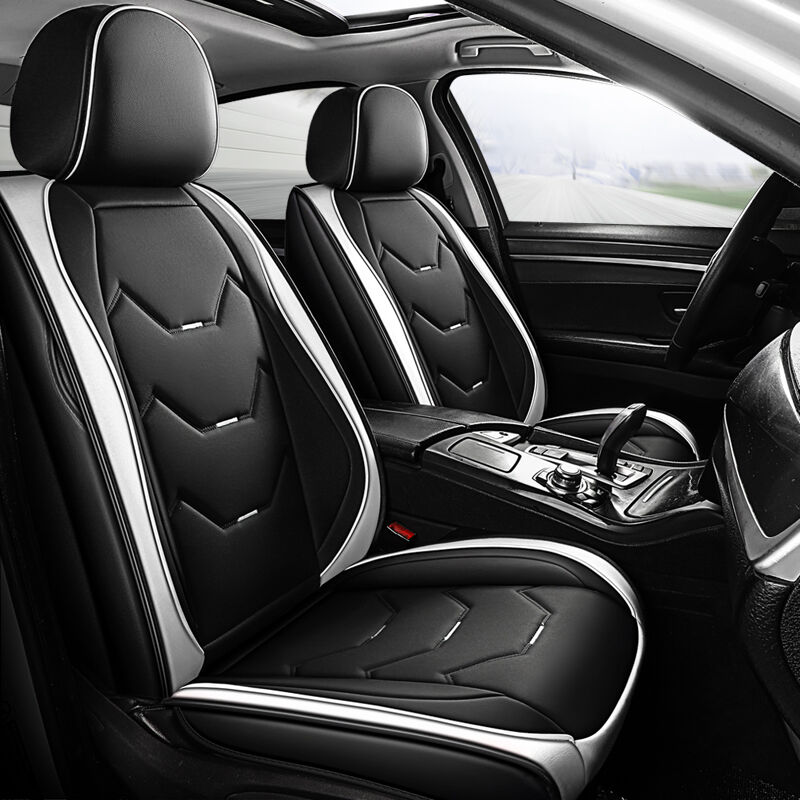
Car seat cover material types represent a diverse range of protective and aesthetic solutions designed to enhance vehicle interior comfort, durability, and style. These specialized materials serve multiple essential functions including protecting original upholstery from wear, stains, and damage while providing improved comfort during extended driving periods. The primary car seat cover material types include genuine leather, synthetic leather, neoprene, canvas, mesh fabric, sheepskin, and various textile blends, each engineered with specific technological features to meet different consumer needs and environmental conditions. Leather car seat covers offer premium aesthetics and natural breathability, utilizing advanced tanning processes that create supple yet durable surfaces resistant to cracking and fading. Synthetic alternatives incorporate polymer-based technologies that replicate leather appearance while providing enhanced water resistance and easier maintenance protocols. Neoprene materials employ closed-cell foam structures originally developed for marine applications, delivering exceptional water protection and temperature regulation through innovative cellular design. Canvas options utilize heavy-duty cotton or cotton-polyester weaves treated with protective coatings for industrial-strength durability in harsh working environments. Mesh fabrics integrate advanced fiber technologies that promote maximum airflow circulation, preventing heat buildup during summer months through strategic ventilation patterns. Sheepskin covers harness natural wool properties for temperature regulation, providing cooling effects in heat and warming benefits during cold weather through biological fiber structures. Modern car seat cover material types incorporate antimicrobial treatments, UV-resistant compounds, and flame-retardant technologies to ensure safety and hygiene standards. Installation systems have evolved to include universal fitting mechanisms, custom-tailored designs, and quick-release fastening systems that accommodate various vehicle models and seat configurations. These materials undergo rigorous testing for colorfastness, abrasion resistance, and dimensional stability to maintain appearance and functionality throughout extended use periods in automotive environments.
 EN
EN