 EN
EN

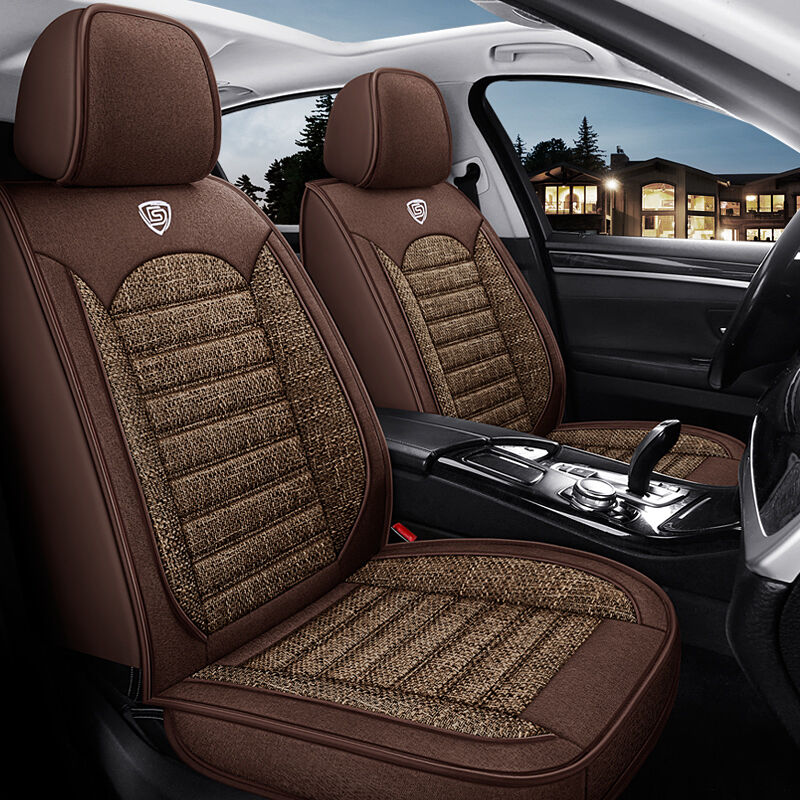
Pumili ng tama kompletong set ng takip ng upuan ng sasakyan para sa isang premium na automotive brand ay isa sa pinakamahalagang desisyon na maaaring gawin ng isang may-ari o fleet manager para sa pangmatagalang proteksyon ng looban at pagkakapareho ng brand. Ang mga premium na sasakyan tulad ng executive sedan, luxury SUV, at high-end crossover ay kasama ang mga upuang gawa sa pabrika na may kahusayan sa paggawa na kumakatawan sa isang malaking bahagi ng perceived value ng sasakyan. Ang pagpili ng mga takip na hindi umaayon sa engineering tolerances, contour geometry, o standard ng materyales ng mga loobang ito ay maaaring magdulot ng pagkalag, pressure points, interference sa airbag, o visual mismatch na sumisira sa kabuuang aesthetic ng looban. Kaya naman, ang paggawa ng tamang pagpili mula sa simula ay hindi lamang isang usapan ng personal na panlasa — kundi isang usapan ng proteksyon sa isang malaking investment.
Ginagabay ng gabay na ito ang buong proseso ng pagpili para sa isang kumpletong set ng takip para sa upuan ng sasakyan na idinisenyo partikular na upang palakasin o protektahan ang mga premium na interior ng sasakyan. Kung ikaw ay naghahanap ng mga takip para sa pribadong sasakyan, korporatibong fleet, serbisyo ng pagbabahagi ng sasakyan (car-sharing), o imbentaryo ng mga second-hand na sasakyan ng isang dealership, ang mga prinsipyong inilalahad dito ay tutulong sa iyo na suriin ang pagkakasya, pagganap ng materyales, pagsumunod sa mga pamantayan sa kaligtasan, at pangmatagalang halaga. Sa wakas ng artikulong ito, mayroon kang isang istrukturadong balangkas upang tiyakin ang pagkakatugma ng anumang kumpletong set ng takip para sa upuan ng sasakyan sa mga tiyak na pangangailangan ng isang premium na automotive interior.
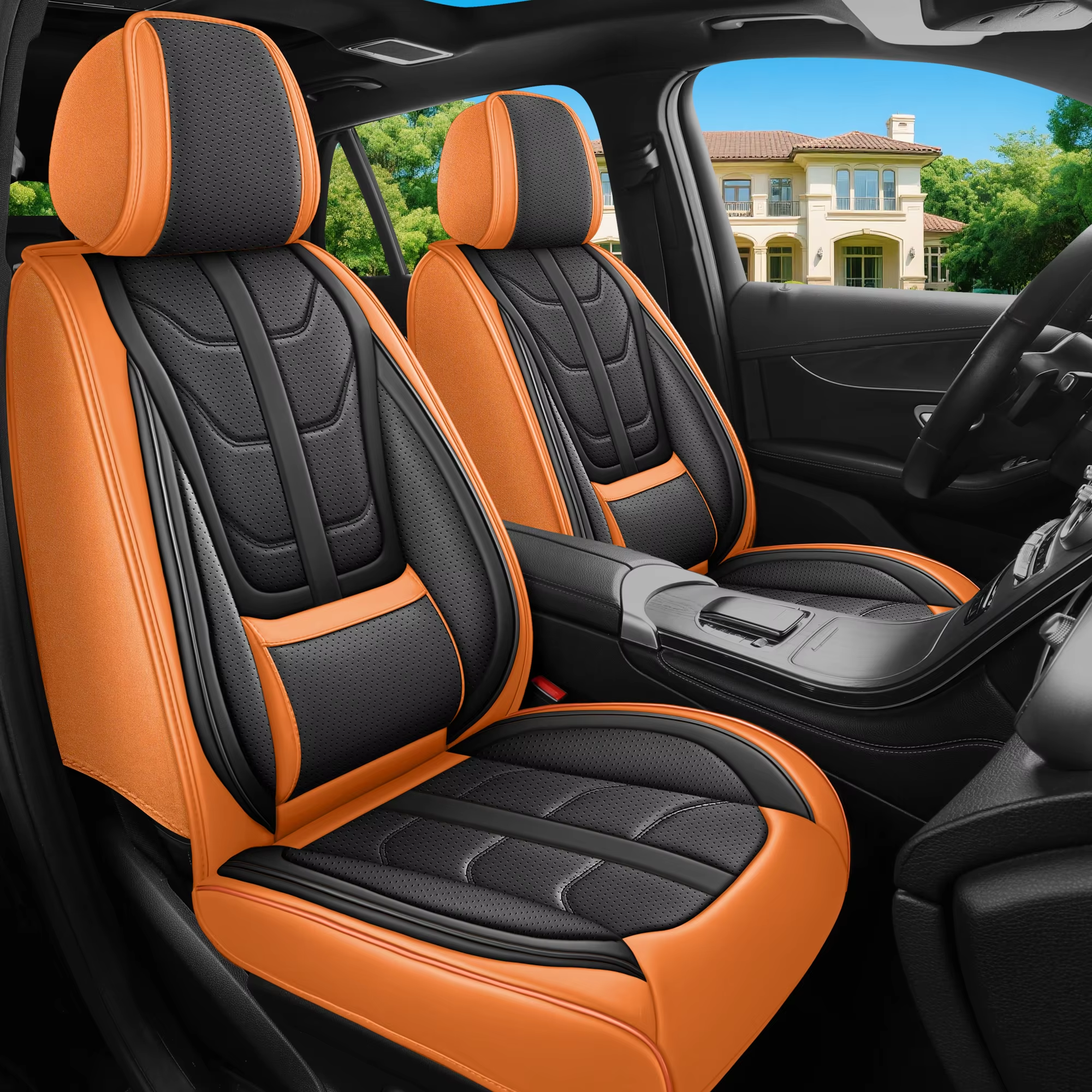
Pag-unawa sa mga Pangangailangan sa Estratektura ng Premium na Upuan ng Sasakyan
Bakit Kinakailangan ng Iba't Ibang Lohika sa Pagkakasya ang mga Premium na Upuan
Ang mga premium na brand ng sasakyan ay nag-iingat ng kanilang mga sistema ng upuan gamit ang isang antas ng kahusayan na bihira matagpuan sa mga karaniwang o ekonomiya na sasakyan. Ang mga kontur ng upuan sa mga sasakyang ito ay hugis upang suportahan ang tamang posisyon ng pasahero, ipamahagi nang matalino ang bigat, at gumana nang malapit na kasabay ng mga bentilador ng sistema ng kontrol sa klima na nakainkorpora sa loob o paligid ng mga bolster ng upuan. Ang isang buong set ng takip para sa upuan ng kotse na ilalagay sa mga ibabaw na ito ay dapat magkasya sa mga kontur na ito nang hindi pinalalambot ang ergonomikong profile nito o binabara ang pagganap ng sistema ng kontrol sa klima. Anumang takip na nagdaragdag ng labis na kapal ng padding o gumagamit ng isang sistema ng tensyon na 'one-size-fits-all' ay maaaring makapinsala sa orihinal na heometriya ng upuan, na nagreresulta sa pagbaba ng kaginhawahan o pagbabago sa posisyon ng drayber.
Ang hamong istruktural ay lalong lumalala dahil sa iba't ibang konpigurasyon ng upuan na matatagpuan sa mga premium na brand. Ang mga executive sedan ay maaaring may mga upuan na may power adjustment at memory positions, samantalang ang mga luxury SUV ay kadalasang may multi-zone na sistema para sa pagpainit at pagpapalamig. Ang isang buong set ng takip para sa upuan ng sasakyan na idinisenyo para sa mga ganitong kapaligiran ay dapat tumutugon sa mga aktibong zona sa paligid ng mga kontrol para sa lumbar adjustment, mga kontrol para sa side bolster, at mga kontrol sa ilalim ng upuan. Ang mga supplier na nakauunawa sa arkitektura ng premium na upuan ay karaniwang nag-ooffer ng mga template para sa pagkakaharmonya na partikular sa brand o modelo, imbes na pangkalahatang sukat na universal—kaya ang pagsasaalang-alang sa kompatibilidad na ito ang unang at pinakamahalagang filter sa proseso ng pagpili.
Kasiguruhan sa Pagkakabagay sa Side Airbag Bilang Pamantayan na Hindi Maaaring Iwan
Isa sa mga pinakamahalagang aspeto na may kinalaman sa kaligtasan sa pagpili ng isang buong set ng takip para sa upuan ng sasakyan para sa anumang premium na sasakyan ay ang pagtiyak na lubos na compatible ito sa mga side-impact curtain airbag na nakaimbak sa istruktura ng upuan. Kasama sa karamihan ng mga modernong premium na sasakyan ang mga side airbag na lumalabas sa pamamagitan ng isang nakatalagang channel ng butas sa panlabas na bahagi ng bolster ng upuan. Kung ang pattern ng pananahi, density ng foam, o katigasan ng materyal ng takip ay tumatawid sa lugar kung saan lumalabas ang airbag, maaaring mabawasan o mai-redirek ang puwersa ng paglalabas nito sa paraan na magdudulot ng pinsala imbes na maiwasan ito.
Ang mga respetadong produkto ng kumpletong set ng takip para sa upuan ng kotse na idinisenyo para sa mga premium na merkado ay malinaw na nagpapahiwatig ng konstruksyon na compatible sa airbag, karaniwang sa pamamagitan ng teknolohiyang split-seam o mga laser-perforated break zones na inilalagay upang payagan ang walang hadlang na pag-deploy. Bago tapusin ang anumang pagbili, tiyaking nasubok na ang produkto laban sa mga kinakailangan sa pagganap ng pag-deploy ng airbag at na ang tiyak na posisyon ng mga seam ay tumutugma sa lokasyon ng airbag channel sa modelo ng sasakyan na iyong pinaplano gamitin. Ang pag-iwas sa hakbang na ito sa pagpapatunay ay nagdudulot ng panganib sa pananagutan na hindi maaaring kompensahin ng anumang antas ng estetikong atractibo o kalidad ng materyal.
Pagpili ng Materyales para sa Premium na Panloob na Kapaligiran
Buong Leather at Mga Alternatibong Materyales na Katulad ng Leather
Kapag ang pabrikang upuan ng isang premium na sasakyan ay nakabalot sa tunay na leather, Nappa leather, o perforated leather, napakataas ng mga pag-asang visual at tactile na itinatakda ng kapaligiran ng loob ng sasakyan. Sa mga kontekstong ito, ang isang kumpletong set ng takip para sa upuan ng kotse ay pinakamainam na piliin ang buong leather o mataas na kalidad na PU leather na maaaring tunay na magkasya sa umiiral na kulay at estilo ng loob ng sasakyan. Ang mga takip na gawa sa buong leather ay nag-aalok ng tibay, madaling paglilinis ng ibabaw, at tekstura na umaayon sa posisyon ng luxury ng mga brand na karaniwang nag-i-install ng premium na leather mula sa pabrika.
Ang mga kagamitang kahalili ng leather, lalo na ang mga advanced na PU formulation na may micro-fiber backing, ay lubos nang umunlad at ngayon ay maaaring magbigay ng hangin-hanginan, kahapusan, at paglaban sa pagsuot na malapit na katumbas ng performance ng tunay na leather ngunit sa mas mababang kabuuang gastos. Para sa mga operator ng fleet o sa mga sasakyan para sa propesyonal na gamit na may mataas na mileage, ang isang buong set ng takip para sa upuan ng kotse na gawa sa mataas na densidad na PU leather na may quilted panels ay maaaring talagang magtagumpay kaysa sa tunay na leather sa aspeto ng kadalian ng pagpapanatili at paglaban sa surface cracking kapag ginagamit araw-araw nang husto. Ang susi ay ang pagpili ng antas ng materyal na visual na umaangkop sa orihinal na interior ng sasakyan imbes na lumikha ng malinaw na kontraste sa texture o sheen.
Mga Konsiderasyon sa Fabric at Hybrid na Materyal
Ang ilang may-ari ng premium na sasakyan ay mas pinipili ang buong set ng takip para sa upuan ng kotse na gawa sa tela o hybrid para sa seasonal na paggamit, lalo na sa mga klima kung saan ang pag-iingat ng init mula sa mga ibabaw na gawa sa leather ay nagdudulot ng kakaiba sa panahon ng tag-init. Ang mga mataas na kalidad na teknikal na tela — kabilang ang neoprene, ballistic nylon blends, o hinabi na microfiber — ay maaaring magbigay ng epektibong proteksyon laban sa pagsuot, mga stain, at pagpapalabas ng kulay dahil sa UV habang nag-aalok din ng mas mahusay na airflow at pamamahala ng temperatura kumpara sa solidong leather na ibabaw.
Ang mga hybrid na disenyo na pinauunlad sa pamamagitan ng pagkombina ng mga panel na gawa sa leather sa mga lugar na may mataas na kontak kasama ang mga breathable mesh o suede na accent sa gitnang bahagi ng likod at sa base ng upuan ay sumisigla sa popularidad sa mga may-ari ng premium na sasakyan na nais ang tibay ng leather kasama ang kumportableng pakiramdam ng tela. Kapag sinusuri ang isang buong set ng takip para sa upuan ng kotse na may hybrid na konpigurasyon, bigyang-pansin nang husto ang kalidad ng panahi sa transisyon sa pagitan ng iba’t ibang materyales, dahil ito ang karaniwang unang bahagi na nagpapakita ng pagkasira sa mga produkto ng mas mababang antas. Ang mga premium na hybrid na takip ay dapat mayroong palakasin na double-stitching sa lahat ng mga punto ng pagkakasalba ng materyales kasama ang pare-parehong tensyon ng sinulid sa buong set.
Kahusayan sa Pagkakahugis at Pasadyang Pagkakalapat Ayon sa Brand
Pangkalahatang Pagkakahugis Kontra sa Pasadyang Pagkakahugis
Ang merkado para sa buong set ng takip para sa upuan ng kotse ay nahahati nang malawakan sa mga disenyo na may pangkalahatang pagkakasya at mga disenyo na may pasadyang o kalahating pasadyang pagkakasya. Ang mga takip na may pangkalahatang pagkakasya ay gumagamit ng mga kumbinasyon ng kaukulang goma, mga fastener na may hook at loop, at nababatay na tela upang makamit ang isang pangkalahatang pagkakasya sa iba't ibang sukat ng upuan. Bagaman madaling makuha at abot-kaya ang mga produktong ito, sila ay lubos na hindi angkop para sa mga premium na brand ng sasakyan kung saan ang pagkakaiba-iba ng hugis ng upuan ay malaki at ang tiyak na pagkakasya ay direktang nakaaapekto sa komportabilidad at seguridad.
Ang mga kumpletong set ng takip para sa upuan ng sasakyan na may custom-fit o brand-specific ay ginagawa gamit ang mga CAD-mapped na template na kinuha mula sa aktwal na sukat ng upuan ng tiyak na modelo ng sasakyan. Ang pamamaraang ito ay nagbubunga ng takip na naka-wrap nang malinis sa bawat ibabaw ng upuan, nag-aalis ng pagkabulok sa mga lugar kung saan magkakaroon ng pagbabago sa hugis, at pinapanatili ang ergonomikong profile ng orihinal na upuan ng sasakyan. Para sa mga premium na brand, ang custom fitment ay hindi isang luho o karagdagang upgrade — ito ay ang pangunahing kinakailangan para sa isang produkto na gumagana tulad ng inaasahan. Kapag sinusuri ang mga teknikal na detalye ng supplier, humiling palagi ng kumpirmasyon na ang kumpletong set ng takip para sa upuan ng sasakyan ay na-test at na-verify na sa tiyak na modelo ng sasakyan na iyong tinatarget, hindi lamang sa isang katulad na klase ng sasakyan.
Integrasyon sa mga Power Feature at Kontrol ng Upuan
Ang mga premium na sasakyan ay kadalasang may kasamang malawak na kakayahan ng power seat — maraming direksyon ng pag-aadjust, mga sistema ng pagpapapuff sa lumbar, mga mekanismo ng pagpapalawig ng upuan, at mga programa ng massage — na lahat ay kumikilos nang direktang may kaugnayan sa pisikal na ibabaw ng upuan. Ang isang buong set ng takip para sa upuan ng kotse ay dapat idisenyo na may mga butas na pampasok, mga flexible na lugar, o matitibay ngunit nababaluktot na materyales sa lahat ng lokasyon kung saan nagaganap ang galaw ng upuan o kung saan kinakailangan ang access sa mga kontrol. Ang mga takip na naglilimita sa saklaw ng galaw ng upuan ay nagdudulot ng kaguluhan, nagpapataas ng load sa motor ng mga actuator ng upuan, at maaaring kanselahin ang mga kaugnay na warranty ng tagagawa.
Kapantay na mahalaga ang pagtiyak na ang buong set ng takip para sa upuan ng sasakyan ay hindi makakaapekto sa mga punto ng pag-angkla ng seatbelt, sa mga sistema ng pag-mount ng ISOFIX para sa upuan ng bata, o sa mga sensor ng okupasyon ng upuan na nakapaloob sa foam ng unan. Ginagamit ng maraming premium na sasakyan ang deteksyon ng timbang batay sa sensor upang pamahalaan ang mga threshold ng pag-deploy ng airbag, at ang isang takip na may makapal na panloob na padding ay maaaring magdulot ng mga kamalian sa pagsukat sa mga sistemang ito. Palaging kumpirmahin na ang densidad ng panloob na layer ng takip ay na-verify na laban sa mga teknikal na tatakda ng sensor ng okupasyon para sa tiyak na brand at modelo ng iyong sasakyan bago ito mai-install.
Pagtataya ng Kalidad, Tinitiis, at Halaga sa Mahabang Panahon
Mga Indikador ng Kalidad ng Konstruksyon para sa Mga Takip ng Premium na Antas
Kapag sinusuri ang kalidad ng paggawa ng isang buong set ng takip para sa upuan ng kotse para sa mga premium na aplikasyon ng sasakyan, may ilang pisikal na indikador na maaasahan upang malinaw na ihiwalay ang mga produkto ng premium na antas mula sa mga alternatibong produkto para sa pangkalahatang merkado. Ang density ng tahi ay isa sa pinakamalinaw na senyal ng kalidad — ang mas mataas na bilang ng tahi bawat pulgada ay nagpapahiwatig ng mas matibay na pagkakabit ng mga gilid na tumututol sa pagbubuhos o pagputol sa ilalim ng paulit-ulit na presyon mula sa pagsisilip at paglabas. Katumbas din ng kahalagahan ang kalidad ng sinulid, dahil ang mas mababang antas ng polyester na sinulid ay madalas na nawawalan ng kulay, sumisira, o humihina kapag nakalantad sa UV na liwanag sa pamamagitan ng mga bintana sa likuran.
Ang materyal na panlikod ay isa pang mahalagang indikador. Ang isang kumpletong set ng takip para sa upuan ng kotse na may panlikod na hindi madulas na gawa sa silicone grid o rubberized foam ay mananatiling nasa posisyon nito sa makinis na ibabaw ng leather o leatherette mula sa pabrika nang walang kailangang paulit-ulit na pagre-reposition. Ang mga produkto na may makinis o maluwag na hinabi na panlikod ay madalas na gumagalaw sa ilalim ng dinamikong kondisyon ng pagmamaneho, na nagdudulot ng mga pliko na nakakapagdulot ng kakaunti at hindi pantay na pagkasira sa ibabaw. Para sa mga premium na aplikasyon, suriin din ang kalidad ng zipper o hardware na ginagamit upang aseguruhin ang takip sa lugar—ang mga metal na zipper at matitibay na plastic na clasp ay may mas mahabang buhay-kas compared sa murang plastic na alternatibo sa mataas na paggamit na kapaligiran.
Pagtataya ng Buong Gastos sa Panahon ng Buhay Laban sa Proteksyon ng Pabrikang Interior
Ang pangkabuuang kaisipang pampinansyal sa pag-invest sa isang de-kalidad na set ng takip para sa upuan ng kotse ay naging lalo pang malinaw kapag isinasaalang-alang ang gastos sa pagpapanumbalik ng orihinal na leather mula sa pabrika o sa pagpapalit ng mga panel sa mga premium na sasakyan. Ang pagpapalit ng orihinal na leather mula sa pabrika sa mga executive sedan o luxury SUV ay maaaring magkamit ng ilang libong dolyar bawat upuan, kaya’t ang anumang premium-priced na set ng takip ay naging isang lubos na epektibong pananggalang batay sa kabuuang gastos sa loob ng maraming taon na lifecycle ng sasakyan. Para sa mga operator ng fleet na namamahala ng daan-daang premium na sasakyan, ang pagkakaiba ng gastos na ito ay naging mas napapansin pa.
Ang tibay sa pang-araw-araw na propesyonal na paggamit ay kaya ang pangunahing kriteria sa pagbili. Ang isang buong set ng takip para sa upuan ng kotse na binibili para sa komersyal o fleet na aplikasyon ay dapat may rating na hindi bababa sa dalawa hanggang tatlong taon ng patuloy na paggamit nang walang malaking pagkasira ng ibabaw, pagpapalabas ng kulay, o pagbabago ng anyo. Humiling ng mga sample na piraso at isagawa ang pagsusuri sa pagtutol sa pagkaubos kung ang dami ng inyong bibilhin ay nagpapakahulugan para rito — lalo na para sa mga takip ng upuan sa gilid ng drayber, na pinakamadalas gamitin sa anumang fleet. Ang pagkakasunod-sunod ng buhay ng takip sa mga interval ng serbisyo ng sasakyan ay nagpapadali sa pagpaplano ng pagpapanatili at tumutulong na panatilihin ang pare-parehong pamantayan sa panloob na hitsura ng buong fleet.
Mga Pinakamahusay na Pamamaraan sa Pag-install para sa Isang Perpektong Pagkakasakop
Paghahanda Bago ang Pag-install at Paglilinis ng Ibabaw
Ang kalidad ng pag-install ng isang buong set ng takip para sa upuan ng kotse ay nakasalalay nang malaki sa paghahanda ng ibabaw ng pabrikang upuan bago ilagay ang takip. Ang anumang dumi, alikabok, o residuo sa orihinal na panakip ng upuan ay magdudulot ng mga mataas na punto ng kontak sa ilalim ng takip, na pabilis sa lokal na pagsuot at mababawasan ang pagkakadikit ng mga materyales sa likuran. Bago i-install ang anumang buong set ng takip para sa upuan ng kotse sa isang premium na sasakyan, kailangang linisin nang lubusan ang lahat ng ibabaw ng upuan gamit ang angkop na conditioner para sa leather o cleaner para sa panakip ng upuan na angkop sa uri ng orihinal na materyal, at hayaan ang mga ibabaw na tuluyang matuyo.
Inirerekomenda rin na kumuha ng litrato o i-dokumento ang kondisyon ng pabrikang upuan bago ang pag-install, lalo na sa mga konteksto ng fleet o kapag pinamamahalaan ang mga sasakyan para sa muling pagbebenta. Ang dokumentong ito ay nagtatatag ng malinaw na batayan para sa pagtataya ng kondisyon ng loob ng sasakyan at maaaring mahalaga kapag tinanggal ang mga takip upang suriin ang orihinal na ibabaw ng upuan sa panahon ng pagbebenta o pagbabalik ng sasakyan sa lease. Ang isang buong set ng takip para sa upuan ng sasakyan na maayos na inilapat sa isang naaangkop na inihandang ibabaw ay maaaring mapanatili nang maaasahan ang kondisyon ng pabrikang upuan at magpapahintulot sa orihinal na upholstery na ipakita sa kondisyon na halos katulad ng orihinal kapag tinanggal ang mga takip.
Hakbang-hakbang na Paglalapat para sa Pare-parehong Resulta
Ang pag-install ng isang buong set ng takip para sa upuan ng sasakyan ay nangangailangan ng pasensya at sistematikong pansin sa pag-align ng mga kontur. Simulan muna ang takip ng likod ng upuan bago harapin ang base ng upuan, dahil ang pagkakasunod-sunod na ito ay nagbibigay ng mas magandang access sa mga strap na pang-ankor at mga hook na pang-koneksyon na dumadaan sa ilalim ng upuan. Ipasok ang lahat ng koneksyon ng strap at hook sa puwang ng upuan bago pahinain ang ibabaw ng takip pababa mula sa tuktok ng likod ng upuan hanggang sa mas mababang bahagi ng bolster, habang tinatanggal ang anumang hindi pantay na tensyon habang tumatagal ang proseso.
Para sa bahagi ng base ng upuan ng buong set ng takip para sa upuan ng sasakyan, i-align ang gitnang butas ng takip sa gitnang butas ng pabrikang unan bago ibaba ang mga gilid patungo sa puwang ng upuan. I-secure ang lahat ng mga fastener sa ilalim ng upuan at tiyaking walang anumang strap ang dumadaan sa itaas o malapit sa bolt ng anchor ng seatbelt. Pagkatapos ng buong pag-install, i-cycle nang manu-manong ang upuan sa buong saklaw ng kanyang power adjustment sa lahat ng magagamit na direksyon upang matiyak na walang bahagi ng takip ang nakakahadlang sa galaw, nakakakapit sa mga rail ng upuan, o lumilikha ng presyon sa mga control panel. Ang isang maayos na na-install na buong set ng takip para sa upuan ng sasakyan ay dapat maramdaman na bahagi ng istruktura ng upuan at nananatiling lubos na matatag sa lahat ng normal na galaw ng pasahero.
Madalas Itanong
Maaari bang gamitin ang buong set ng takip para sa upuan ng sasakyan sa mga upuan na may built-in na heating at ventilation?
Oo, ngunit lamang kung ang buong set ng takip para sa upuan ng kotse ay partikular na idinisenyo na may mga perforated o ventilated na panel na nagpapahintulot sa hangin na dumaloy sa pamamagitan ng materyal ng takip. Ang mga solidong takip na hindi perforated na inilagay sa ibabaw ng mga upuan na may heating at ventilation ay magpapababa nang malaki sa kahusayan ng parehong sistema at maaaring magdulot ng thermal buildup na pabilis sa pagkasira ng materyal ng takip. Palaging kumpirmahin ang compatibility sa ventilation kasama ang tagapagkaloob bago bumili ng buong set ng takip para sa upuan ng kotse para sa mga upuan na may climate control.
Paano ko malalaman kung ang buong set ng takip para sa upuan ng kotse ay compatible sa mga side airbag ng aking sasakyan?
Hanapin ang eksplisitong sertipiko ng pagkakasundo sa airbag sa sheet ng teknikal na detalye ng produkto. Ang isang mapagkakatiwalaan na kumpletong set ng takip para sa upuan ng kotse na idinisenyo para sa mga modernong sasakyan ay magpapahiwatig kung aling mga lugar ng pagpapalabas ng airbag ang idinisenyo para sakupin ng takip, karaniwang sa pamamagitan ng disenyo ng hiwa o butas na seam na may label. Kung ang isang produkto ay hindi nagbibigay ng tiyak na dokumentasyon tungkol sa pagkakasundo sa airbag, ituring ito bilang isang kadahilanan para hindi tanggapin ang produkto imbes na isang payapang panganib, lalo na sa mga premium na sasakyan kung saan ang mga sistema ng airbag ay napakahusay at ang pagganap ng pagpapalabas ay mahigpit na inenginyero.
Posible ba ang paggawa ng kumpletong set ng takip para sa upuan ng kotse ayon sa kulay ng orihinal na interior ng sasakyan?
Oo, maraming mga tagapagkaloob na propesyonal ang nag-ooffer ng serbisyo sa pagtutugma ng kulay gamit ang kulay ng pintura at trim ng pabrika bilang mga reference point para sa pagdye o paghahanap ng materyales. Partikular na kapaki-pakinabang ito para sa mga premium na sasakyan na may natatanging o signature na kulay ng loob na interior. Kapag humihingi ng pagtutugma ng kulay para sa isang buong set ng takip ng upuan ng kotse, ibigay ang code ng interior trim ng iyong sasakyan — karaniwang nasa sticker sa loob ng pinto — at humiling ng mga pisikal na sample bago magpasya sa buong order ng produksyon upang tiyakin ang katumpakan ng kulay sa ilalim ng iba't ibang kondisyon ng ilaw.
Gaano kadalas dapat palitan ang isang buong set ng takip ng upuan ng kotse sa isang mataas ang paggamit na premium na sasakyan?
Para sa mga pribadong premium na sasakyan na may katamtamang pang-araw-araw na paggamit, ang isang high-quality na full set ng takip para sa upuan ng sasakyan ay dapat panatilihin ang katanggap-tanggap na pagganap nito sa loob ng dalawa hanggang apat na taon, depende sa antas ng materyal at sa mga kondisyon ng pagkakalantad. Para sa mga sasakyang kabilang sa fleet o komersyal na aplikasyon kung saan ang dalas ng pagkakaupo ay malaki ang pagkakaiba, ang pagpapalit bawat taon o bawat dalawang taon ay mas angkop upang mapanatili ang propesyonal na pamantayan sa panloob na presentasyon. Suriin ang full set ng takip para sa upuan ng sasakyan nang kada tatlong buwan para sa anumang palatandaan ng abrasyon sa ibabaw, paghiwalay ng mga tahi, o pagkawala ng kulay, at itakda ang oras ng pagpapalit bago maabot ang antas ng pagkasira kung saan ang ibabaw ng orihinal na upuan ay magsisimulang magkaroon ng wear transfer.
Talaan ng Nilalaman
- Pag-unawa sa mga Pangangailangan sa Estratektura ng Premium na Upuan ng Sasakyan
- Pagpili ng Materyales para sa Premium na Panloob na Kapaligiran
- Kahusayan sa Pagkakahugis at Pasadyang Pagkakalapat Ayon sa Brand
- Pagtataya ng Kalidad, Tinitiis, at Halaga sa Mahabang Panahon
- Mga Pinakamahusay na Pamamaraan sa Pag-install para sa Isang Perpektong Pagkakasakop
-
Madalas Itanong
- Maaari bang gamitin ang buong set ng takip para sa upuan ng sasakyan sa mga upuan na may built-in na heating at ventilation?
- Paano ko malalaman kung ang buong set ng takip para sa upuan ng kotse ay compatible sa mga side airbag ng aking sasakyan?
- Posible ba ang paggawa ng kumpletong set ng takip para sa upuan ng kotse ayon sa kulay ng orihinal na interior ng sasakyan?
- Gaano kadalas dapat palitan ang isang buong set ng takip ng upuan ng kotse sa isang mataas ang paggamit na premium na sasakyan?