 EN
EN

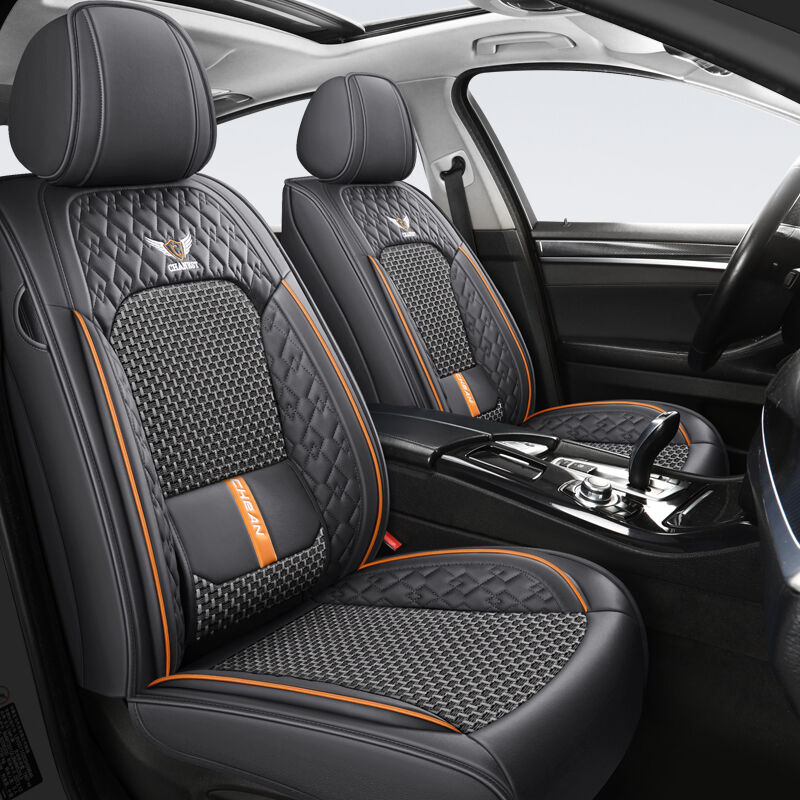
In the world of automotive care and fleet management, car chair covers have moved well beyond their traditional role as simple accessories. Today, they represent a meaningful investment in both vehicle longevity and professional presentation. Whether you own a single personal vehicle, manage a corporate fleet, or run a rideshare business, the condition of your seats tells a story about how much you value your assets and the people who use them. Protecting that investment from the moment a new vehicle hits the road is not just smart maintenance — it is a strategic decision.
The importance of car chair covers becomes especially clear when you consider how much wear, spill damage, UV degradation, and odor accumulation car seats face on a daily basis. From dusty work boots to coffee spills during morning commutes, seats take a constant beating. For businesses that depend on vehicle appearance to communicate brand values, the stakes are even higher. This article explores exactly why car chair covers are essential — not optional — for interior protection and branding purposes.
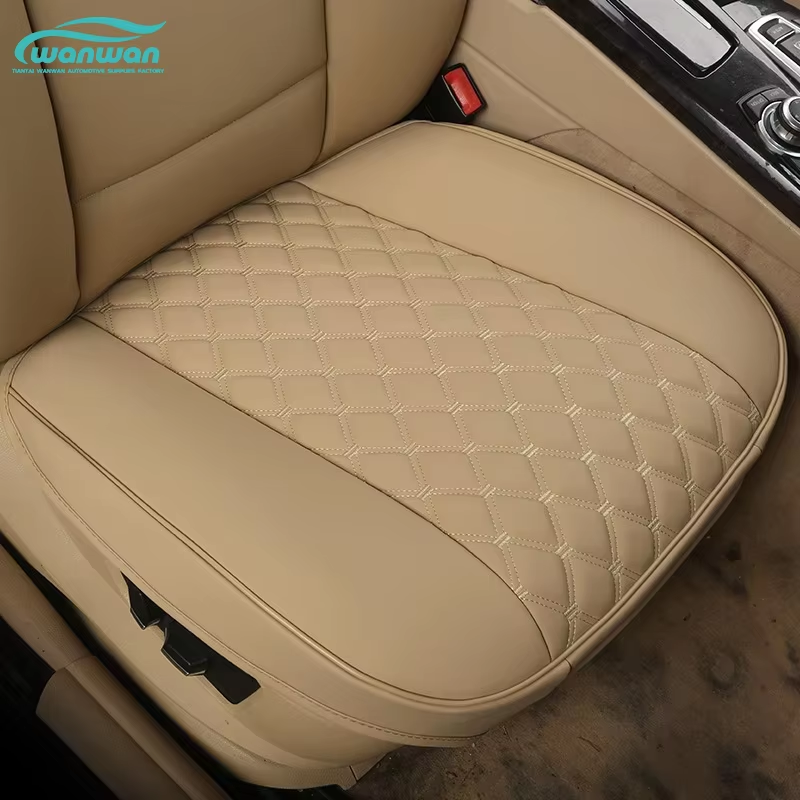
The Real Cost of Unprotected Car Seats
Physical Wear and Tear Over Time
Car seats are engineered to be durable, but they are not indestructible. Without car chair covers, upholstery is exposed to friction, body oils, sweat, and mechanical stress every single day. Leather seating can crack and fade, while fabric seats become matted, stained, and structurally compromised over time. Even minor daily use accelerates this deterioration when there is no protective layer between the seat material and its occupants.
For businesses operating fleets of vehicles — whether taxis, car rentals, corporate transport, or delivery services — seat degradation is a direct financial liability. Reupholstering a set of seats can cost hundreds to thousands of dollars per vehicle. Multiply that across a fleet, and the financial case for using car chair covers becomes undeniable. Prevention is dramatically cheaper than replacement.
Even for individual vehicle owners, degraded seats reduce resale value significantly. A prospective buyer's first impression of a used vehicle's interior can make or break a sale. Seats that look worn, stained, or cracked communicate neglect throughout the vehicle, even if the mechanical components are in excellent condition. Protecting seats from day one preserves resale value in a very tangible way.
Environmental and Chemical Damage
Beyond physical wear, car seats face environmental threats that many vehicle owners underestimate. UV rays streaming through windows cause both fabric and leather to fade, bleach, and become brittle. In hot climates or vehicles parked outdoors regularly, this process can happen within just a few seasons. Car chair covers act as a UV barrier, slowing down this photodegradation significantly.
Chemical exposure is another factor. Sunscreen residues, cleaning products, pet treatments, and even certain synthetic clothing materials can react with seat materials over time. Liquid spills — coffee, soft drinks, food grease — can seep into foam padding and create persistent odors or even mold. A high-quality set of car chair covers provides an easily cleanable barrier that absorbs or repels these threats before they reach the original upholstery.
Car Chair Covers as a Branding and Business Asset
First Impressions in Corporate and Customer-Facing Vehicles
For businesses that use vehicles as part of customer-facing operations, interior appearance is a direct extension of brand identity. When a client steps into a company car, shuttle, or taxi, the quality and cleanliness of the seating immediately communicates professionalism — or the lack of it. Car chair covers that are clean, cohesive in design, and well-fitted signal that a company takes pride in every detail of its operation.
Custom or branded car chair covers take this one step further. Incorporating brand colors, logos, or specific design elements turns every seat into a brand touchpoint. This is particularly effective in rideshare fleets, hotel shuttles, automotive dealership test-drive vehicles, and corporate transportation services. The seat is one of the most intimate points of contact between a passenger and a vehicle — it is an ideal place to reinforce brand recall.
This approach is also increasingly being used in event management and promotional campaigns. Companies deploying vehicles at exhibitions, corporate events, or trade shows can use custom car chair covers to maintain visual brand consistency from the parking lot to the event floor. It is a low-cost, high-visibility branding opportunity that many businesses overlook.
Consistency Across Fleet Vehicles
One of the challenges in managing a vehicle fleet is maintaining a consistent appearance across units that vary in age, mileage, and original seat condition. Car chair covers solve this problem elegantly. By standardizing the seating across all fleet vehicles, companies present a uniform, professional image regardless of the individual vehicle's interior history.
This consistency matters not just aesthetically but also operationally. Drivers and employees who move between different fleet vehicles find it easier to work in environments that feel familiar and standardized. Standardized car chair covers also simplify procurement, laundering, and replacement logistics, since compatible products can be ordered in bulk and rotated systematically.
From a compliance and hygiene standpoint, removable and washable car chair covers make it much easier to maintain sanitation standards — something that has become increasingly important in post-pandemic operational environments. For medical transport, healthcare logistics, and food delivery fleets especially, this is not a minor detail but a genuine operational requirement.
Functional Benefits That Justify the Investment
All-Season Comfort and Protection
Modern car chair covers are engineered with season-specific considerations in mind. In summer, breathable mesh or moisture-wicking materials keep occupants comfortable during long drives in high heat. In winter, plush or insulating materials help retain body warmth, making cold vehicles more comfortable from the moment someone sits down. Choosing the right car chair covers for the operating climate is a practical decision that directly affects occupant comfort and satisfaction.
Beyond temperature regulation, ergonomic car chair covers with added cushioning or lumbar support features can reduce driver fatigue on long hauls. This has direct productivity implications for businesses relying on drivers who spend many hours per day behind the wheel. A more comfortable driver is a more alert and safer driver — an outcome that benefits both the individual and the company.
Universal Fit and Installation Simplicity
One practical concern that has historically limited the adoption of car chair covers is compatibility. Early designs were often vehicle-specific, making procurement complicated and expensive. Today, the market offers high-quality universal-fit car chair covers that accommodate a wide range of vehicle makes and seat configurations. Products with full backrest surround designs offer particularly complete coverage while remaining adaptable across different seat profiles.
Installation simplicity is equally important, especially for fleet managers overseeing large numbers of vehicles. Covers that can be installed and removed quickly — without tools or technical expertise — significantly reduce the labor cost of maintenance and changeover. Well-designed car chair covers use elastic straps, hook loops, and adjustable fits to ensure a secure, snag-free installation that stays in place during normal vehicle use.
This ease of use also enables drivers to remove and wash covers regularly, which is a key part of maintaining interior hygiene and extending the cover's functional lifespan. The simpler the process, the more likely it is to happen consistently — and consistency is what makes car chair covers effective as a long-term protection strategy.
Choosing the Right Car Chair Covers for Your Needs
Material Selection and Durability Factors
The material of car chair covers determines not only their look and feel but also their durability, ease of cleaning, and suitability for specific use cases. Common materials include polyester blends, neoprene, faux leather, velvet, and breathable mesh composites. Each offers different trade-offs between comfort, water resistance, aesthetic appeal, and longevity.
For heavy-duty commercial use — such as taxis, logistics vehicles, or construction fleet cars — neoprene or heavy-duty polyester car chair covers offer the most resilience against abrasion and liquid penetration. For customer-facing luxury transport or corporate vehicles, faux leather or velvet options communicate higher-end quality and comfort. For personal vehicles used in varied climates, all-season universal covers with breathable yet durable composite materials often provide the best overall value.
Stitching quality, seam strength, and UV-resistance treatment are details that separate budget-tier products from genuinely long-lasting car chair covers. When evaluating options, these construction details matter as much as the outer material, since they determine how well the cover holds up under repeated washing and daily stress.
Matching Cover Design to Brand Identity
For businesses, the aesthetic design of car chair covers should align intentionally with the brand's visual language. This means considering color palette, texture, and any opportunity for logo placement or custom embroidery. Even without explicit branding, choosing covers in brand-aligned colors creates a cohesive interior environment that reinforces professionalism.
Companies sourcing car chair covers for large fleets should work with manufacturers or suppliers that offer customization options at reasonable minimum order quantities. Custom designs do not necessarily require large upfront investments, especially as production technology for seat covers has advanced significantly in recent years. The key is to start with a clear visual brief and verify samples before committing to bulk orders.
Ultimately, the most effective car chair covers are those that strike the balance between protection, comfort, and brand alignment — delivering tangible value on all three dimensions simultaneously. This integrated thinking is what separates strategic buyers from those who treat seat covers as afterthoughts.
FAQ
How often should car chair covers be washed or replaced?
For personal vehicles, washing car chair covers every two to four weeks is generally sufficient under normal use. For commercial or fleet vehicles with daily high-traffic use, weekly cleaning is advisable. Replacement frequency depends on material quality and usage intensity, but most well-constructed covers should last one to three years before showing significant wear.
Are universal car chair covers compatible with seats that have built-in airbags?
This is an important safety consideration. Many modern vehicles have side-mounted seat airbags integrated into the seat. Quality car chair covers designed for universal fit are typically engineered with split seams or airbag-compatible zones that allow airbags to deploy correctly. Always verify airbag compatibility specifications before purchasing covers for vehicles with side airbags.
Can car chair covers actually improve resale value?
Yes, consistently using car chair covers throughout a vehicle's life can meaningfully preserve the condition of the original upholstery. When it comes time to sell, pristine original seats are a genuine selling point that can justify a higher asking price and reduce negotiation leverage for buyers. The cost of quality covers is typically a fraction of the resale value they help protect.
What is the difference between a full-coverage and standard car chair cover?
Full-coverage car chair covers — such as those with full backrest surround designs — protect not just the seat surface but also the sides and back of the seat. This offers more comprehensive protection, especially important in commercial settings where passengers frequently brush against seat sides during entry and exit. Standard covers protect only the primary seating surface, which may be sufficient for lower-intensity personal use but leaves side panels vulnerable to scuffs and stains.