 EN
EN

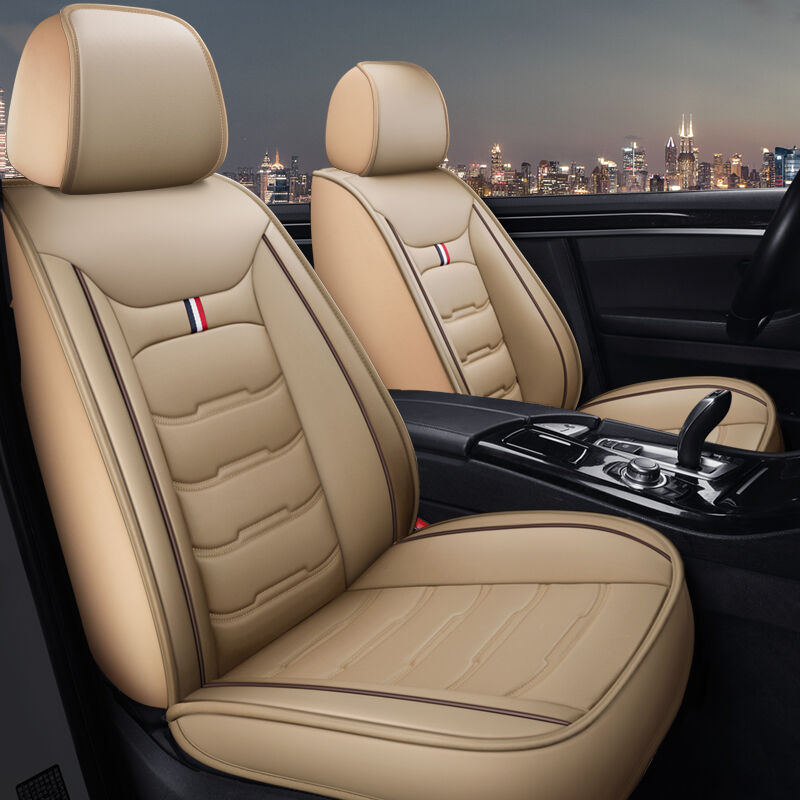
When investing in car seat covers, understanding the quality standards these essential automotive accessories must meet ensures you make an informed purchase that provides lasting value. Quality car seat covers serve as protective barriers against wear, spills, and environmental factors while maintaining the aesthetic appeal of your vehicle's interior. The automotive aftermarket industry has established comprehensive quality benchmarks that reputable manufacturers must adhere to when producing these protective coverings.
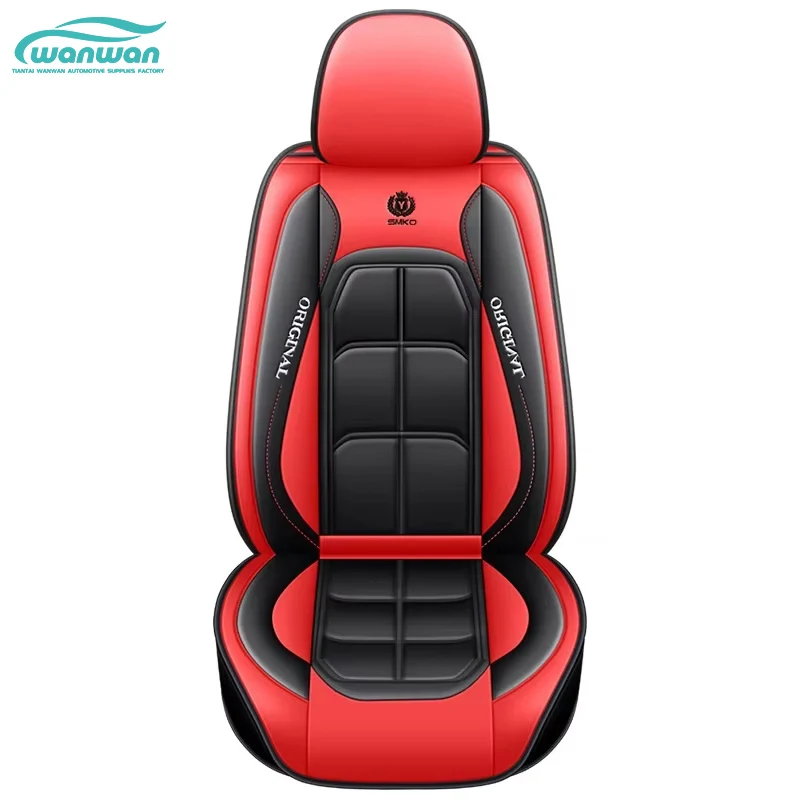
Premium car seat covers undergo rigorous testing procedures to ensure they meet industry-specific durability requirements. These protective accessories must withstand daily use, temperature fluctuations, and exposure to various environmental conditions without compromising their structural integrity. Manufacturing standards encompass material composition, stitching quality, color fastness, and dimensional accuracy to guarantee consistent performance across different vehicle models.
Material Composition and Safety Standards
Fire Resistance Requirements
Quality car seat covers must comply with automotive fire safety regulations, particularly the Federal Motor Vehicle Safety Standard (FMVSS) 302, which governs flammability characteristics of interior materials. This standard requires that seat covering materials burn at a rate no faster than 4 inches per minute when exposed to a controlled flame. Manufacturers conduct extensive flame tests on their products to ensure compliance with these critical safety requirements.
Materials used in premium seat covers typically incorporate flame-retardant properties through chemical treatments or inherent fiber characteristics. Synthetic materials like polyester and nylon often provide superior fire resistance compared to natural fibers, making them preferred choices for safety-conscious consumers. The flame resistance testing process involves exposing material samples to controlled ignition sources under standardized laboratory conditions.
Chemical Composition Standards
Modern automotive regulations restrict the use of harmful chemicals in interior components, including seat covers. Quality standards mandate that materials be free from volatile organic compounds (VOCs), heavy metals like lead and mercury, and other potentially hazardous substances. Manufacturers must provide detailed chemical composition documentation and undergo third-party testing to verify compliance with environmental and health safety standards.
The GREENGUARD certification program evaluates seat cover materials for low chemical emissions, ensuring indoor air quality remains uncompromised. Products meeting these stringent requirements demonstrate minimal off-gassing characteristics, making them suitable for extended exposure in enclosed vehicle environments. This certification process involves comprehensive laboratory analysis of emission levels over extended periods.
Durability and Performance Standards
Abrasion Resistance Testing
Quality car seat covers must withstand continuous friction from occupants entering, exiting, and adjusting seating positions. Industry standards require materials to pass Martindale abrasion tests, which simulate thousands of rubbing cycles to evaluate surface wear characteristics. Premium covers typically achieve ratings of 50,000 to 100,000 rubs without showing significant degradation.
The abrasion testing process involves mounting fabric samples on specialized equipment that applies controlled pressure and movement patterns. Materials that fail to meet minimum abrasion thresholds may experience premature pilling, thread breakage, or surface deterioration under normal usage conditions. High-quality synthetic leather and woven fabrics generally demonstrate superior abrasion resistance compared to lower-grade alternatives.
Color Fastness and UV Stability
Automotive seat covers face constant exposure to sunlight, making color fastness and UV stability critical quality indicators. Testing standards require materials to maintain color integrity when subjected to accelerated weathering conditions that simulate years of sun exposure. The ASTM D4329 standard governs UV testing procedures for automotive textiles, ensuring colors remain vibrant throughout the product's service life.
Premium car seat covers incorporate UV-resistant dyes and stabilizing agents that prevent fading, cracking, and material degradation from prolonged sun exposure. Manufacturers conduct extensive lightfastness testing using xenon arc lamps that replicate solar radiation conditions. Products achieving high color fastness ratings maintain their appearance and structural properties even after extended outdoor parking exposure.
Installation and Fit Requirements
Universal Compatibility Standards
Quality seat covers must accommodate diverse vehicle seat configurations while maintaining proper airbag compatibility. Industry standards require covers to feature reinforced stitching at stress points and precise cutouts for seat-mounted airbag systems. The installation process should not compromise vehicle safety features or interfere with seat adjustment mechanisms.
Manufacturing specifications include detailed dimensional tolerances to ensure proper fit across different seat styles, from bucket seats to bench configurations. Quality covers incorporate adjustable strapping systems and elastic panels that conform to various seat shapes without creating loose areas or bunching. The installation hardware must withstand repeated removal and reinstallation without degrading or losing retention capability.
Airbag Integration Safety
Modern vehicles rely on seat-mounted side airbags for occupant protection, requiring seat covers to incorporate tear-away panels that allow rapid airbag deployment. Quality standards mandate that these breakaway seams meet specific force requirements, ensuring they separate cleanly during airbag activation without impeding inflation or creating dangerous debris.
Testing procedures simulate airbag deployment conditions to verify that seat covers do not interfere with safety system operation. Premium products feature specially designed tear seams using predetermined failure patterns that activate within milliseconds of airbag deployment. Manufacturers must provide documentation proving their products have undergone rigorous airbag compatibility testing.
Environmental and Maintenance Standards
Moisture and Stain Resistance
Quality car seat covers incorporate protective treatments that resist liquid penetration and facilitate easy cleaning. Industry standards evaluate materials using standardized spill tests involving common automotive contaminants like coffee, oil, and cleaning products. Premium covers achieve high resistance ratings while maintaining breathability for occupant comfort.
Water-resistant treatments must maintain effectiveness through multiple washing cycles without compromising the material's tactile properties or appearance. Testing protocols subject treated materials to repeated exposure and cleaning cycles to verify long-term performance. Quality covers balance liquid resistance with vapor permeability to prevent moisture buildup that could lead to odor or mildew development.
Temperature Resistance and Dimensional Stability
Automotive interiors experience extreme temperature variations, from sub-zero winter conditions to scorching summer heat exceeding 150°F. Quality seat covers must maintain dimensional stability and material properties across this entire temperature range without shrinking, expanding, or becoming brittle.
Thermal cycling tests subject materials to repeated temperature extremes while monitoring dimensional changes and mechanical properties. Premium products demonstrate minimal thermal expansion and retain flexibility at low temperatures while resisting heat-induced degradation during extended high-temperature exposure. These characteristics ensure consistent fit and performance regardless of climate conditions.
Manufacturing Quality Control
Stitching and Construction Standards
Superior car seat covers require precise stitching patterns that distribute stress evenly across seam lines. Quality standards specify minimum thread tensile strength, stitch density, and seam allowances to ensure structural integrity under normal usage conditions. Premium products feature reinforced stitching at high-stress areas like seat bolsters and adjustment points.
Manufacturing quality control procedures include individual inspection of seam construction, thread quality, and pattern alignment. Advanced producers employ automated stitching systems that maintain consistent tension and spacing throughout the production process. Quality covers demonstrate no loose threads, skipped stitches, or irregular seam patterns that could indicate manufacturing defects.
Packaging and Shipping Protection
Quality manufacturers implement protective packaging systems that prevent damage during shipping and storage. Products must arrive without wrinkles, compression marks, or contamination that could affect appearance or performance. Packaging materials should be environmentally responsible while providing adequate protection for the enclosed seat covers.
Storage requirements ensure that materials maintain their properties during extended warehouse periods without developing odors, discoloration, or structural changes. Quality control procedures verify that packaging integrity prevents moisture infiltration and contamination from external sources throughout the distribution chain.
Certification and Compliance Standards
Industry Certification Requirements
Reputable seat cover manufacturers obtain certification from recognized automotive testing organizations to verify compliance with established quality standards. These certifications provide third-party validation of product performance characteristics and manufacturing quality control procedures. Common certifications include ISO 9001 quality management systems and automotive-specific standards like TS 16949.
Certification processes involve comprehensive facility audits, product testing verification, and ongoing quality monitoring to ensure consistent compliance. Manufacturers must maintain detailed documentation of their quality control procedures and testing results to support their certification status. This documentation provides consumers with confidence in product reliability and performance.
Warranty and Performance Guarantees
Quality seat cover manufacturers stand behind their products with comprehensive warranty coverage that addresses material defects, premature wear, and color fading issues. Warranty terms typically range from one to five years depending on the product grade and intended application. Premium products often include pro-rated coverage that acknowledges normal wear while protecting against premature failure.
Warranty documentation should clearly specify coverage limitations, maintenance requirements, and claim procedures to ensure customer understanding. Quality manufacturers maintain customer service departments equipped to handle warranty claims promptly and fairly. The warranty terms serve as indicators of manufacturer confidence in their product quality and durability.
FAQ
How do I verify that car seat covers meet safety standards
Look for documentation indicating compliance with FMVSS 302 fire safety standards and verify that the product includes proper airbag compatibility features. Reputable manufacturers provide certification documents and testing results that demonstrate compliance with automotive safety requirements. Check for product labels indicating flame resistance ratings and airbag-compatible design features.
What materials provide the best durability for car seat covers
High-quality synthetic materials like polyester blends, nylon, and synthetic leather typically offer superior durability compared to natural fibers. These materials resist fading, provide excellent abrasion resistance, and maintain their properties under extreme temperature conditions. Look for products with Martindale abrasion ratings above 50,000 rubs for optimal longevity.
Are universal car seat covers as effective as custom-fit options
Quality universal seat covers can provide effective protection when properly designed with adjustable features and comprehensive coverage patterns. However, custom-fit options typically offer superior appearance and protection by conforming precisely to specific seat contours. Both options can meet quality standards when manufactured by reputable companies using appropriate materials and construction techniques.
How often should car seat covers be replaced to maintain quality protection
High-quality car seat covers typically provide effective protection for three to five years under normal usage conditions, depending on exposure levels and maintenance practices. Signs indicating replacement needs include visible wear patterns, color fading, loose stitching, or compromised water resistance. Regular cleaning and proper installation can extend service life while maintaining protective effectiveness.