 EN
EN

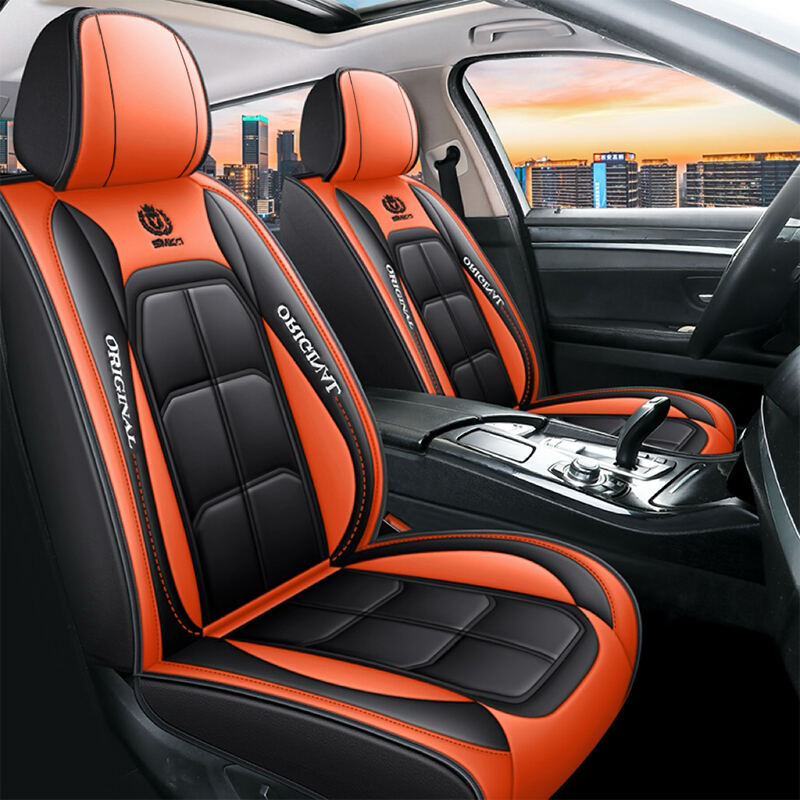
When it comes to protecting and enhancing your vehicle's interior, selecting the right seat covers for cars requires careful evaluation of multiple factors. Modern automotive accessories have evolved significantly, with manufacturers offering diverse materials, designs, and functionality options to meet varying consumer needs. Understanding the key considerations before making a purchase decision can save both time and money while ensuring optimal satisfaction with your investment. The automotive aftermarket industry continues to expand, with seat protection solutions becoming increasingly sophisticated in terms of durability, aesthetics, and user-friendly installation processes.
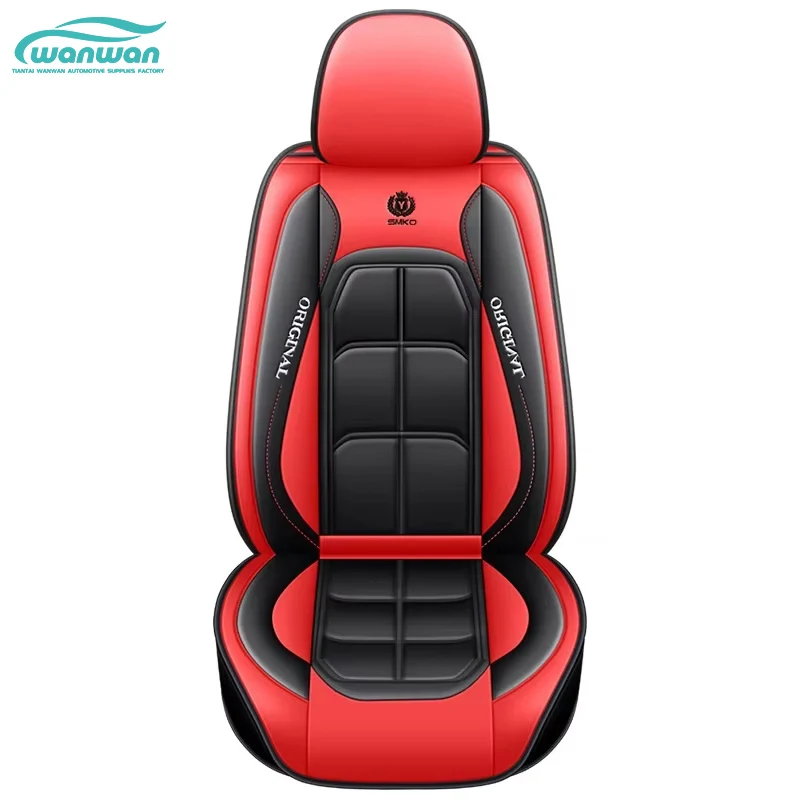
Material Selection and Durability Assessment
Leather versus Synthetic Options
Genuine leather represents the premium choice for automotive seat protection, offering exceptional longevity and luxurious appeal that many vehicle owners desire. High-quality leather covers develop an attractive patina over time while maintaining structural integrity through years of regular use. However, synthetic leather alternatives have advanced considerably, providing similar aesthetic qualities at more accessible price points. These engineered materials often feature enhanced stain resistance and easier maintenance requirements compared to traditional leather options.
Contemporary synthetic materials incorporate advanced manufacturing techniques that replicate the texture and appearance of genuine leather while offering superior performance characteristics. Many synthetic options provide better resistance to UV radiation, preventing fading and cracking that can occur with natural materials. Additionally, synthetic leather typically requires less specialized care, making it an attractive option for busy vehicle owners who prioritize convenience alongside protection.
Fabric Construction and Breathability
The underlying construction of seat covers for cars significantly impacts both comfort and longevity, with fabric density and weaving patterns playing crucial roles in performance. High-thread-count materials generally provide better durability and resistance to wear, while maintaining appropriate breathability for passenger comfort. Mesh inserts and perforated designs enhance air circulation, preventing moisture buildup and reducing discomfort during extended driving periods.
Moisture-wicking technologies integrated into modern seat cover fabrics help maintain optimal temperature regulation and prevent bacterial growth. These advanced textiles draw perspiration away from contact surfaces while allowing air circulation to occur naturally. Such features prove particularly beneficial in warmer climates or for vehicles used extensively for commercial purposes where extended sitting periods are common.
Compatibility and Installation Requirements
Vehicle-Specific Fit Considerations
Achieving proper fitment requires careful attention to seat dimensions, contours, and integrated features such as side airbags and heating elements. Universal covers may offer cost advantages, but custom-fitted options typically provide superior appearance and functionality. Manufacturers increasingly offer semi-custom solutions that balance affordability with improved fit compared to completely generic alternatives.
Modern vehicles incorporate sophisticated safety systems that must remain functional after cover installation, including side-impact airbags and seat sensors. Quality seat covers feature strategically placed breakaway seams and compatible materials that allow proper airbag deployment without compromising passenger safety. Researching these compatibility factors before purchase prevents potential safety issues and ensures full vehicle functionality retention.
Installation Process and Hardware
Professional-grade seat covers typically include comprehensive hardware packages with straps, hooks, and elastic bands designed for secure attachment. The installation complexity varies significantly between different cover styles, with some requiring tools while others feature tool-free attachment systems. Evaluating installation requirements beforehand helps determine whether professional installation might be necessary or if self-installation is feasible.
Detailed instruction manuals and video guides have become standard accompaniments to quality seat cover products, helping consumers achieve professional-looking results through DIY installation. Many manufacturers now provide customer support services to assist with installation challenges, recognizing that proper fitment directly impacts customer satisfaction and product performance.
Functional Features and Performance Benefits
Protection Against Wear and Environmental Factors
Quality automotive seat protection extends original upholstery lifespan by shielding against daily wear, spills, UV damage, and pet-related damage. Professional-grade covers incorporate waterproof or water-resistant barriers that prevent liquid penetration while maintaining surface breathability. This dual functionality proves essential for families with children, pet owners, or individuals who frequently transport potentially messy cargo.
Advanced seat covers now feature stain-resistant treatments and antimicrobial properties that actively combat odor-causing bacteria and maintain hygienic conditions. These technological enhancements reduce cleaning frequency requirements while preserving the fresh appearance and smell of vehicle interiors over extended periods.
Climate Control and Comfort Enhancement
Thermal regulation capabilities have become increasingly important in modern seat covers for cars, with specialized materials designed to maintain comfortable surface temperatures regardless of external conditions. Memory foam padding and gel-infused layers provide enhanced comfort during long drives while distributing body weight more evenly across seat surfaces.
Cooling technologies integrated into premium seat covers help regulate body temperature through improved air circulation and heat-dissipating materials. These features prove particularly valuable in warmer climates where traditional upholstery materials can become uncomfortably hot when exposed to direct sunlight for extended periods.
Design Aesthetics and Customization Options
Color Coordination and Interior Harmony
Selecting appropriate colors and patterns requires consideration of existing interior elements including dashboard materials, carpet colors, and accent trim pieces. Neutral tones offer versatility and timeless appeal, while bold colors can create striking focal points or reflect personal style preferences. Many manufacturers provide color-matching services or extensive color palettes to accommodate diverse aesthetic preferences.
Contemporary design trends favor clean lines and minimalist aesthetics that complement modern vehicle interiors without appearing aftermarket or intrusive. Premium covers often feature subtle stitching details and embossed patterns that enhance visual appeal while maintaining professional appearance standards suitable for business or luxury vehicle applications.
Branding and Personalization Features
Custom embroidery options allow vehicle owners to incorporate personal logos, monograms, or decorative elements that reflect individual personality or business branding requirements. These personalization features transform functional accessories into unique design statements while maintaining practical benefits.
Professional embroidery services ensure high-quality results that withstand regular use and cleaning cycles without compromising appearance or structural integrity. Many suppliers offer design consultation services to help customers create custom graphics that complement their vehicle's overall aesthetic theme.
Cost Analysis and Value Assessment
Initial Investment versus Long-term Benefits
While premium seat covers require higher initial investment, they often provide superior durability and performance characteristics that justify the additional expense over time. Calculating total cost of ownership includes factors such as replacement frequency, cleaning requirements, and resale value preservation for the underlying vehicle seats.
Budget-conscious consumers should consider the potential costs of professional upholstery repair or replacement that quality seat covers can prevent. Original equipment upholstery replacement typically costs significantly more than investing in protective covers, making them a financially prudent choice for most vehicle owners.
Warranty Coverage and Manufacturer Support
Comprehensive warranty programs reflect manufacturer confidence in product quality and provide consumers with protection against defects or premature wear. Extended warranty options may cover installation services, replacement components, or even full product replacement under specific circumstances.
Reputable manufacturers maintain customer service departments equipped to handle installation questions, warranty claims, and product recommendations based on specific vehicle requirements. This ongoing support relationship adds significant value beyond the initial purchase transaction and contributes to overall customer satisfaction levels.
FAQ
How do I determine the correct size for my vehicle's seats
Measuring your vehicle's seats accurately requires attention to width, height, and depth dimensions for both front and rear seating areas. Most manufacturers provide detailed sizing charts that correspond to specific vehicle makes and models, eliminating guesswork from the selection process. When in doubt, contacting customer service with your vehicle's year, make, and model ensures proper fitment recommendations.
Can seat covers interfere with airbag deployment
Quality seat covers designed for modern vehicles incorporate breakaway seams and compatible materials that allow proper airbag function during emergency deployment. Always verify that covers are specifically designed for vehicles equipped with side-impact airbags and avoid products that don't address this critical safety consideration. Reputable manufacturers clearly indicate airbag compatibility in their product specifications.
What maintenance is required to keep seat covers in good condition
Regular maintenance typically involves vacuuming to remove debris, spot cleaning spills promptly, and periodic deep cleaning according to manufacturer recommendations. Different materials require specific care approaches, with leather covers needing conditioning treatments while synthetic options may only require mild soap and water cleaning. Following care instructions extends cover lifespan and maintains appearance quality.
Are universal seat covers as effective as custom-fitted options
Universal covers offer cost advantages and broad compatibility but may not provide the precise fit and appearance of custom options. Semi-custom covers represent a middle ground, offering improved fit over universal designs while remaining more affordable than fully custom solutions. The best choice depends on individual priorities regarding budget, appearance, and protection level requirements.