 EN
EN

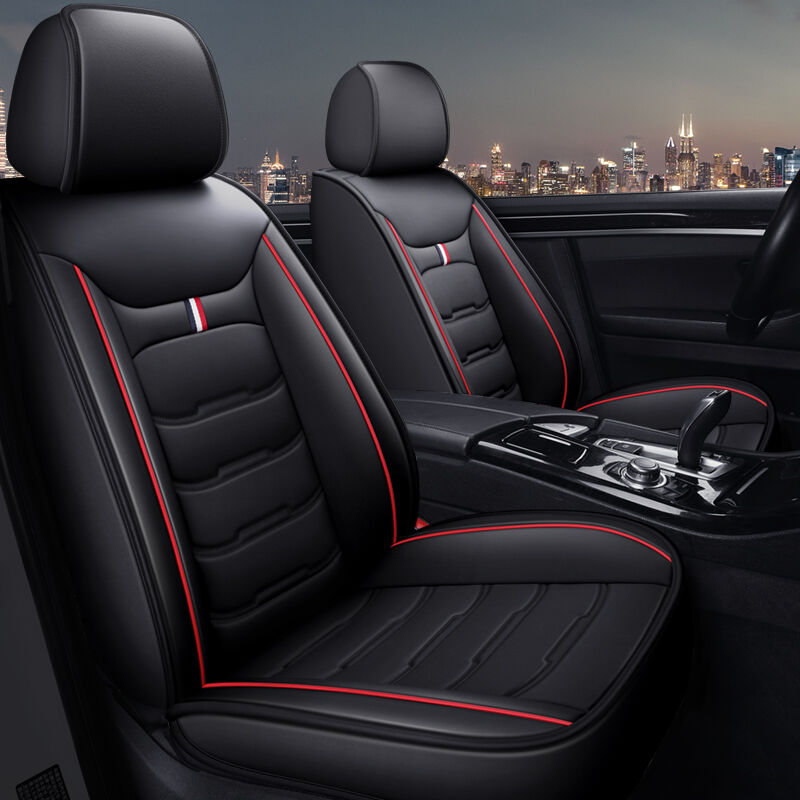
Finding reliable seat cover car manufacturers for your export business requires a strategic approach that combines thorough research, careful evaluation, and systematic verification processes. The success of your export venture depends heavily on establishing partnerships with manufacturers who can consistently deliver quality products, meet international standards, and maintain reliable production schedules. Understanding the key criteria and methodologies for identifying trustworthy seat cover car manufacturers will significantly impact your business profitability and long-term sustainability in the competitive global automotive accessories market.
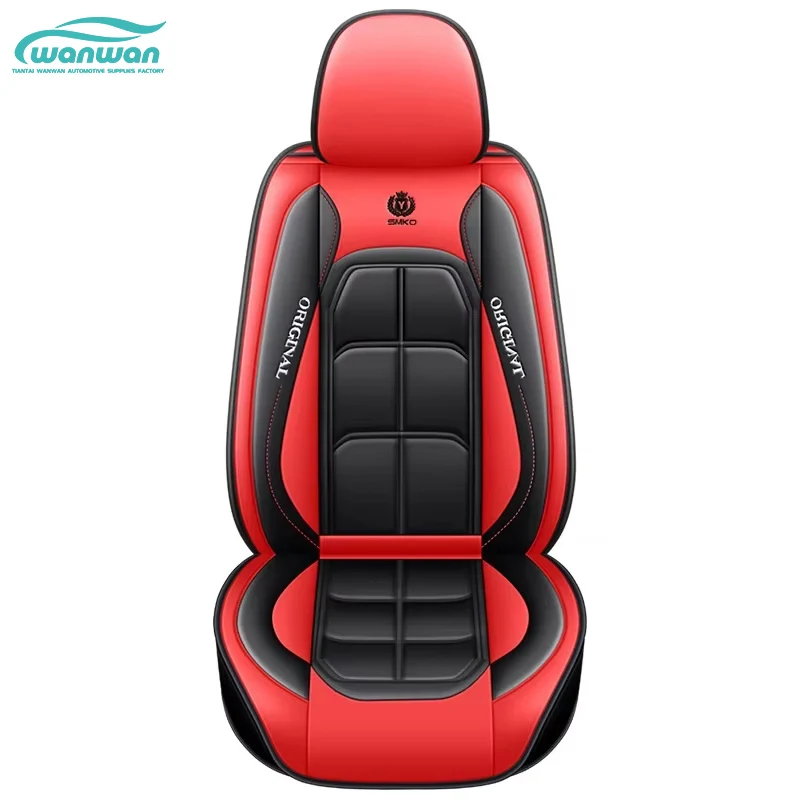
The automotive accessories export industry presents substantial opportunities, but success hinges on your ability to identify and partner with manufacturers who demonstrate consistent quality control, competitive pricing, and reliable delivery capabilities. This comprehensive approach to manufacturer selection involves evaluating production capabilities, certifications, financial stability, and communication effectiveness to build a sustainable supply chain that meets your export market demands and customer expectations.
Essential Criteria for Evaluating Manufacturing Capabilities
Production Capacity and Scalability Assessment
When searching for seat cover car manufacturers, production capacity evaluation forms the foundation of your selection process. Assess the manufacturer's current production volume, machinery capabilities, and workforce size to determine whether they can meet your projected order quantities without compromising quality or delivery timelines. Request detailed information about their manufacturing lines, daily production rates, and peak capacity utilization to understand their ability to handle both regular orders and seasonal demand fluctuations.
Scalability represents another critical factor when evaluating seat cover car manufacturers for export partnerships. Examine their facility expansion plans, equipment upgrade schedules, and workforce development strategies to ensure they can grow alongside your business requirements. Manufacturers with documented expansion capabilities and flexible production systems demonstrate their commitment to long-term partnerships and their ability to adapt to changing market demands in your target export regions.
The technology integration level within manufacturing facilities significantly impacts product consistency and production efficiency. Modern seat cover car manufacturers should utilize computerized cutting systems, automated stitching equipment, and quality control monitoring systems to maintain consistent product specifications. Evaluate their investment in technology upgrades and their adoption of industry-standard manufacturing processes to ensure they can meet international quality expectations and maintain competitive production costs.
Quality Control Systems and Standards Compliance
Quality control systems implementation distinguishes reliable seat cover car manufacturers from less dependable suppliers in the global marketplace. Investigate their quality assurance protocols, testing procedures, and defect management systems to understand how they maintain consistent product quality across large production runs. Manufacturers should demonstrate systematic quality checkpoints throughout their production process, from raw material inspection to final product testing and packaging verification.
International certification compliance becomes essential when selecting seat cover car manufacturers for export business, as different markets maintain varying safety and quality requirements. Verify their ISO certifications, automotive industry standards compliance, and specific regional certifications relevant to your target export markets. Manufacturers with established certification programs demonstrate their commitment to quality standards and their ability to meet international regulatory requirements consistently.
Documentation and traceability systems enable effective quality management and customer service support throughout the export process. Reliable manufacturers maintain detailed production records, batch tracking systems, and quality test documentation that facilitate problem resolution and continuous improvement initiatives. These systems also support warranty claims processing and provide essential documentation for customs clearance and regulatory compliance in international markets.
Financial Stability and Business Credibility Verification
Financial Health Assessment Methods
Financial stability evaluation protects your export business from supply chain disruptions caused by manufacturer financial difficulties or business closures. Request financial statements, credit ratings, and bank references to assess the manufacturer's financial position and their ability to maintain operations during economic fluctuations. Seat cover car manufacturers with strong financial foundations demonstrate lower risk profiles and greater reliability for long-term partnership development.
Payment terms and credit policies reflect the manufacturer's financial confidence and business practices. Established seat cover car manufacturers typically offer reasonable payment terms and demonstrate flexibility in credit arrangements based on order volume and partnership duration. Evaluate their payment requirements, credit policies, and financial transaction procedures to ensure compatibility with your export business cash flow requirements and international payment methods.
Business insurance coverage and liability protection provide additional security measures for export partnerships with manufacturing suppliers. Verify their product liability insurance, business interruption coverage, and export-related insurance policies to understand their risk management approach and protection levels. Manufacturers with comprehensive insurance coverage demonstrate professional business practices and provide additional protection for your export operations.
Market Reputation and Customer References
Market reputation research involves investigating the manufacturer's standing within the automotive accessories industry and their track record with international customers. Contact existing customers, review industry publications, and examine trade show participation to gather insights about their business practices, product quality, and customer service performance. Reputable seat cover car manufacturers maintain positive relationships with customers and demonstrate consistent performance across multiple market segments.
Customer reference verification provides direct insights into the manufacturer's performance capabilities and partnership quality. Request contact information for current export customers and conduct detailed interviews about their experiences with product quality, delivery reliability, communication effectiveness, and problem resolution capabilities. These references offer valuable perspectives on the manufacturer's suitability for your specific export market requirements and business objectives.
Industry certifications and awards recognition indicate the manufacturer's commitment to excellence and their standing within the automotive accessories sector. Research their participation in industry associations, quality awards received, and recognition from trade organizations to assess their professional reputation. Seat cover car manufacturers with industry recognition demonstrate their commitment to quality improvement and professional development within the automotive accessories manufacturing sector.
Communication and Service Capabilities Assessment
Language Proficiency and Cultural Understanding
Language capabilities significantly impact the effectiveness of international business relationships with seat cover car manufacturers. Evaluate their English proficiency levels, availability of multilingual staff, and cultural understanding of your target export markets to ensure smooth communication throughout the partnership. Manufacturers with strong communication capabilities reduce misunderstandings, facilitate problem resolution, and support effective collaboration on product development and market expansion initiatives.
Time zone compatibility and communication responsiveness affect the efficiency of international business operations and customer service delivery. Assess their communication protocols, response time commitments, and availability during your business hours to ensure adequate support for urgent issues and routine business communications. Reliable seat cover car manufacturers establish clear communication schedules and maintain consistent availability for international partners across different time zones.
Technical documentation capabilities enable effective product specification communication and quality assurance processes. Evaluate their ability to provide detailed technical drawings, material specifications, and quality certificates in appropriate languages and formats for your export markets. Manufacturers with strong documentation capabilities support customs clearance processes, regulatory compliance, and customer technical support requirements in international markets.
Customer Service and Support Infrastructure
Customer service infrastructure evaluation reveals the manufacturer's commitment to ongoing partnership support and problem resolution capabilities. Investigate their customer service team structure, support processes, and escalation procedures to understand how they handle customer inquiries, complaints, and technical support requests. Established seat cover car manufacturers maintain dedicated customer service teams with expertise in international business practices and export market requirements.
After-sales support capabilities become crucial when dealing with warranty claims, product issues, or customer satisfaction concerns in international markets. Assess their warranty policies, replacement part availability, and technical support procedures to ensure adequate support for your export customers. Manufacturers with comprehensive after-sales support demonstrate their commitment to customer satisfaction and long-term partnership success.
Training and education support helps export partners understand product features, installation procedures, and maintenance requirements for effective customer service delivery. Evaluate their training materials, technical support resources, and educational program availability to support your sales and customer service teams. Seat cover car manufacturers who provide comprehensive training support enable more effective marketing and customer service delivery in international markets.
Supply Chain Management and Logistics Coordination
Raw Material Sourcing and Inventory Management
Raw material sourcing strategies directly impact product quality, cost stability, and delivery reliability from seat cover car manufacturers. Investigate their supplier relationships, material quality standards, and inventory management systems to understand their supply chain stability and risk management capabilities. Manufacturers with diversified supplier networks and strategic inventory management demonstrate greater resilience against supply disruptions and material cost fluctuations.
Inventory management systems enable manufacturers to maintain consistent product availability and minimize delivery delays for export orders. Evaluate their inventory tracking systems, safety stock policies, and demand forecasting capabilities to assess their ability to meet your order requirements consistently. Effective inventory management by seat cover car manufacturers reduces lead times, minimizes stockouts, and supports reliable delivery schedules for international customers.
Material quality verification processes ensure consistent product specifications and performance characteristics across production batches. Examine their incoming material inspection procedures, supplier quality requirements, and material testing protocols to understand their quality assurance approach. Manufacturers with rigorous material quality control maintain consistent product quality and minimize defects that could impact customer satisfaction in export markets.
Shipping and Export Documentation Expertise
Export documentation expertise simplifies international shipping processes and ensures compliance with customs regulations in various markets. Assess their experience with export procedures, documentation accuracy, and customs clearance support to minimize shipping delays and complications. Experienced seat cover car manufacturers understand international shipping requirements and provide accurate documentation that facilitates smooth customs processing in destination countries.
Shipping coordination capabilities affect delivery reliability and cost management for international orders. Evaluate their relationships with freight forwarders, shipping options availability, and logistics coordination experience to ensure efficient delivery to your target markets. Manufacturers with established logistics partnerships can offer competitive shipping rates, reliable delivery schedules, and effective tracking systems for international shipments.
Packaging optimization for international shipping protects products during transportation and minimizes shipping costs through efficient space utilization. Investigate their packaging design capabilities, protective material usage, and container loading optimization to ensure products arrive in excellent condition while maintaining cost efficiency. Professional packaging by seat cover car manufacturers reduces damage rates and shipping costs while enhancing product presentation for retail customers.
FAQ
What certifications should reliable seat cover car manufacturers possess for export business?
Reliable seat cover car manufacturers should possess ISO 9001 quality management certification, automotive industry specific certifications such as IATF 16949, and relevant safety certifications for their target export markets. Additionally, they should maintain environmental certifications like ISO 14001 and specific regional certifications required by destination countries, such as CE marking for European markets or DOT compliance for North American markets. These certifications demonstrate their commitment to quality standards and regulatory compliance essential for international trade.
How can I verify the production capacity claims of potential manufacturing partners?
Verify production capacity claims through factory visits, third-party audits, and reference checks with existing customers who place similar order volumes. Request detailed production records, machinery specifications, and workforce documentation to assess actual capacity versus claimed capacity. Additionally, conduct trial orders or sample production runs to evaluate their ability to meet quality standards while maintaining promised delivery schedules, and review their capacity utilization reports and expansion plans to understand their realistic production capabilities.
What red flags should I watch for when evaluating seat cover car manufacturers?
Key red flags include reluctance to provide customer references, lack of proper certifications or documentation, inconsistent communication patterns, and unrealistic pricing that seems too good to be true. Be cautious of manufacturers who cannot provide factory tours, lack proper export experience, have limited financial transparency, or demonstrate poor quality control systems. Additionally, watch for companies with frequent management changes, limited technology investment, or negative feedback from industry sources and existing customers.
How long should the evaluation process take before selecting a manufacturing partner?
The evaluation process for selecting seat cover car manufacturers typically takes 2-3 months for comprehensive assessment, including initial research, factory visits, sample testing, reference verification, and contract negotiation. This timeline allows adequate time for multiple rounds of communication, sample production and testing, financial verification, and trial order placement. Rushing the selection process increases the risk of choosing unsuitable partners, while thorough evaluation ensures better long-term partnership success and reduced business risks in your export operations.
Table of Contents
- Essential Criteria for Evaluating Manufacturing Capabilities
- Financial Stability and Business Credibility Verification
- Communication and Service Capabilities Assessment
- Supply Chain Management and Logistics Coordination
-
FAQ
- What certifications should reliable seat cover car manufacturers possess for export business?
- How can I verify the production capacity claims of potential manufacturing partners?
- What red flags should I watch for when evaluating seat cover car manufacturers?
- How long should the evaluation process take before selecting a manufacturing partner?